
地震预警

Search documents
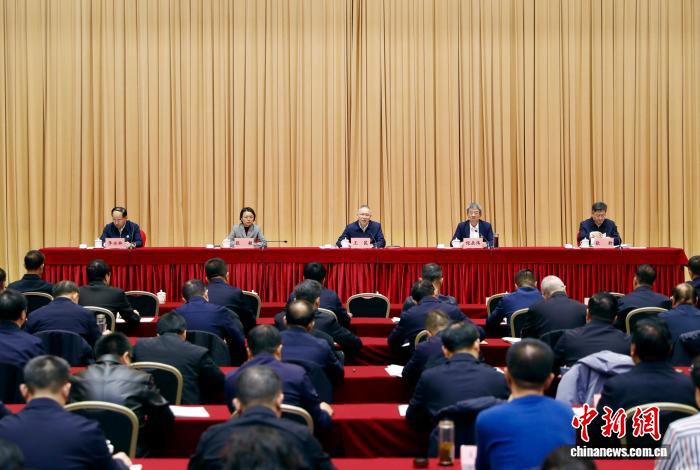
中国地震局:加快推进预警能力转化为减灾能力
Zhong Guo Xin Wen Wang· 2026-01-08 12:04
Core Viewpoint - The China Earthquake Administration emphasizes the acceleration of transforming early warning capabilities into disaster reduction capabilities as a key focus for 2026 [1]. Group 1: Early Warning System Development - Since the 14th Five-Year Plan, the Chinese earthquake system has established the world's largest early warning network, with over 240 million users and 300 warnings issued in 2025, serving over 18 million people [2]. - The 2026 work priorities include high-quality planning, effective response preparation for major earthquakes, enhancing public earthquake safety awareness, and implementing AI and data governance [2][3]. Group 2: Public Engagement and Service Optimization - The report highlights the need to improve public utilization of early warning information, enhance services in crowded places, and expand coverage to various emergency scenarios [2]. - Customized services for key industries will be optimized, with applications in traditional sectors like schools and high-speed rail, as well as new fields such as precision manufacturing and quantum information [2]. Group 3: Technological Innovation and Collaboration - Continuous development of technology and the establishment of innovative teams are essential, with a focus on collaborative innovation among industry, academia, and research [2]. - The report stresses the importance of expanding the testing range for pervasive earthquake warning technologies and extending monitoring capabilities [2]. Group 4: Disaster Preparedness and Response - The administration aims to enhance disaster preparedness by closely monitoring seismic activity, implementing a strict evaluation and reporting system, and ensuring the stability of monitoring networks [5]. - The report outlines the need for a comprehensive approach to disaster response, including the integration of new technologies and the establishment of a marine earthquake monitoring system [5]. Group 5: Strengthening Earthquake Resilience - Efforts will be made to improve earthquake safety resilience through better management of seismic design requirements and the establishment of risk assessment frameworks in key regions [6]. - The report mentions the importance of conducting lifecycle assessments for major engineering projects to enhance their earthquake resilience [6]. Group 6: Legal and Regulatory Framework - The administration plans to revise earthquake disaster prevention laws and develop regulations for earthquake warning management [7]. - Collaboration with key industry departments will be strengthened to ensure local responsibilities for earthquake disaster prevention are met [7]. Group 7: Achievements and Future Goals - In 2025, significant achievements included 226 emergency responses, international recognition for earthquake rescue efforts, and over 1,000 major engineering seismic safety requirements established [7]. - The report also highlights the construction progress of the China Earthquake Science Experimental Field and the establishment of the first international earthquake scientific research organization initiated by China [7].

台湾6.6级地震,福建为何震感明显?地震局最新研判
Xin Lang Cai Jing· 2025-12-28 11:11
Core Viewpoint - A 6.6 magnitude earthquake occurred off the coast of Yilan County, Taiwan, on December 27, causing strong tremors felt in several provinces in China, including Fujian, Guangdong, and Zhejiang. The earthquake is attributed to the collision of the Philippine Sea Plate and the Eurasian Plate, and while it is within the normal frequency range for seismic activity, there is a possibility of future earthquakes of magnitude 5-6 in the region [1][5]. Group 1: Earthquake Details - The earthquake struck at 23:05 on December 27, with a depth of 60 kilometers, located approximately 18 kilometers from Taiwan Island [1]. - The earthquake's epicenter was 31 kilometers from Yilan County and 65 kilometers from Taipei City, with reports of significant shaking in various cities, including Fuzhou and Xiamen [2]. - Residents in affected areas reported strong tremors, with some experiencing items falling and structural damage, such as cracked walls [2][4]. Group 2: Seismic Activity Context - The region has experienced 363 earthquakes of magnitude 4 or higher in the last five years, with the largest being a 7.3 magnitude earthquake in Hualien County on April 3, 2024 [4]. - Prior to the recent earthquake, Taiwan had recorded 10 earthquakes of magnitude 5 and one of magnitude 6 in the current year, indicating that seismic activity levels are still considered normal [5].

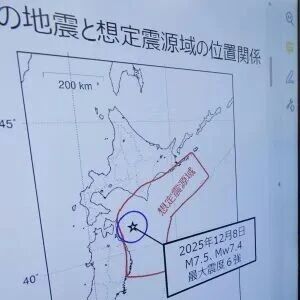
日本青森县发生M7.5地震,今后一周需保持警惕
日经中文网· 2025-12-09 02:37
Core Viewpoint - A significant earthquake occurred in Aomori Prefecture, Japan, with a magnitude of 7.5, leading to injuries and property damage, prompting government and meteorological agencies to issue warnings and preparedness measures for potential aftershocks and further seismic activity [5][6]. Group 1: Earthquake Details - The earthquake struck on December 8 at 11:15 PM local time, with a maximum intensity of 6 strong observed in Hachinohe City, Aomori Prefecture [1][6]. - The earthquake's epicenter was located offshore of Aomori Prefecture at a depth of 54 kilometers [6]. - A tsunami warning was initially issued, with a recorded tsunami height of 70 centimeters at Kuji Port in Iwate Prefecture [1][6]. Group 2: Government Response - The Japanese government established a crisis management office at the Prime Minister's residence on the evening of December 8 to coordinate disaster response efforts [5]. - Prime Minister Kishi Nobuo emphasized the importance of prioritizing life and conducting rescue operations for affected individuals [5]. - As of December 9, reports indicated 30 injuries and one residential fire due to the earthquake [5]. Group 3: Seismic Warnings and Preparedness - The Japan Meteorological Agency issued a "Hokkaido and Sanriku Coastal Aftershock Warning," the first of its kind since the mechanism was initiated in December 2022, indicating a higher likelihood of significant aftershocks [3][4]. - Residents in seven prefectures were advised to remain vigilant for potential stronger earthquakes over the following week, with recommendations to secure furniture and prepare emergency supplies [3][6]. - The agency clarified that the issuance of the warning does not guarantee further seismic events but reflects an increased risk compared to normal conditions [3].
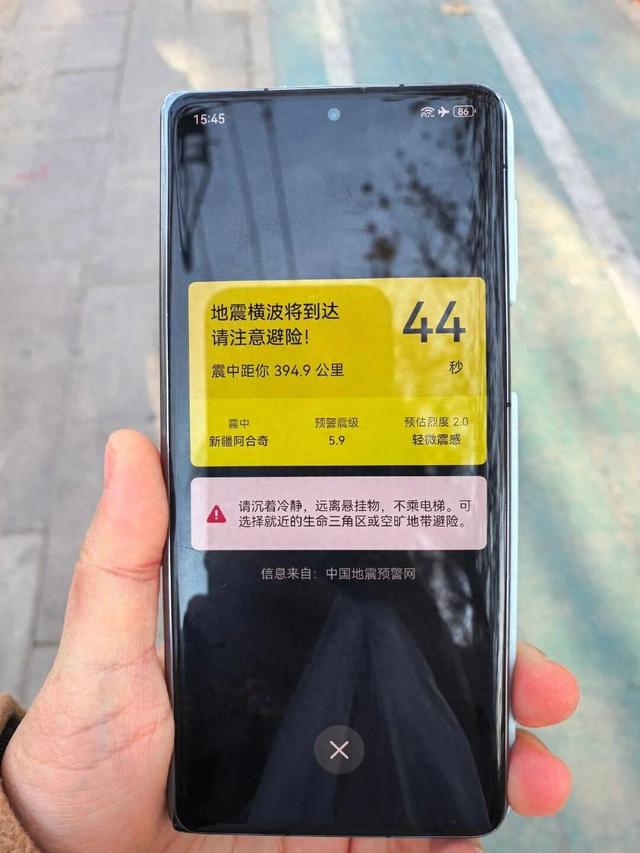
中国地震预警网手机用户突破2000万
Bei Jing Ri Bao Ke Hu Duan· 2025-12-04 14:03
Group 1 - The core viewpoint of the article emphasizes the enhancement of public disaster prevention capabilities through the integration of earthquake early warning services into smartphones, with over 20 million users connected to the China Earthquake Early Warning Network [1][2]. - The collaboration with smartphone manufacturers like Xiaomi and Huawei has led to the successful integration of earthquake warning systems into their devices, providing a direct and convenient public service channel [1][2]. - The establishment of a national third-party regulatory platform in partnership with Tencent has unified the access and management of early warning technology systems, automating the reporting of key service data related to earthquake warnings [1][2]. Group 2 - The recent 6.0 magnitude earthquake in Xinjiang demonstrated the effectiveness of the earthquake early warning system, with significant numbers of users receiving alerts through various channels, including 31,102 from Xiaomi and 39,007 from Huawei [3]. - This event marked the first practical test of the fully automated public warning service, showcasing the high level of service automation achieved [3].


让晶硅企业看到“零震损”生产的可能——内蒙古防震减灾工作护航经济高质量发展
Ke Ji Ri Bao· 2025-11-05 09:25
Core Viewpoint - The earthquake in Hualien, Taiwan, caused unexpected production disruptions in crystalline silicon companies located in Baotou, Inner Mongolia, highlighting the vulnerability of the industry to distant seismic events [1][2][3] Group 1: Impact of Earthquake - The earthquake registered a magnitude of 7.3 and occurred at 7:58 AM, leading to production disturbances at crystalline silicon companies, including Shuangliang Silicon Materials, which has a production capacity of 100 GW [1][2] - The production process of pulling single crystal silicon is highly sensitive to vibrations, and even minor disturbances can affect the quality of the silicon rods being produced [1][3] Group 2: Response and Mitigation - Following the incident, the company sought technical assessment from earthquake authorities to establish a link between the earthquake and production losses, marking a unique case for the industry [2][3] - An expert group was formed to analyze the situation, concluding that the equipment displacement was indeed related to the distant earthquake due to the long-period seismic waves affecting the production line [3][4] - The Inner Mongolia Earthquake Administration has initiated a comprehensive support system for crystalline silicon companies, including the installation of earthquake early warning systems and monitoring stations to provide real-time data and enhance safety [3][4][5] Group 3: Technological Advancements - A research team involving earthquake system experts has been established to develop rapid alert systems and data analysis software for long-distance seismic events, aiming to improve the resilience of the crystalline silicon industry [5] - The advancements in earthquake monitoring technology are expected to facilitate a "zero earthquake damage" production environment, transforming industry challenges into opportunities for technological innovation [5]

惠及多类用户 陕西地震预警信息服务持续完善
Zhong Guo Xin Wen Wang· 2025-10-13 08:57
Core Points - The Shaanxi Earthquake Early Warning System has established a multi-channel information release matrix, including dedicated terminals, WeChat mini-programs, and SMS services, expanding its coverage to a wider audience [1][3] - The system is part of the national earthquake warning framework and is set to be fully operational by 2024, with 1,210 monitoring stations built across the province [3][5] - Shaanxi province has a second-level earthquake warning capability and a minute-level intensity reporting capability, providing timely information to various users including the public, government, and enterprises [3][5] Summary by Category System Overview - The Shaanxi Earthquake Early Warning System covers over 58% of the province's area, which is in high-intensity earthquake zones [3] - The system can produce earthquake warning information within 5 to 10 seconds after detection, and basic parameters within 1 to 2 minutes [3][5] User Coverage - A total of 3,788 dedicated warning terminals have been installed, covering 3,561 schools and 70 cultural and tourist sites [5] - The system provides tailored warning services for key industries, such as a semiconductor company in Xi'an, to mitigate production losses from earthquakes [5] Technological Capabilities - The system captures seismic data from thousands of meters underground, allowing for real-time monitoring and analysis of earthquake impacts [3] - It can generate spatial distribution maps of earthquake intensity and peak ground motion parameters within minutes [3][5]
坚持统筹推进 强化示范引领!推动山东地震预警服务工作提质增效
Qi Lu Wan Bao· 2025-09-26 12:05
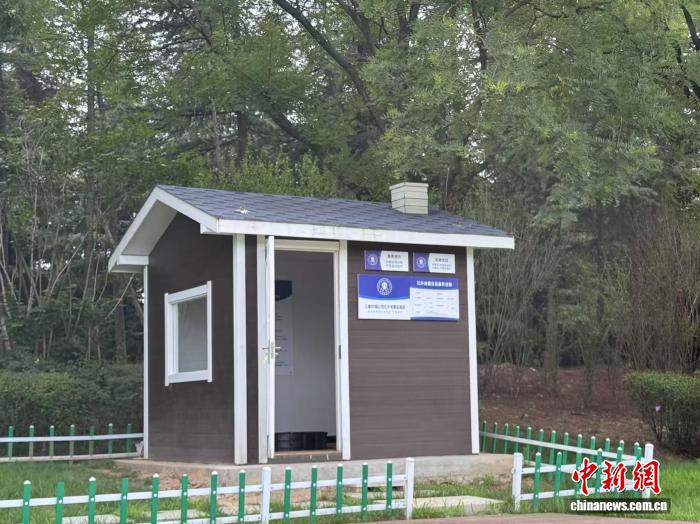
Core Viewpoint - The launch of the Shandong Earthquake Early Warning System marks a significant advancement in earthquake preparedness and response in the province, enhancing public safety and risk management capabilities [1][5]. Group 1: System Development and Implementation - Shandong has established 1,468 earthquake warning stations, positioning itself among the top provinces in China for network density [1]. - The provincial government has developed a comprehensive work plan with 27 specific measures to ensure the effective implementation of earthquake warning services [2]. - A collaborative approach involving multiple departments has been adopted to enhance the integration of earthquake warning information with emergency response mechanisms [2]. Group 2: Institutional Standards and Operational Efficiency - The Shandong Earthquake Bureau has created a robust system of regulations and standards to ensure the safe and efficient operation of the earthquake warning system [3]. - A quarterly risk assessment mechanism has been established to identify and rectify potential hazards in the early warning operations [3]. - The operational efficiency of the warning stations is maintained at a high level, with a running rate of approximately 99.7% [3]. Group 3: Service Channels and Public Engagement - The Shandong Earthquake Bureau has expanded service channels to enhance the coverage and accessibility of earthquake warning information, including partnerships with telecommunications and media companies [4]. - The user base for the Shandong earthquake warning WeChat mini-program has reached 2.84 million, making it the largest among provincial earthquake bureaus in China [4]. - A network of 1,329 high-quality warning terminals has been established across the province, ensuring comprehensive coverage in key industries [4]. Group 4: Practical Outcomes and Social Benefits - The earthquake warning system has demonstrated its effectiveness during actual seismic events, providing timely alerts that have facilitated emergency responses [5]. - Following a 5.5 magnitude earthquake, the system generated internal warning information within 7 seconds, significantly aiding emergency management efforts [5]. - Collaborative initiatives with educational institutions and critical infrastructure sectors are underway to enhance the customization and effectiveness of warning services [5].
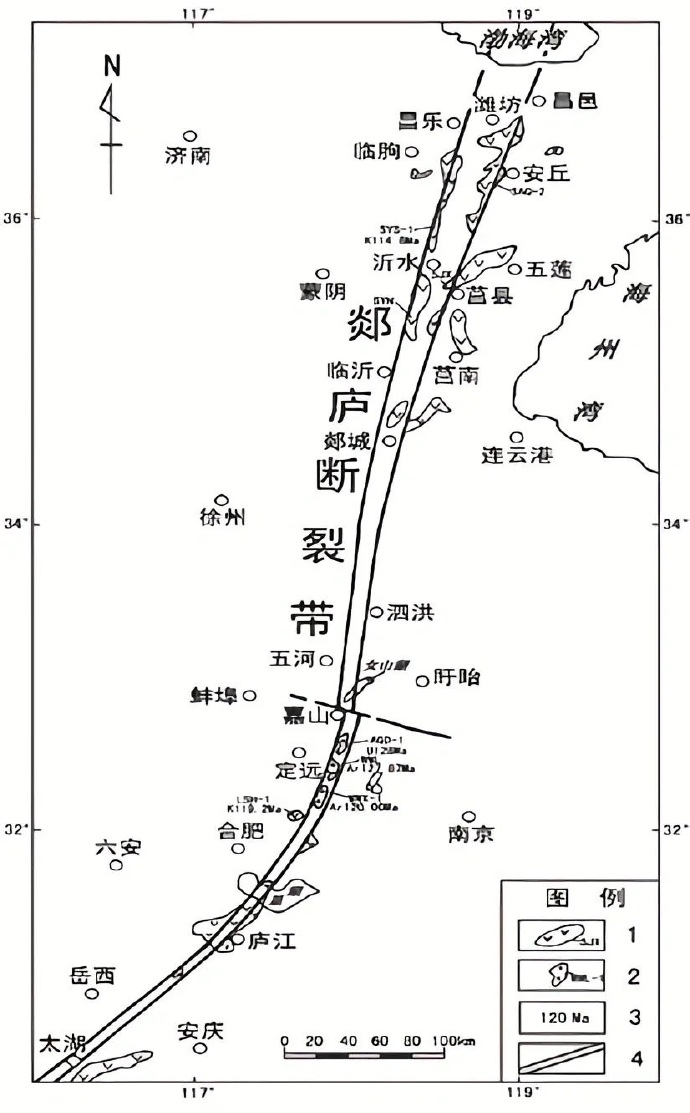
倾听大地的脉搏:郯庐断裂带上的六十载守望
Qi Lu Wan Bao· 2025-09-26 11:58
Core Viewpoint - The Tancheng-Lujiang Fault Zone is a significant geological feature in East Asia, known for its historical seismic activity and ongoing monitoring efforts to ensure public safety and disaster preparedness [1][4]. Group 1: Monitoring and Measurement - The Tancheng-Lujiang Fault Zone extends over 2400 kilometers, with a history of significant earthquakes, including the 8.5 magnitude earthquake in 1668 [1]. - The Anqiu Earthquake Monitoring Station, established in 1969, plays a crucial role in monitoring the fault zone, utilizing advanced equipment such as superconducting gravimeters and strong motion accelerometers [4][5]. - The station has conducted cross-fault leveling measurements since 1991, with monthly assessments at nine sites and six fixed-point measurements at the fault [4]. Group 2: Earthquake Early Warning - The Anqiu Earthquake Monitoring Station is equipped with a comprehensive earthquake early warning system, capable of issuing alerts within 5-30 seconds after an earthquake occurs [5]. - The national earthquake early warning project, initiated in 2018, has established 15,899 observation stations and three national warning centers, enhancing the monitoring and response capabilities [5]. - The system provides critical information such as the time of occurrence, epicenter location, and magnitude within 1-2 minutes, and generates intensity distribution maps within 2-5 minutes [5]. Group 3: Public Education and Community Engagement - The Anqiu Earthquake Monitoring Station serves as a national disaster prevention and reduction education base, having hosted over 100,000 visitors for educational activities [6]. - The station actively engages with local communities and enterprises to provide services such as fault location assessments and disaster loss evaluations [6]. - Educational initiatives include hands-on experiences for students, such as VR simulations of earthquakes and emergency preparedness training [6]. Group 4: Future Outlook - The ongoing efforts of the monitoring station reflect a commitment to public safety and economic development, with staff dedicated to capturing seismic activity and enhancing community resilience [7].
地震最新播报!今天早上你的手机预警了吗?附上操作指南 →
Xin Lang Cai Jing· 2025-09-20 10:16
Core Points - A 4.5 magnitude earthquake occurred in the Taiwan Strait at 6:56 AM on September 20, 2025, waking many people from their sleep [1][6][66] - The earthquake triggered a strong response on social media, with many users expressing their feelings and experiences [6][66] - The "China Earthquake Network" app sent out early warning notifications to 207,696 users in the vicinity of the epicenter [9][10] Group 1 - The earthquake's epicenter was located 76 kilometers from the nearest populated area, with a reported intensity of 3 degrees [10] - The earthquake was initially reported as 4.7 magnitude, later updated to 5.0 and finally to 5.1 magnitude [10] - Users received alerts through the "China Earthquake Network" WeChat mini-program, which is a collaboration between the China Earthquake Network Center, national emergency broadcasting, and Tencent [9][10] Group 2 - The article provides instructions on how to set up earthquake alerts on various smartphone brands, including Huawei, Xiaomi, and Apple [11][12][16] - Users can enable notifications for earthquake warnings through the WeChat mini-program by allowing location access and notifications [17][31] - The article emphasizes the importance of being prepared and knowing how to respond during an earthquake, including recommended actions based on the warning time [39][45][56]

精密制造有了“定制化”地震预警
Ren Min Ri Bao· 2025-09-17 22:22
Core Viewpoint - The article discusses the importance of earthquake monitoring and early warning systems for the semiconductor manufacturing industry, particularly for Samsung (China) Semiconductor Co., Ltd. in Xi'an, Shaanxi Province, to ensure stable production amidst seismic risks [1][2][3]. Group 1: Earthquake Monitoring and Early Warning - Samsung (China) Semiconductor has implemented a high-sensitivity earthquake monitoring station to provide precise earthquake warning information and vibration observation services, crucial for maintaining stable production in precision manufacturing [1]. - The company has designed its facilities with seismic isolation measures to mitigate the impact of ground vibrations on production equipment, although challenges remain with distant large earthquakes [1][2]. - A dedicated seismic monitoring network consisting of three stations has been established around the Samsung facility to analyze seismic data and improve the earthquake response thresholds of production equipment [2]. Group 2: Industry Standards and Guidelines - The Shaanxi Earthquake Administration has developed a technical guide for emergency earthquake response services tailored for high-precision manufacturing enterprises, addressing existing gaps in safety standards [3]. - Other precision manufacturing companies in Xi'an, such as Yiswei Silicon Technology Co., Ltd. and Longteng Semiconductor Co., Ltd., have also adopted customized earthquake warning services to enhance their operational resilience [3]. - The national earthquake early warning project, which is the largest of its kind globally, aims to support various industries, including precision manufacturing, and has been successfully implemented in critical infrastructure sectors [3].