场景嵌贷

Search documents
出行平台成“隐形放贷入口”?携程等六家被三部门联合约谈
Jing Ji Guan Cha Bao· 2026-02-16 07:53
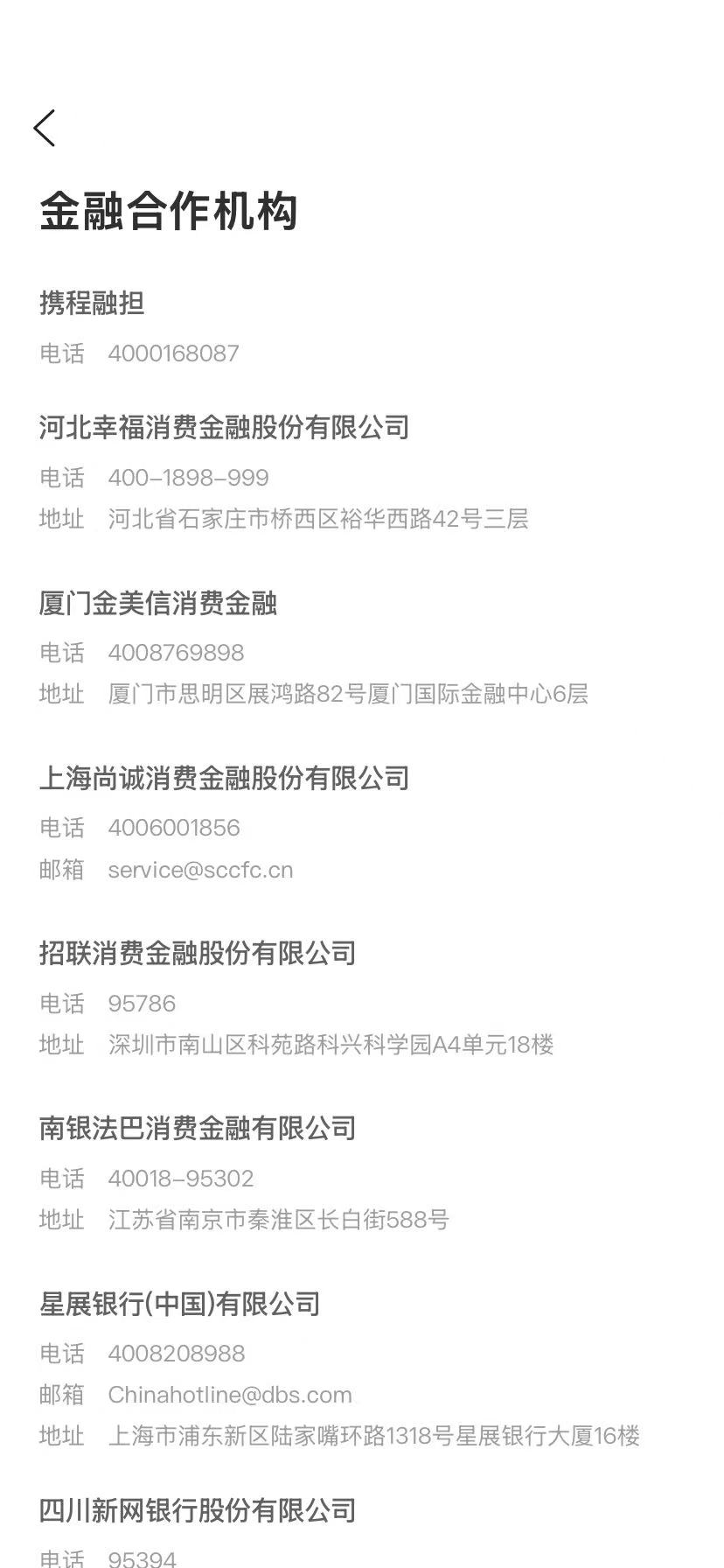
Core Viewpoint - The regulatory authorities are accelerating the clarification of boundaries in the context of the deep integration of platform economy and financial services, marking a shift from principle declaration to practical correction in the governance of non-financial platforms' involvement in credit marketing [2][14]. Group 1: Regulatory Actions - On February 13, the National Financial Supervision Administration, in conjunction with the State Administration for Market Regulation and the People's Bank of China, initiated special discussions with six major travel platforms regarding the "scene embedded loan" model [2]. - The discussions highlighted issues related to misleading marketing, lack of information disclosure, and inadequate consumer protection mechanisms [2][14]. - The regulatory bodies emphasized the need for platforms to standardize marketing practices, clearly disclose loan institution names and credit product information, and ensure effective customer complaint channels [2][14]. Group 2: Company-Specific Insights - Ctrip has obtained multiple financial business qualifications since acquiring an insurance agency license in 2011, including commercial factoring, online micro-lending, and third-party payment [3]. - Ctrip's financial services encompass insurance sales, personal and corporate loans, and various credit products, with partnerships involving licensed institutions such as Hebei Xingfu Consumer Finance and Xiaomi Consumer Finance [3]. - In contrast, Gaode Map does not hold any financial licenses and operates purely as a loan referral platform, with services provided by third parties [12]. Group 3: Market Dynamics and Risks - The coexistence of licensed self-operated platforms like Ctrip and unlicensed referral platforms like Gaode presents regulatory challenges, focusing on whether platforms misuse information advantages or engage in substantial marketing under the guise of information display [13]. - The high-frequency, low-decision-cost nature of travel scenarios amplifies the credit inducement effect, potentially leading to overdue payments and affecting credit records due to users not fully understanding agreements [13]. - The joint regulatory action signifies a systemic brake on the financialization impulse of platform economies, emphasizing that compliance is essential for survival in the market [14].


六家出行平台被联合约谈 金融监管重拳整治“嵌套式”借贷乱象
Jing Ji Guan Cha Wang· 2026-02-16 04:03
Core Viewpoint - The regulatory authorities are accelerating the clarification of boundaries between platform economy and financial services, focusing on the "scene embedded lending" model to address issues such as misleading marketing, lack of transparency, and insufficient consumer protection [1][3]. Group 1: Regulatory Actions - On February 13, the National Financial Supervision Administration, in conjunction with the State Administration for Market Regulation and the People's Bank of China, conducted special interviews with six major travel service platforms [1]. - The regulatory focus is on ensuring that platforms do not become undisclosed credit channels that could distort user decision-making and potentially propagate systemic financial risks [1][3]. Group 2: Company-Specific Practices - Ctrip has obtained multiple financial business qualifications since acquiring an insurance agency license in 2011, including insurance sales and personal and corporate loans [2]. - In contrast, Gaode Map has not obtained a financial license, and its financial services are provided by third parties, with a maximum loan amount of 300,000 yuan and annual interest rates ranging from 3% to 24% [2]. - Tongcheng Travel acquired 100% of Xinxing Payment in 2025, gaining internet payment and credit card acquiring licenses, and its "Tongcheng Yirong" product collaborates with over 50 lending platforms [2]. Group 3: Compliance and Consumer Protection - The three departments emphasized the need for platforms to clearly disclose the names of lending institutions and credit product information while reminding borrowers to make rational borrowing decisions [3]. - The high-frequency, low-decision-cost nature of travel scenarios can amplify credit inducement effects, leading to potential overdue payments and negative impacts on credit records [3]. - The joint action reflects a deepening of cross-departmental collaborative regulatory mechanisms, indicating a shift towards comprehensive and penetrating governance of platform financial activities [3][4]. Group 4: Future Implications - The regulatory framework is establishing clear rules: platforms can connect to finance but must disclose lending entities and ensure user rational decision-making [4]. - Compliance is not optional but a prerequisite for survival for all companies attempting to embed credit functions into daily services [4].
出行平台成“隐形放贷入口”?携程、高德等六家被三部门联合约谈
Jing Ji Guan Cha Wang· 2026-02-16 03:50
Core Viewpoint - The regulatory authorities are accelerating the clarification of boundaries in the context of the deep integration of platform economy and financial services, focusing on the risks of misleading marketing, lack of information disclosure, and inadequate consumer protection in the "scene embedded lending" model [1][12]. Group 1: Regulatory Actions - On February 13, the National Financial Supervision Administration, in conjunction with the State Administration for Market Regulation and the People's Bank of China, initiated special discussions with six major travel platforms regarding their lending practices [1]. - The discussions highlighted non-compliance issues in marketing behavior, information disclosure, and consumer rights protection among the involved companies [1]. - Regulatory requirements include the prohibition of misleading promotional language, clear disclosure of lending institutions and product information, and the establishment of effective customer complaint channels [1]. Group 2: Company-Specific Financial Practices - Ctrip has obtained multiple financial business qualifications since acquiring an insurance agency license in 2011, including commercial factoring, online micro-lending, and third-party payment services, and has expanded its financial licensing internationally [2]. - In contrast, Gaode Map does not hold any financial licenses and operates a pure referral model for lending services, with third-party financial institutions providing the actual loans [9]. - Tongcheng Travel has completed its licensing requirements by acquiring a payment company and consolidating its lending licenses, allowing it to collaborate with over 50 lending platforms [11]. Group 3: Regulatory Challenges - The coexistence of licensed self-operated platforms and unlicensed referral platforms presents a core challenge for current regulatory efforts [11]. - The regulatory focus for licensed platforms like Ctrip is on the potential misuse of information advantages, while for unlicensed platforms like Gaode, the emphasis is on avoiding substantial marketing under the guise of information display [11]. - The high-frequency and low-decision-cost nature of travel platforms can amplify the effects of credit inducement, leading to potential credit record impacts for users who do not fully understand the terms [11]. Group 4: Cross-Departmental Regulatory Mechanism - The joint action reflects a deepening of cross-departmental regulatory mechanisms, with each department focusing on different aspects of compliance and consumer protection [12]. - This initiative serves as a systemic brake on the financialization impulse of platform economies, emphasizing that technological convenience cannot replace compliance standards [12]. - The regulatory framework aims to ensure that platforms can connect to financial services while maintaining clear disclosures and protecting consumer decision-making rights [12].