拿去花

Search documents

前有垄断立案,后有金融约谈,30天内。携程遭遇“双重监管”
Sou Hu Cai Jing· 2026-02-25 04:18
Core Viewpoint - In 2026, Ctrip faces significant regulatory scrutiny, including antitrust investigations and financial misconduct allegations, highlighting the consequences of its long-standing market dominance and questionable business practices [1][2][13]. Regulatory Scrutiny - On January 14, 2026, the State Administration for Market Regulation announced an antitrust investigation into Ctrip for allegedly abusing its market dominance [11]. - On February 13, 2026, the Financial Regulatory Bureau, in conjunction with other regulatory bodies, conducted interviews with Ctrip and five other travel platforms regarding misleading advertising and inadequate consumer protection in their lending practices [3][4]. Consumer Complaints - Users have reported being unknowingly enrolled in Ctrip's financial products, such as "Naked Flower," during hotel bookings, leading to unexpected debts [5][6]. - Complaints on the Black Cat Complaint platform regarding Ctrip's financial services have exceeded 22,000, with issues primarily related to aggressive debt collection practices [9]. Business Model Critique - The current business model of Ctrip has been criticized for transforming users from "bookers" into "debtors," raising ethical concerns about its financial practices [4][10]. - The intertwining of travel services and financial products has led to a perception of exploitation rather than value creation, prompting calls for a return to service-oriented practices [10][14]. Market Position and Competition - Ctrip holds a dominant position in the online travel market, with an estimated market share of 57% in GMV for 2024, and when combined with its affiliated platform Tongcheng, it accounts for nearly 70% of the OTA market [12]. - The Yunnan Provincial Tourism Homestay Association has initiated actions against Ctrip for unfair competition practices, including "forced choice" and unilateral commission increases, which threaten the survival of smaller businesses [12].

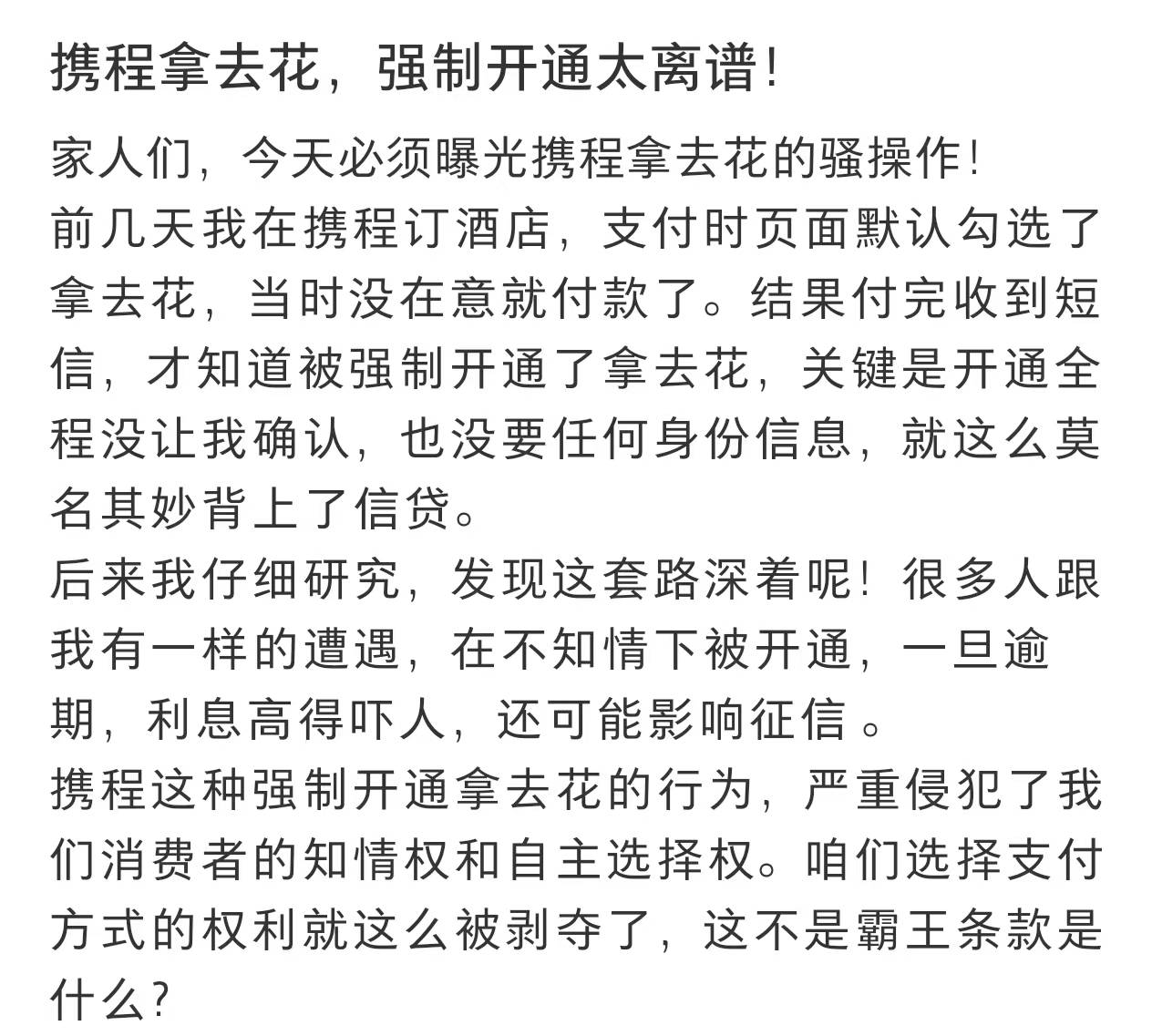
出行平台成“隐形放贷入口”?携程等六家被三部门联合约谈
Jing Ji Guan Cha Bao· 2026-02-16 07:53
Core Viewpoint - The regulatory authorities are accelerating the clarification of boundaries in the context of the deep integration of platform economy and financial services, marking a shift from principle declaration to practical correction in the governance of non-financial platforms' involvement in credit marketing [2][14]. Group 1: Regulatory Actions - On February 13, the National Financial Supervision Administration, in conjunction with the State Administration for Market Regulation and the People's Bank of China, initiated special discussions with six major travel platforms regarding the "scene embedded loan" model [2]. - The discussions highlighted issues related to misleading marketing, lack of information disclosure, and inadequate consumer protection mechanisms [2][14]. - The regulatory bodies emphasized the need for platforms to standardize marketing practices, clearly disclose loan institution names and credit product information, and ensure effective customer complaint channels [2][14]. Group 2: Company-Specific Insights - Ctrip has obtained multiple financial business qualifications since acquiring an insurance agency license in 2011, including commercial factoring, online micro-lending, and third-party payment [3]. - Ctrip's financial services encompass insurance sales, personal and corporate loans, and various credit products, with partnerships involving licensed institutions such as Hebei Xingfu Consumer Finance and Xiaomi Consumer Finance [3]. - In contrast, Gaode Map does not hold any financial licenses and operates purely as a loan referral platform, with services provided by third parties [12]. Group 3: Market Dynamics and Risks - The coexistence of licensed self-operated platforms like Ctrip and unlicensed referral platforms like Gaode presents regulatory challenges, focusing on whether platforms misuse information advantages or engage in substantial marketing under the guise of information display [13]. - The high-frequency, low-decision-cost nature of travel scenarios amplifies the credit inducement effect, potentially leading to overdue payments and affecting credit records due to users not fully understanding agreements [13]. - The joint regulatory action signifies a systemic brake on the financialization impulse of platform economies, emphasizing that compliance is essential for survival in the market [14].

六家出行平台被联合约谈 金融监管重拳整治“嵌套式”借贷乱象
Jing Ji Guan Cha Wang· 2026-02-16 04:03
Core Viewpoint - The regulatory authorities are accelerating the clarification of boundaries between platform economy and financial services, focusing on the "scene embedded lending" model to address issues such as misleading marketing, lack of transparency, and insufficient consumer protection [1][3]. Group 1: Regulatory Actions - On February 13, the National Financial Supervision Administration, in conjunction with the State Administration for Market Regulation and the People's Bank of China, conducted special interviews with six major travel service platforms [1]. - The regulatory focus is on ensuring that platforms do not become undisclosed credit channels that could distort user decision-making and potentially propagate systemic financial risks [1][3]. Group 2: Company-Specific Practices - Ctrip has obtained multiple financial business qualifications since acquiring an insurance agency license in 2011, including insurance sales and personal and corporate loans [2]. - In contrast, Gaode Map has not obtained a financial license, and its financial services are provided by third parties, with a maximum loan amount of 300,000 yuan and annual interest rates ranging from 3% to 24% [2]. - Tongcheng Travel acquired 100% of Xinxing Payment in 2025, gaining internet payment and credit card acquiring licenses, and its "Tongcheng Yirong" product collaborates with over 50 lending platforms [2]. Group 3: Compliance and Consumer Protection - The three departments emphasized the need for platforms to clearly disclose the names of lending institutions and credit product information while reminding borrowers to make rational borrowing decisions [3]. - The high-frequency, low-decision-cost nature of travel scenarios can amplify credit inducement effects, leading to potential overdue payments and negative impacts on credit records [3]. - The joint action reflects a deepening of cross-departmental collaborative regulatory mechanisms, indicating a shift towards comprehensive and penetrating governance of platform financial activities [3][4]. Group 4: Future Implications - The regulatory framework is establishing clear rules: platforms can connect to finance but must disclose lending entities and ensure user rational decision-making [4]. - Compliance is not optional but a prerequisite for survival for all companies attempting to embed credit functions into daily services [4].
出行平台成“隐形放贷入口”?携程、高德等六家被三部门联合约谈
Jing Ji Guan Cha Wang· 2026-02-16 03:50
Core Viewpoint - The regulatory authorities are accelerating the clarification of boundaries in the context of the deep integration of platform economy and financial services, focusing on the risks of misleading marketing, lack of information disclosure, and inadequate consumer protection in the "scene embedded lending" model [1][12]. Group 1: Regulatory Actions - On February 13, the National Financial Supervision Administration, in conjunction with the State Administration for Market Regulation and the People's Bank of China, initiated special discussions with six major travel platforms regarding their lending practices [1]. - The discussions highlighted non-compliance issues in marketing behavior, information disclosure, and consumer rights protection among the involved companies [1]. - Regulatory requirements include the prohibition of misleading promotional language, clear disclosure of lending institutions and product information, and the establishment of effective customer complaint channels [1]. Group 2: Company-Specific Financial Practices - Ctrip has obtained multiple financial business qualifications since acquiring an insurance agency license in 2011, including commercial factoring, online micro-lending, and third-party payment services, and has expanded its financial licensing internationally [2]. - In contrast, Gaode Map does not hold any financial licenses and operates a pure referral model for lending services, with third-party financial institutions providing the actual loans [9]. - Tongcheng Travel has completed its licensing requirements by acquiring a payment company and consolidating its lending licenses, allowing it to collaborate with over 50 lending platforms [11]. Group 3: Regulatory Challenges - The coexistence of licensed self-operated platforms and unlicensed referral platforms presents a core challenge for current regulatory efforts [11]. - The regulatory focus for licensed platforms like Ctrip is on the potential misuse of information advantages, while for unlicensed platforms like Gaode, the emphasis is on avoiding substantial marketing under the guise of information display [11]. - The high-frequency and low-decision-cost nature of travel platforms can amplify the effects of credit inducement, leading to potential credit record impacts for users who do not fully understand the terms [11]. Group 4: Cross-Departmental Regulatory Mechanism - The joint action reflects a deepening of cross-departmental regulatory mechanisms, with each department focusing on different aspects of compliance and consumer protection [12]. - This initiative serves as a systemic brake on the financialization impulse of platform economies, emphasizing that technological convenience cannot replace compliance standards [12]. - The regulatory framework aims to ensure that platforms can connect to financial services while maintaining clear disclosures and protecting consumer decision-making rights [12].
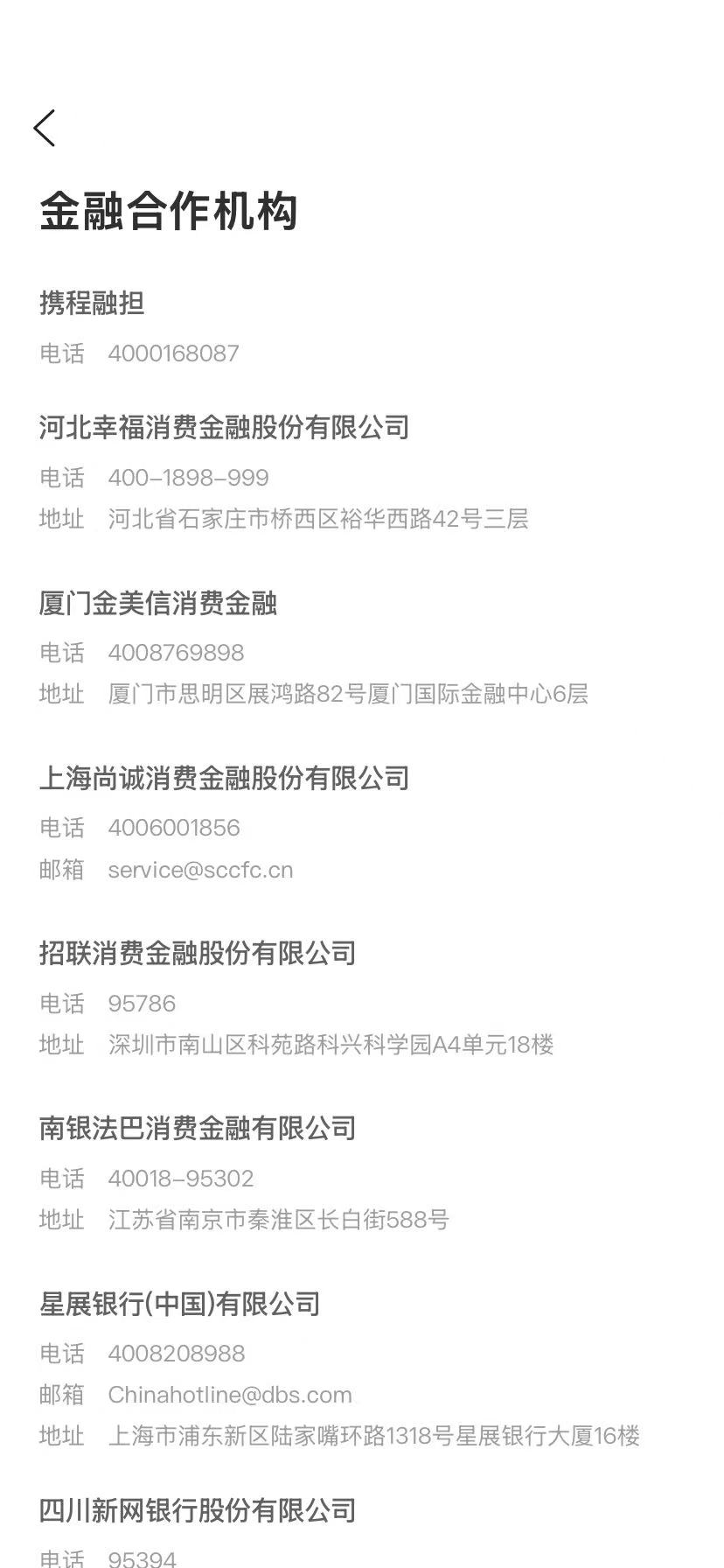
携程涉嫌垄断被立案调查,其金融版图都有哪些?
Sou Hu Cai Jing· 2026-01-16 04:50
Core Viewpoint - Ctrip is under investigation by the State Administration for Market Regulation for suspected monopolistic behavior, which may lead to significant fines and increased regulatory scrutiny on its comprehensive financial ecosystem [2] Group 1: Investigation and Financial Impact - The investigation is based on the Anti-Monopoly Law of the People's Republic of China, with potential fines estimated at 4% of Ctrip's domestic sales revenue for 2024, amounting to approximately 1.5 billion RMB, which could reduce its net profit margin by 2 percentage points in fiscal year 2026 [2] - Ctrip has stated it will cooperate with regulatory authorities and aims to foster a sustainable market environment [2] Group 2: Financial Ecosystem Overview - Ctrip has developed a comprehensive financial ecosystem that includes consumer finance, insurance agency, payment services, and micro-lending, leveraging its vast user base to monetize traffic and enhance its core business competitiveness [3] - In 2024, the financial segment generated revenue of 4.6 billion RMB, accounting for 8.61% of total revenue, with a year-on-year growth of 31.43% [3] Group 3: Key Financial Licenses and Operations - Ctrip has acquired multiple financial licenses through direct investments and full ownership, including a third-party payment license obtained through the acquisition of Shanghai Dongfang Huirong Information Technology Service Co., Ltd. [4] - The core entity, Chongqing Ctrip Micro Loan Co., Ltd., has a registered capital of 5 billion RMB and offers consumer finance products, contributing significantly to Ctrip's financial operations [4] Group 4: Compliance Risks and Regulatory Challenges - Ctrip's financial operations include commercial factoring, financing guarantees, insurance agency, and fund sales, with a leading position in license coverage among OTA peers [5] - Despite strong growth in Chongqing Ctrip Micro Loan's revenue and profit, compliance risks are emerging, particularly regarding the ownership structure of Shanghai Shangcheng Consumer Finance Co., Ltd., which does not fully comply with new regulatory requirements [6][7] - Ctrip's fund sales division faces challenges due to the lack of a public fund sales license, limiting its business expansion in this area [8]

收购牌照 同程旅行进军支付
Bei Jing Shang Bao· 2025-09-25 16:53
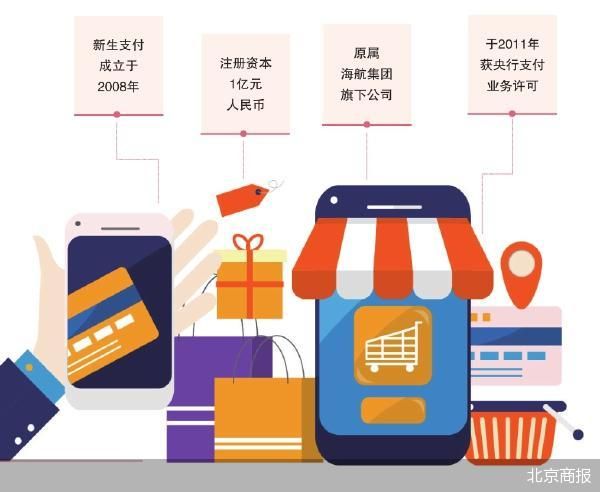
Core Viewpoint - Tongcheng Group's subsidiary, eLong, has acquired 100% of Newborn Payment Co., Ltd., gaining a payment license to capitalize on opportunities in cross-border trade and cultural tourism in the Hainan Free Trade Port [1][3][4] Group 1: Acquisition Details - The acquisition of Newborn Payment was executed through a full acquisition by eLong, which is a subsidiary of Tongcheng Group [3] - Newborn Payment, established in 2008 with a registered capital of 100 million RMB, was previously under HNA Group and has held a payment business license since 2011 [3][4] - The payment license allows Newborn Payment to conduct various payment services, including internet payment, prepaid card issuance, and bank card acceptance, with a license validity until May 2026 [3][4] Group 2: Strategic Considerations - The acquisition aligns with Tongcheng's strategy to leverage the development of the Hainan Free Trade Port, enhancing its capabilities in cross-border commerce and cultural tourism [1][6] - Newborn Payment is the only licensed payment institution in Hainan, positioning it to benefit from the region's favorable policies as it approaches the 2025 deadline for becoming a high-level free trade port [4][5] Group 3: Industry Context - The payment industry is transitioning into a phase where acquiring licenses through acquisition is becoming a common strategy due to regulatory constraints on new applications [3][7] - The importance of having a complete payment license is emphasized, as it allows companies to reduce costs associated with partnering with external licensed payment institutions [6][8] Group 4: Future Opportunities - The acquisition is expected to enhance Tongcheng's service offerings, allowing for better integration of financial services within its existing travel platform [8][9] - The move is seen as a step towards building a comprehensive financial ecosystem, which is crucial for maintaining competitiveness in the digital economy [9][10]
独家丨这一头部OTA拿下支付牌照!赛道玩家再添一员
Bei Jing Shang Bao· 2025-09-25 10:44
Group 1 - The core viewpoint of the article is that Tongcheng Group's subsidiary, Yilong Network, has acquired 100% of Xinxing Payment to obtain a payment license, aiming to leverage opportunities in cross-border trade and cultural tourism consumption, particularly benefiting from the development of Hainan Free Trade Port [1][5][4] Group 2 - Xinxing Payment, established in 2008 with a registered capital of 100 million RMB, was previously under HNA Group and has been granted various payment business licenses, including internet payment and prepaid card issuance [3][4] - The acquisition of Xinxing Payment is significant as it is the only licensed payment institution in Hainan and plays a crucial role in the digital RMB pilot for cross-border e-commerce [4][5] - The payment license allows Yilong Network to reduce costs associated with external licensed payment partners and enhances its ability to accumulate user data and cross-sell financial services [5][6] Group 3 - The acquisition reflects Tongcheng's strategy to capitalize on opportunities in cross-border commerce and cultural tourism, with a focus on digital upgrades in consumption scenarios [5][6] - Compliance is a critical factor, as the financial regulatory environment emphasizes licensed operations, and the company must establish a robust compliance and internal control system post-acquisition [6][7] - The payment license is seen as a foundational infrastructure for financial operations, enabling the company to expand its service boundaries within a compliant framework [7][8] Group 4 - The integration of payment capabilities is essential for building a financial ecosystem and enhancing business synergy, allowing the company to connect consumer and merchant transactions effectively [8] - In the context of increasing digitalization, having a complete license system is becoming a standard for leading companies, providing a competitive edge in the evolving digital economy [8][9]

独家|这一头部OTA拿下支付牌照!赛道玩家再添一员
Bei Jing Shang Bao· 2025-09-25 10:09
Core Viewpoint - The acquisition of 100% equity in Xinying Payment by Yilong Network, a subsidiary of Tongcheng Group, allows the company to obtain a payment license, enabling it to leverage opportunities in cross-border trade and digital upgrades in the cultural tourism sector, particularly benefiting from the development of Hainan Free Trade Port [1][5]. Group 1: Acquisition Details - Tongcheng Group's Yilong Network acquired Xinying Payment through a full acquisition, which is a strategic move to gain a payment license amid a restrictive environment for new applications [3]. - Xinying Payment, established in 2008 with a registered capital of 100 million RMB, was previously under HNA Group and has held a payment business license since 2011, allowing it to conduct various payment services [3][4]. - The payment license obtained allows Xinying Payment to operate multiple services, including internet payment, prepaid card issuance, and cross-border RMB payment, with the license valid until May 2026 [3][4]. Group 2: Strategic Implications - The acquisition aligns with Tongcheng's strategy to capitalize on opportunities in cross-border commerce and cultural tourism, particularly as Hainan Free Trade Port develops [5]. - The integration of payment services will reduce costs associated with external licensed payment partners and enhance user data accumulation and cross-selling of financial services [5][6]. - The move is seen as essential for building a comprehensive financial ecosystem, allowing for better service integration and competitive positioning in the digital economy [7][8]. Group 3: Compliance and Future Outlook - The acquisition marks the beginning of a compliance journey, as the company must navigate regulatory requirements related to anti-money laundering and transaction management [6]. - Strengthening compliance and internal control systems is crucial for Tongcheng to avoid potential pitfalls in the highly regulated payment industry [6]. - The payment license is viewed as a foundational infrastructure for expanding financial services and enhancing operational efficiency in the competitive landscape [7][8].