垂直生存

Search documents
香港的楼,为什么越建越高?
36氪· 2025-12-02 09:19
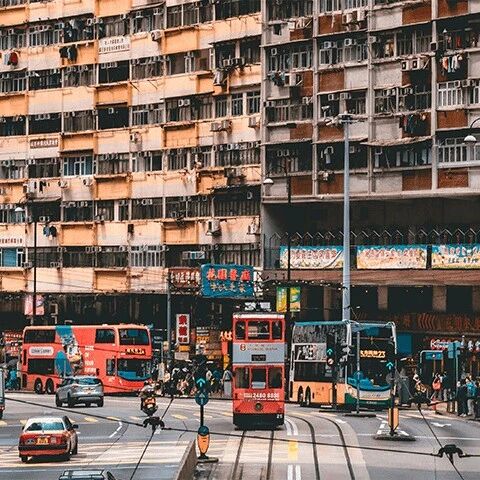
Core Viewpoint - The article discusses the implications of Hong Kong's vertical urban development, highlighting the risks associated with high-density living, particularly in light of a recent tragic fire incident that exposed the vulnerabilities of such structures [7][21][78]. Group 1: Urban Development and Density - Hong Kong has the highest number of skyscrapers globally, with 569 buildings over 150 meters tall, reflecting its extreme approach to vertical space utilization [13][14]. - The city's high-rise buildings are densely packed, with some areas having a minimum distance of less than 3 meters between structures, creating a claustrophobic living environment [17][18]. - The vertical living arrangement, once seen as a solution to space constraints, has turned into a potential death trap during emergencies like fires [19][20]. Group 2: Historical Context of Vertical Development - The population of Hong Kong surged from 600,000 in 1945 to 2.2 million by 1950, leading to a housing crisis due to limited land availability [24][26][28]. - The government responded to the housing crisis by revising building regulations in 1954, allowing for taller buildings, which initiated the vertical development trend [32][34]. - By the 1960s, the construction of high-density residential buildings became a norm, driven by both population pressure and industrial expansion [37][46]. Group 3: Economic Implications - The real estate sector has been a significant pillar of Hong Kong's economy, contributing over 20% to government revenue and employing a large portion of the workforce [65][66]. - The 1997 Asian financial crisis severely impacted the housing market, leading to a dramatic drop in property prices and a subsequent economic downturn [56][59]. - The failure of the "85,000 housing units" plan, aimed at addressing housing shortages, was a direct consequence of the financial crisis, highlighting the interconnectedness of the real estate market and the broader economy [54][67]. Group 4: Current Housing Challenges - Despite efforts to increase housing supply, including plans for 189,000 public housing units over five years, the issue of high property prices remains a persistent challenge for residents [77]. - The affordability crisis is underscored by a housing price-to-income ratio of 20.9, making it the least affordable housing market globally [72]. - The ongoing struggle with high property prices continues to shape the social and economic landscape of Hong Kong, affecting family structures and individual aspirations [74][75].