
八万五计划

Search documents
香港的楼,为什么越建越高?
36氪· 2025-12-02 09:19
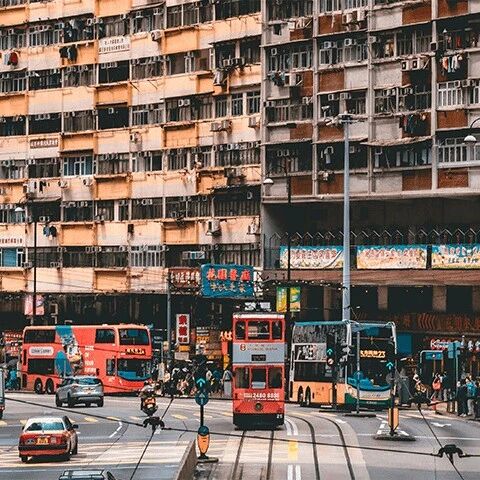
Core Viewpoint - The article discusses the implications of Hong Kong's vertical urban development, highlighting the risks associated with high-density living, particularly in light of a recent tragic fire incident that exposed the vulnerabilities of such structures [7][21][78]. Group 1: Urban Development and Density - Hong Kong has the highest number of skyscrapers globally, with 569 buildings over 150 meters tall, reflecting its extreme approach to vertical space utilization [13][14]. - The city's high-rise buildings are densely packed, with some areas having a minimum distance of less than 3 meters between structures, creating a claustrophobic living environment [17][18]. - The vertical living arrangement, once seen as a solution to space constraints, has turned into a potential death trap during emergencies like fires [19][20]. Group 2: Historical Context of Vertical Development - The population of Hong Kong surged from 600,000 in 1945 to 2.2 million by 1950, leading to a housing crisis due to limited land availability [24][26][28]. - The government responded to the housing crisis by revising building regulations in 1954, allowing for taller buildings, which initiated the vertical development trend [32][34]. - By the 1960s, the construction of high-density residential buildings became a norm, driven by both population pressure and industrial expansion [37][46]. Group 3: Economic Implications - The real estate sector has been a significant pillar of Hong Kong's economy, contributing over 20% to government revenue and employing a large portion of the workforce [65][66]. - The 1997 Asian financial crisis severely impacted the housing market, leading to a dramatic drop in property prices and a subsequent economic downturn [56][59]. - The failure of the "85,000 housing units" plan, aimed at addressing housing shortages, was a direct consequence of the financial crisis, highlighting the interconnectedness of the real estate market and the broader economy [54][67]. Group 4: Current Housing Challenges - Despite efforts to increase housing supply, including plans for 189,000 public housing units over five years, the issue of high property prices remains a persistent challenge for residents [77]. - The affordability crisis is underscored by a housing price-to-income ratio of 20.9, making it the least affordable housing market globally [72]. - The ongoing struggle with high property prices continues to shape the social and economic landscape of Hong Kong, affecting family structures and individual aspirations [74][75].

香港的楼,为什么越建越高?
凤凰网财经· 2025-12-01 14:24
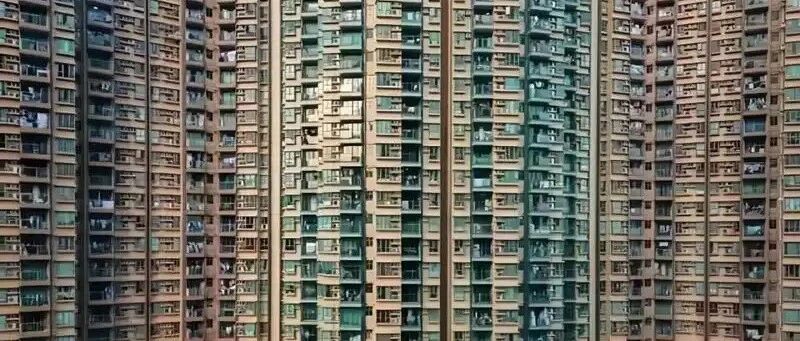
Core Viewpoint - The article discusses the implications of Hong Kong's vertical urban development, highlighting the risks associated with high-density living, particularly in light of a recent tragic fire incident that exposed the vulnerabilities of such structures [3][16]. Group 1: Urban Density and High-Rise Buildings - Hong Kong has the highest number of skyscrapers globally, with 569 buildings over 150 meters tall, reflecting its extreme vertical development [7]. - The city's high-rise buildings create a "concrete jungle," leading to a suffocating living environment where distances between buildings can be as narrow as 1 meter [12][11]. - The vertical living arrangement, once seen as a solution to space constraints, has turned into a potential death trap during emergencies like fires [14][15]. Group 2: Historical Context of Vertical Development - The population of Hong Kong surged from 600,000 in 1945 to over 2.2 million by 1950, creating immense pressure for housing [17][19]. - The geographical limitations of Hong Kong, with over 70% of its land being mountainous, necessitated the shift towards vertical construction to accommodate the growing population [21][22]. - Legislative changes in the 1950s and 1960s, such as the revision of building regulations, facilitated the rise of high-density residential buildings [25][36]. Group 3: Economic Implications of Real Estate - The real estate sector has been a significant pillar of Hong Kong's economy, contributing over 20% to government revenue and employing a large portion of the workforce [56][57]. - The 1997 Asian financial crisis severely impacted the housing market, leading to a dramatic drop in property prices and a rise in negative equity among homeowners [48][51]. - The "85,000 units" housing plan aimed to address housing shortages but was ultimately derailed by the financial crisis, highlighting the fragility of the housing market [45][58]. Group 4: Current Housing Challenges - The affordability crisis in Hong Kong is severe, with a housing price-to-income ratio of 20.9, making it the least affordable housing market globally [62]. - Recent government initiatives, such as the "Lai Zheng Plan," aimed to increase housing supply but faced significant public resistance, leading to stalled projects [66]. - The current administration is focusing on increasing public housing units, with a target of 189,000 units over five years, to alleviate housing stress for lower-income families [67].
香港楼市:对制度和历史的一些解析
2025-07-22 14:36
Summary of Hong Kong Real Estate Market Conference Call Industry Overview - The conference call focuses on the Hong Kong real estate market, highlighting its structural issues and historical context [1][2][3]. Key Points and Arguments 1. **Home Ownership Rate**: Hong Kong's home ownership rate is approximately 50%, significantly lower than the overseas average of 60%-65%, primarily due to the long-term suppression of public housing conversion to private housing [1][5][6]. 2. **Housing Ladder System**: The Hong Kong government attempted to create a "housing ladder" system, but it has largely failed over the past 20 years due to poor flow between public and private housing, resulting in long waiting times for public housing applications [1][8]. 3. **Living Conditions**: The average living space per person in Hong Kong is only 15.6 square meters, leading to significant quality of life issues, including overcrowding and low transaction frequency in the secondary housing market [1][9][10]. 4. **Government Policies**: Post-2003, the government halted the居屋 (Home Ownership Scheme) and tightened land supply, which has led to a shortage of housing and increased prices [1][16][18]. 5. **Market Dynamics**: The rental-to-sale ratio has been on a downward trend, indicating a long-term alignment with interest rates. The current rental-to-sale ratio is 3.7, down from a peak of 6 in 2003 [3][4][34]. 6. **Economic Impact**: The low activity in the secondary housing market, with only 0.6 transactions per 100 people annually, reflects poor liquidity and negatively impacts the overall health of the economy [10][11]. 7. **Future Outlook**: The future trajectory of the Hong Kong real estate market will depend more on inflation trends rather than interest rates. A return to inflation could help alleviate historical price pressures [3][33]. 8. **Supply Challenges**: Despite some policy adjustments, there remains a significant supply shortage, with potential land supply gaps projected in the coming years [22][36]. Additional Important Content - **Historical Context**: The real estate market saw significant changes post-1997, with a marked decline in activity and price fluctuations influenced by various economic factors [2][12][13]. - **Government's Role**: The government's reluctance to increase housing freedom for public housing tenants is aimed at protecting private housing market pricing, which has contributed to widening wealth gaps [26][27]. - **Investment Considerations**: Investors are advised to monitor economic re-inflation trends, as current asset prices reflect expectations of economic stabilization [36]. This summary encapsulates the critical insights from the conference call regarding the Hong Kong real estate market, its challenges, and future outlook.