
基层慢性病健康管理

Search documents
辽宁:筛查诊断治疗随访等家门口“一站式”解决
Yang Shi Xin Wen Ke Hu Duan· 2025-12-10 06:16
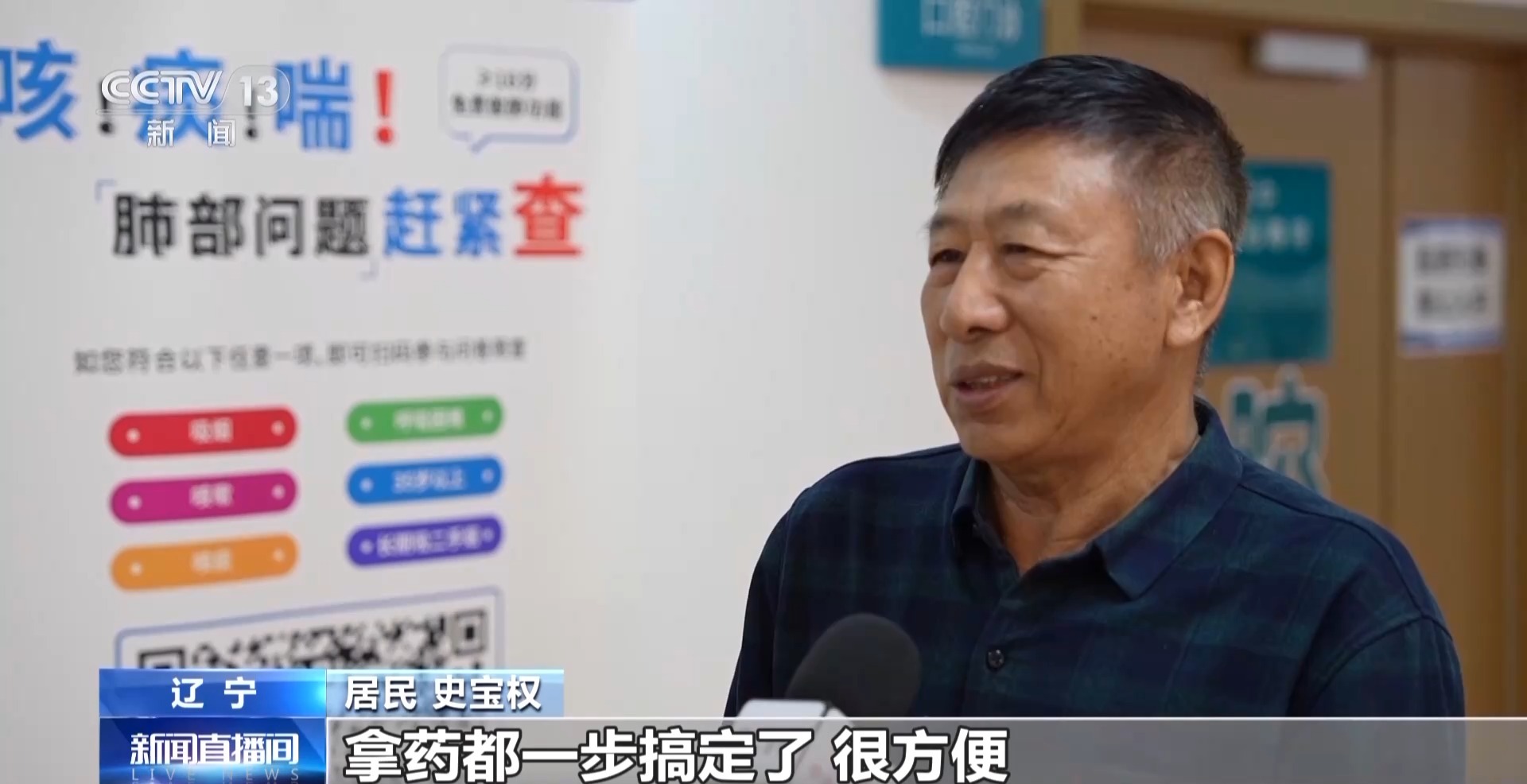
Core Viewpoint - The National Health Commission has released guidelines to enhance the capacity of grassroots chronic disease health management services, promoting a "one-stop" integrated service model for chronic disease management [1] Group 1: Guidelines and Implementation - The guidelines include core functions such as chronic disease prevention, diagnosis, health management services, referral, and information flow [1] - Health service areas and diagnostic areas are to be clearly defined, ensuring clear signage and smooth patient flow [1] - The integration of health professionals, including general practitioners, traditional Chinese medicine practitioners, public health doctors, pharmacists, and nurses, is emphasized [1] Group 2: Community Health Management Experience - The "one-stop" chronic disease health management area at the Changbai Community Health Service Center in Shenyang is operational, providing comprehensive services from screening to follow-up [2] - Residents like 72-year-old Shi Baoquan benefit from integrated services, receiving free lung function tests and medications at the community level, which enhances convenience [3][5] Group 3: Technological Integration - The use of digital tools allows for real-time monitoring and intervention for chronic disease patients, such as those with chronic obstructive pulmonary disease (COPD) [5] - The community health service center has upgraded its management from periodic follow-ups to real-time monitoring, timely warnings, and proactive interventions [9] Group 4: Future Directions - The focus will be on integrating prevention, diagnosis, and rehabilitation to provide comprehensive health management solutions at the community level [13]

在家门口享优质服务!我国加强基层慢性病健康管理
Xin Hua She· 2025-10-29 08:04
Core Viewpoint - The National Health Commission of China has released guidelines to enhance chronic disease health management services at the grassroots level, aiming to provide systematic, continuous, and high-quality services for chronic disease patients in urban and rural communities [1][2] Group 1: Implementation Timeline - By 2027, counties (cities, districts) with integrated medical communities are expected to achieve full-process chronic disease health management services, with increased utilization by chronic disease patients [1] - By 2030, a systematic and continuous service model for chronic diseases is to be widely applied at the grassroots level, further expanding the population benefiting from these services [1] Group 2: Service Integration - The guidelines emphasize the integration of chronic disease health management services, focusing on the roles of four types of institutions: township health centers, community health service centers, village clinics (community health service stations), and leading hospitals within integrated medical communities [1] - The role of public health institutions, such as disease prevention and control centers, is highlighted for providing technical guidance [1] Group 3: Service Focus Areas - The guidelines outline five key areas for improving chronic disease health management: risk assessment and services, classified and graded health management, multi-disease management, traditional Chinese medicine health services, and self-health management for patients [2]