
基层慢性病健康管理服务

Search documents
“一站式”“小病不出村、慢病有人管”……多地积极探索基层慢性病管理服务
Yang Shi Wang· 2025-12-08 04:17
Core Insights - The National Health Commission has released guidelines to enhance chronic disease management services at the grassroots level, promoting a "one-stop" integrated service model for chronic disease management [1] - The initiative aims to provide comprehensive services including prevention, diagnosis, health management, referral, and information flow for chronic disease patients [1] Group 1: Implementation and Services - In Liaoning, community health service centers have begun to implement a "one-stop" chronic disease management area, offering full-service from screening to follow-up for residents [3][5] - The management of chronic diseases has evolved from "regular follow-ups" to "real-time monitoring, timely warnings, and proactive interventions" [7] - A total of 14,000 "1+N" family doctor service teams have been established in Liaoning to provide personalized service packages for chronic disease patients [7] Group 2: Regional Strategies - In Fujian, the guidelines suggest that township hospitals and community health service centers establish well-defined zones for chronic disease management, facilitating smooth patient flow [8] - The management approach in Fujian includes "grading, categorizing, marking, and segmenting" chronic disease patients based on their conditions and locations, aiming for localized care [8] - In Youxi County, patients are classified into red, yellow, and green categories based on their health status, with different levels of care provided accordingly [9] Group 3: Family Doctor Services - In Longyan City, family doctor services are being utilized to reduce hospital visits for chronic disease patients, providing continuous health guidance [13] - The signing rate of family doctors among key populations in Longyan County has reached 98.7%, significantly reducing the incidence of complications for hypertension and diabetes patients [15] - The shift from passive disease management to proactive prevention is becoming a reality, with the goal of keeping minor illnesses within villages and ensuring chronic diseases are managed effectively [15]

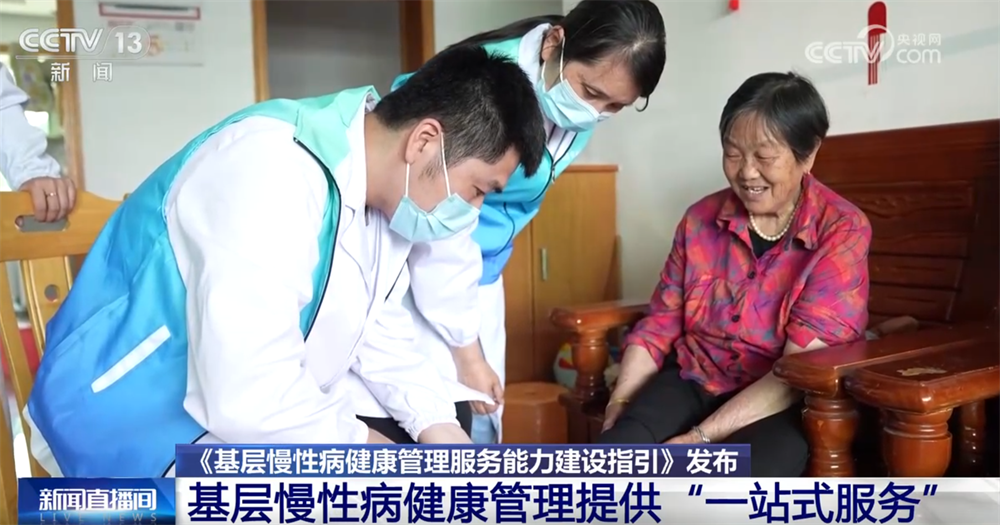
基层慢性病健康管理将迎“一站式服务”
Xin Hua She· 2025-11-20 11:19
Core Points - The National Health Commission of China released guidelines to enhance the capacity of grassroots chronic disease health management services, promoting a "one-stop" integrated service model [1][2] Group 1: Guidelines Overview - The guidelines outline five key areas for development, including chronic disease prevention, diagnosis, health management services, referral processes, and information flow [1] - It emphasizes the need for clear functional zoning in health service areas and treatment zones, ensuring smooth personnel movement and clear directional signage [1] - The guidelines call for the staffing of general practitioners, traditional Chinese medicine practitioners, public health doctors, pharmacists, and nurses to support chronic disease management [1] Group 2: Service Implementation - Grassroots chronic disease health management will focus on consultation, screening, diagnosis, treatment, follow-up, and health guidance [1] - Specific services include health consultations, appointment scheduling, health self-checks, collection of health information, family doctor contracts, tiered health management, referrals, follow-ups, health guidance, and data analysis [1] Group 3: Quality Management - The guidelines require grassroots medical institutions to strictly adhere to chronic disease health management service protocols, standardizing service processes and content [2] - Leading hospitals in tightly-knit medical alliances should enhance guidance and quality control for grassroots health institutions, continuously improving the quality of chronic disease management services [2]
在家门口享优质服务!我国加强基层慢性病健康管理
Xin Hua She· 2025-10-29 08:04
Core Viewpoint - The National Health Commission of China has released guidelines to enhance chronic disease health management services at the grassroots level, aiming to provide systematic, continuous, and high-quality services for chronic disease patients in urban and rural communities [1][2] Group 1: Implementation Timeline - By 2027, counties (cities, districts) with integrated medical communities are expected to achieve full-process chronic disease health management services, with increased utilization by chronic disease patients [1] - By 2030, a systematic and continuous service model for chronic diseases is to be widely applied at the grassroots level, further expanding the population benefiting from these services [1] Group 2: Service Integration - The guidelines emphasize the integration of chronic disease health management services, focusing on the roles of four types of institutions: township health centers, community health service centers, village clinics (community health service stations), and leading hospitals within integrated medical communities [1] - The role of public health institutions, such as disease prevention and control centers, is highlighted for providing technical guidance [1] Group 3: Service Focus Areas - The guidelines outline five key areas for improving chronic disease health management: risk assessment and services, classified and graded health management, multi-disease management, traditional Chinese medicine health services, and self-health management for patients [2]