外交关系调整

Search documents
萨赫勒国家对美旅行禁令实施对等反制
Shang Wu Bu Wang Zhan· 2026-01-06 16:44
Core Viewpoint - Burkina Faso, Mali, and Niger have announced retaliatory measures against the United States in response to President Trump's comprehensive travel ban, escalating diplomatic tensions between the U.S. and these West African nations [1] Group 1: Retaliatory Measures - Burkina Faso will implement reciprocal visa measures against U.S. citizens, citing the principle of reciprocity, reflecting a strong diplomatic stance [1] - Mali has also announced similar actions, stating that it will impose corresponding conditions on U.S. citizens [1] - Niger has aligned with Burkina Faso and Mali by announcing similar visa measures for U.S. citizens, reinforcing a unified regional front [1] Group 2: Broader Context - The dispute occurs amid a broader adjustment in relations between the Sahel region and Western powers, with Burkina Faso, Mali, and Niger increasingly emphasizing sovereignty, non-interference, and reciprocal cooperation [1] - The U.S. travel ban is set to take effect in January 2026, prohibiting citizens from the affected countries from entering the U.S., which analysts believe may further strain already fragile diplomatic relations [1]
韩国政府:中国排日本前面
Yang Shi Xin Wen· 2025-11-17 00:57
Group 1 - The South Korean government has unified the order of Northeast Asian countries' names to "Korea-China-Japan" based on Korean language usage habits [1][2] - This change contrasts with the previous administration's preference for "Korea-Japan-China" to emphasize Korea-Japan cooperation [2] - The current administration's move is seen as a gesture to improve relations with China, correcting the previous government's perceived bias towards Japan [3]
韩国政府宣布:中国排日本前面
Yang Shi Xin Wen Ke Hu Duan· 2025-11-16 08:19
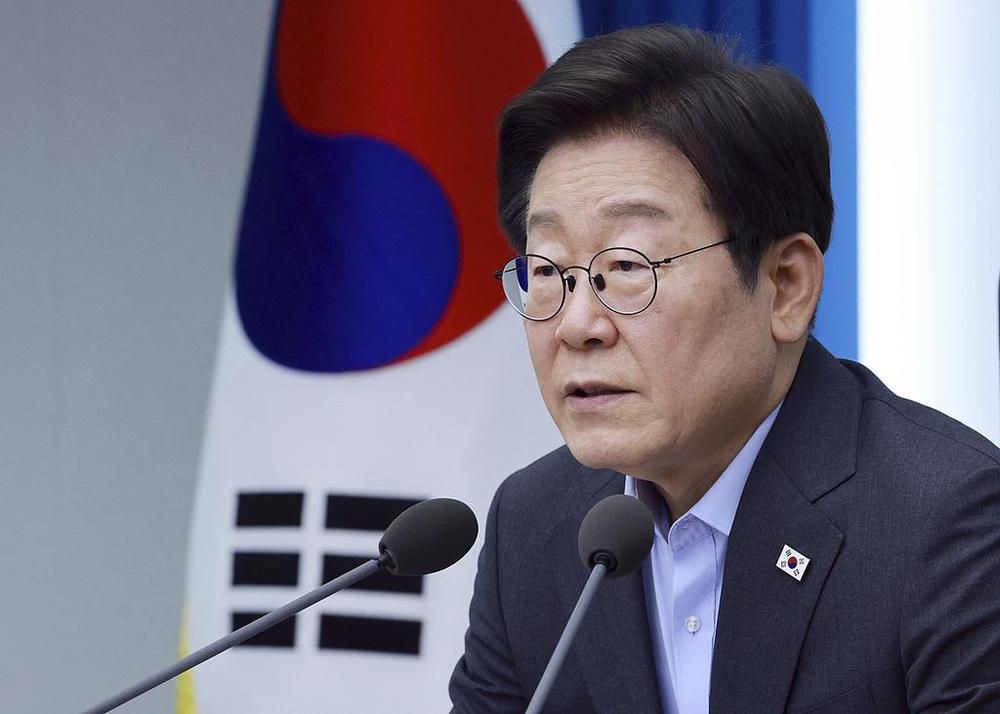
Core Viewpoint - The South Korean government has unified the order of naming Northeast Asian countries to "Korea-China-Japan," reflecting a shift in diplomatic stance towards China under President Lee Jae-myung's administration [2] Group 1: Government Actions - The change in naming order is based on the Korean language usage habits, with "Korea-China-Japan" being more commonly adopted in South Korean society [2] - The previous administration under President Yoon Suk-yeol had altered the order to "Korea-Japan-China" to emphasize cooperation with Japan [2] Group 2: Diplomatic Implications - This move is seen as a gesture to improve relations with China, indicating a potential shift in South Korea's foreign policy [2] - A current presidential office official stated that the previous government's pro-Japan stance disrupted diplomatic balance, and correcting this is viewed as the right approach [2]

韩国宣布:中国排日本前面
第一财经· 2025-11-16 08:06
Core Viewpoint - The South Korean government has unified the order of naming Northeast Asian countries to "Korea, China, Japan," reflecting a shift in diplomatic stance towards China under the current administration [1][3]. Group 1 - The change in naming order is based on the Korean language usage habits, with "Korea, China, Japan" being more commonly adopted by the Korean society [1]. - The previous administration under President Yoon Suk-yeol had altered the naming to "Korea, Japan, China" to emphasize cooperation with Japan [1]. - This move is seen as a gesture to improve relations with China, indicating a desire for a more balanced diplomatic approach [1][3].

委内瑞拉关闭驻挪威和澳大利亚大使馆
Yang Shi Xin Wen· 2025-10-13 17:53
Core Points - The Venezuelan government announced the closure of its embassies in Norway and Australia, while opening new diplomatic missions in Zimbabwe and Burkina Faso to strengthen alliances with Global South countries [1] - The decision is part of a "strategic resource reallocation" aimed at enhancing cooperation in agriculture, energy, education, mining, and other areas of mutual interest with the newly established diplomatic missions [1] - Diplomatic affairs and consular services for Venezuelan citizens in Norway and Australia will be managed through a "multinational diplomatic mission," with specific arrangements to be disclosed in the coming days [1]
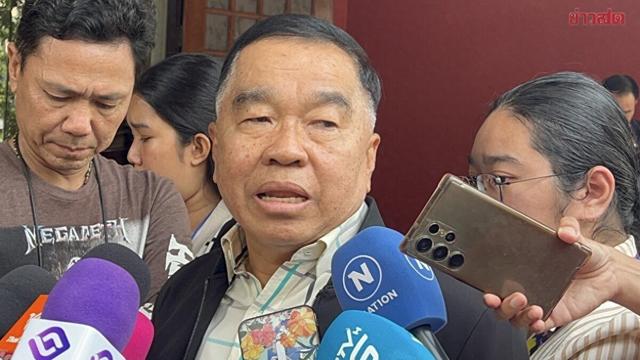
跟特朗普通完话,3小时后泰柬互相炮击并持续交火
Guan Cha Zhe Wang· 2025-07-27 09:46
Core Viewpoint - The ongoing border conflict between Thailand and Cambodia has escalated, with both sides exchanging accusations and failing to reach a ceasefire agreement despite U.S. President Trump's intervention [1][2][4]. Group 1: Conflict Developments - The border conflict has entered its fourth day, resulting in over a hundred casualties and the evacuation of more than 100,000 people to safety [7]. - Thailand's Defense Minister accused Cambodia of lacking sincerity in ceasefire negotiations, citing a recent artillery attack by Cambodia shortly after a call with Trump [2][5]. - Both countries have a long history of territorial disputes along their 817-kilometer border, leading to multiple small-scale conflicts over the years [7][8]. Group 2: Diplomatic Efforts - Thailand's Prime Minister expressed a desire for a ceasefire and urged the U.S. to facilitate bilateral talks with Cambodia to establish clear ceasefire measures [1][4]. - Cambodia's government spokesperson acknowledged Trump's proposal for a ceasefire as a positive signal, emphasizing the need for sincerity from Thailand [1][2]. - The Thai government has indicated a willingness to pursue diplomatic channels, but insists that military operations will continue until a formal ceasefire is established [4][5].