
外交对抗

Search documents
南非与以色列互相驱逐外交官
Xin Lang Cai Jing· 2026-02-01 06:56
Group 1 - South Africa's Department of International Relations and Cooperation declared Israel's acting ambassador to South Africa, Sedman, as "persona non grata," requiring him to leave within 72 hours due to multiple violations of diplomatic norms and provocations against South African sovereignty [1] - In retaliation, Israel designated South Africa's diplomatic representative in Israel, Banevelt, as "persona non grata" on the same day [1] - The tensions escalated as Israel's embassy in South Africa made derogatory comments about South African President Ramaphosa on social media, including labeling South Africa's legal actions against Israel as a "political show" [1][2] Group 2 - Israeli officials conducted unauthorized visits to South Africa's Eastern Cape province, meeting local leaders to discuss cooperation in various sectors, which South African officials criticized as a violation of diplomatic etiquette [2] - South Africa has historically supported the Palestinian cause, leading to strained relations with Israel, which were downgraded to liaison office level in 2019 [2] - The expulsion of diplomats indicates a significant diplomatic confrontation between the two nations, with analysts suggesting it may provoke a strong response from the U.S. government [2]

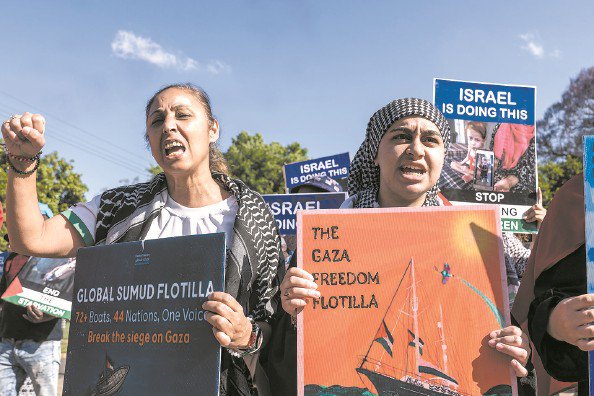
南非与以色列发生了什么
Xin Lang Cai Jing· 2026-01-31 18:30
Group 1 - South Africa's Department of International Relations and Cooperation declared Israeli Ambassador Ariel Sedman as "persona non grata," requiring him to leave within 72 hours due to multiple violations of diplomatic norms and provocations against South Africa's sovereignty [1][2] - In response, Israel designated South Africa's diplomatic representative Sean Edward Binevelt as "persona non grata," indicating a tit-for-tat diplomatic expulsion [1] - The tensions stem from Israel's social media posts that insulted South African President Cyril Ramaphosa and its unauthorized visits to South African institutions without prior notification [1][2] Group 2 - South Africa has historically supported the Palestinian liberation movement, leading to long-standing tensions with Israel, especially after significant events such as the 2018 Gaza conflict and the recent 2023 escalation between Israel and Hamas [3] - The South African Parliament called for the closure of the Israeli embassy and the cessation of all diplomatic relations following the government's lawsuit against Israel for alleged genocide in Gaza [3] - The expulsion of diplomats signifies a diplomatic confrontation, with limited political and diplomatic engagement expected in the short term [4] Group 3 - The situation may provoke a strong reaction from the United States, potentially leading to further deterioration in US-South Africa relations, which have been strained since 2025 [4][5] - The absence of ambassadors in both countries highlights the ongoing diplomatic rift, with recent events indicating a pessimistic outlook for future relations [5]
以色列南非互逐外交官
Xin Lang Cai Jing· 2026-01-31 14:19
Group 1 - South Africa expelled Israel's acting ambassador due to multiple violations of diplomatic norms, which included provocative actions against South African sovereignty and misuse of diplomatic privileges [1] - Israel responded by declaring South Africa's diplomatic representative as "unwelcome," indicating a significant escalation in diplomatic tensions between the two countries [1] - The tensions are rooted in South Africa's historical support for the Palestinian cause, with the government condemning Israel's actions in Gaza and previously downgrading diplomatic relations to a liaison office level [1] Group 2 - The expulsion of diplomats suggests that the relationship has deteriorated into a diplomatic confrontation, with limited political and diplomatic contact expected in the short term [1] - Analysts predict that South Africa's actions may provoke a strong response from the United States, potentially leading to further strain in US-South Africa relations, which have been tense since 2025 [1] - The current diplomatic climate indicates that both South Africa and Israel are unlikely to ease tensions in the near future, with ongoing issues surrounding international legal actions against Israel [1]
以色列、南非互逐外交官
Xin Lang Cai Jing· 2026-01-31 13:19
Core Viewpoint - The diplomatic relations between South Africa and Israel have deteriorated significantly, leading to the expulsion of diplomats from both countries due to perceived violations of diplomatic norms and provocations against national sovereignty [1][2][3]. Group 1: Reasons for Diplomatic Expulsion - South Africa's International Relations and Cooperation Department announced the expulsion of Israeli diplomat Ariel Sedman, citing multiple unacceptable violations of diplomatic norms and direct provocations against South Africa's sovereignty [1]. - The Israeli embassy in South Africa has made derogatory comments about South African President Cyril Ramaphosa and failed to inform South Africa about organized visits by its officials [1][2]. - Israeli officials conducted unauthorized visits to South African institutions, which were criticized by local leaders as violations of diplomatic etiquette and attempts to undermine South African sovereignty [2]. Group 2: Historical Context of South Africa-Israel Relations - South Africa has a long-standing support for the Palestinian cause, rooted in its own history of apartheid, which has contributed to its strained relations with Israel since the 1990s [3]. - Notable events include South Africa recalling its ambassador to Israel in 2018 following Israeli military actions in Gaza and downgrading diplomatic relations to a liaison office level in 2019 [3]. - Recent developments include South Africa's legal actions against Israel in the International Court regarding alleged genocide in Gaza, further straining relations [3]. Group 3: Future Outlook - The mutual expulsion of diplomats indicates a shift towards diplomatic confrontation, with limited political and diplomatic engagement expected in the near term [4]. - There are concerns that South Africa's actions may provoke a strong response from the United States, potentially leading to further deterioration in South Africa-U.S. relations, which have been tense since 2025 [4][5]. - The absence of ambassadors in both countries highlights the ongoing diplomatic rift, with no immediate resolution in sight [5].
热点问答丨互逐外交官 南非与以色列发生了什么
Xin Lang Cai Jing· 2026-01-31 12:15
Core Viewpoint - The diplomatic relations between South Africa and Israel have deteriorated significantly, leading to the mutual expulsion of diplomats, indicating a rise in diplomatic confrontation between the two nations [1][4]. Group 1: Reasons for Diplomatic Expulsion - South Africa's Department of International Relations and Cooperation declared Israeli diplomat Ariel Sedman as "persona non grata" due to multiple unacceptable violations of diplomatic norms, which were seen as direct provocations to South Africa's sovereignty [1][2]. - The Israeli embassy's social media posts mocking South African President Cyril Ramaphosa and criticizing the government's legal actions against Israel were cited as contributing factors to the expulsion [2]. - Unauthorized visits by Israeli officials to South African institutions without prior notification were also deemed a violation of diplomatic etiquette, prompting South Africa to assert its sovereignty [2][3]. Group 2: Historical Context of Tensions - South Africa has a long-standing support for the Palestinian cause, rooted in its own history of apartheid, which has contributed to its strained relations with Israel since the 1990s [3]. - Significant events include South Africa recalling its ambassador in 2018 following Israeli military actions in Gaza and downgrading diplomatic relations to a liaison office level in 2019 [3]. - Recent developments, including South Africa's legal actions against Israel for alleged genocide in Gaza, have further strained relations, with the South African Parliament calling for the closure of the Israeli embassy [3]. Group 3: Future Outlook - The mutual expulsion of diplomats suggests that the diplomatic confrontation between South Africa and Israel is likely to escalate, with limited political and diplomatic engagement expected in the short term [4]. - There are concerns that South Africa's actions may provoke a strong response from the United States, potentially leading to further deterioration in South Africa-U.S. relations, which have already been tense since 2025 [4][5]. - The absence of ambassadors in both countries and the appointment of a U.S. ambassador with a hardline stance towards South Africa indicates a challenging diplomatic landscape ahead [5].
五国警告美国!
Xin Lang Cai Jing· 2026-01-06 13:19
Group 1 - The diplomatic and political confrontation in the Western Hemisphere has intensified following the U.S. military action against Venezuela and the control of President Maduro [1] - President Trump has issued threats against several countries including Colombia, Mexico, Cuba, and Denmark, which has drawn strong reactions and warnings from international leaders [1][2] - Colombian President Petro has responded to Trump's threats by stating he will defend his presidency and has ordered military commanders loyal to foreign interests to resign [3] Group 2 - The U.S. military action in Venezuela resulted in the deaths of 32 Cuban citizens who were sent to Venezuela at the request of its government [4] - Cuban President Díaz-Canel condemned the U.S. actions as a crime and expressed willingness to sacrifice for the defense of Cuba and Venezuela [5] - Trump has also targeted Mexico, suggesting that military action against the country could be considered if it does not improve its efforts against drug trafficking [6] Group 3 - Mexican President Claudia Sheinbaum firmly opposed the idea of U.S. military presence in Mexico, emphasizing the need for mutual respect in cooperation against drug trafficking [7][8] - Sheinbaum stated that cooperation is acceptable, but subordination and interference are not, asserting that the Americas belong to the people of each country [8] - Trump's comments about Greenland and potential military actions have provoked a strong response from Denmark, with Prime Minister Frederiksen warning that such actions would end NATO as a military alliance [9][10]