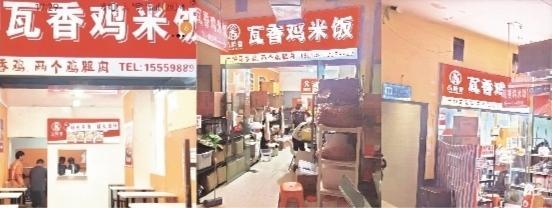
外卖店虚假宣传

Search documents
你的外卖,真来自可信的实体店?
Xin Lang Cai Jing· 2025-12-19 22:31
Core Viewpoint - The article highlights the issue of "ghost kitchens" and the misleading use of the "dine-in" label on food delivery platforms, raising concerns about food safety and consumer trust in the restaurant industry [5][10]. Group 1: Misleading Labels - Many restaurants labeled as "dine-in" on delivery platforms do not provide actual dining facilities, with some having inadequate space or being cluttered with food supplies [6][8]. - The article mentions specific examples of restaurants that falsely advertise their dining capabilities, such as "瓦香鸡米饭" and "钟记东北麻辣烫," which do not meet consumer expectations based on their online representations [7][9]. Group 2: Consumer Trust and Safety - Consumers often choose restaurants with the "dine-in" label due to perceived safety and legitimacy, but the reality may not align with these expectations, leading to a potential erosion of trust [9][10]. - The article emphasizes the need for stricter regulations and standards for the use of the "dine-in" label to ensure that it reflects the actual conditions of the restaurants [10]. Group 3: Regulatory Recommendations - The article calls for food delivery platforms to implement more rigorous verification processes, including regular on-site inspections and the use of technology to detect false advertising [10]. - It also urges regulatory bodies to establish clear standards for the "dine-in" label to ensure consistency between online representations and physical realities [10].