外卖补贴大战降温

Search documents
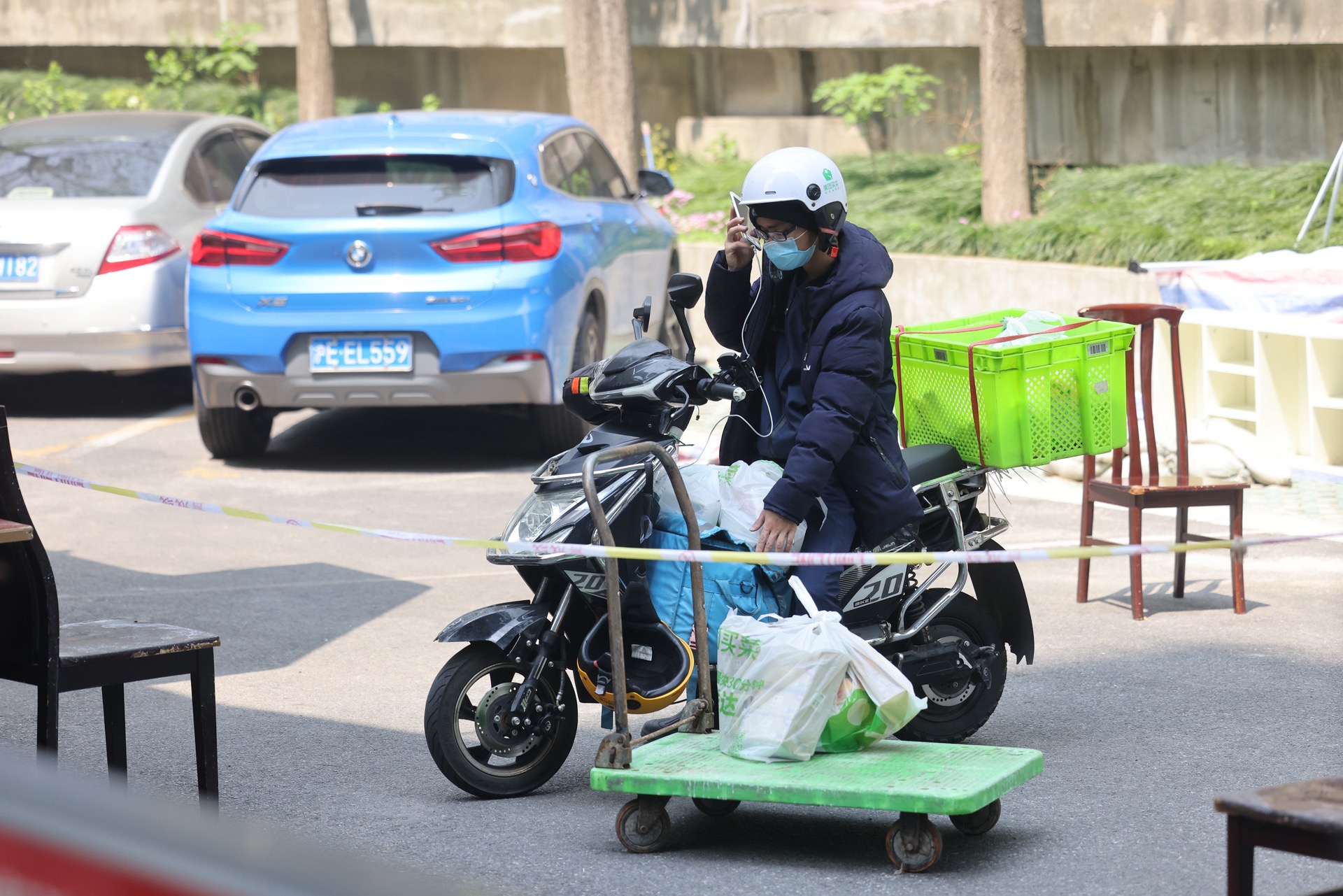
“配送慢”上热搜,外卖补贴战降温,配送压力反变大了?
Di Yi Cai Jing· 2025-08-18 13:22
Core Viewpoint - The competition among food delivery platforms is shifting from price wars to service quality, as consumer sensitivity to delivery performance increases following the reduction of subsidies [1][2]. Group 1: Delivery Issues - Users have expressed dissatisfaction with slow delivery times, with over 90 complaints noted on social media platforms in the past week, highlighting issues such as delivery times exceeding one hour and lack of available riders [1]. - The summer peak period has seen significant delivery chaos, with promotions leading to overwhelming demand that outstrips supply, resulting in order cancellations and delays [1]. Group 2: Rider Statistics - The number of delivery riders has significantly increased, with Ele.me reporting a 181% growth in active riders and a 236% increase in crowd-sourced riders by the end of July [2]. - In August, Ele.me's total number of riders reached 3.5 times that of the previous year, while JD reported 25 million daily orders in Q2, supported by over 150,000 full-time riders [2]. Group 3: Operational Challenges - Despite the increase in rider numbers, the distribution of riders may vary by region and time, complicating the ability to meet delivery demands during peak hours [3]. - Systemic issues, such as discrepancies in estimated delivery times between merchants and riders, as well as inefficient navigation routes, contribute to delays and require optimization [3]. Group 4: Competitive Landscape - Meituan is pushing for a "15-minute delivery" model, which has attracted user interest, although actual delivery times often exceed this promise, leading to consumer complaints [5]. - The competition is now focused on three main areas: user engagement, merchant partnerships, and rider resources, with a shift from acquiring new users to maximizing the value of existing ones [5].