多元宗教中国化

Search documents
2025年,新疆考古的新收获与新故事
Xin Lang Cai Jing· 2026-02-14 03:01
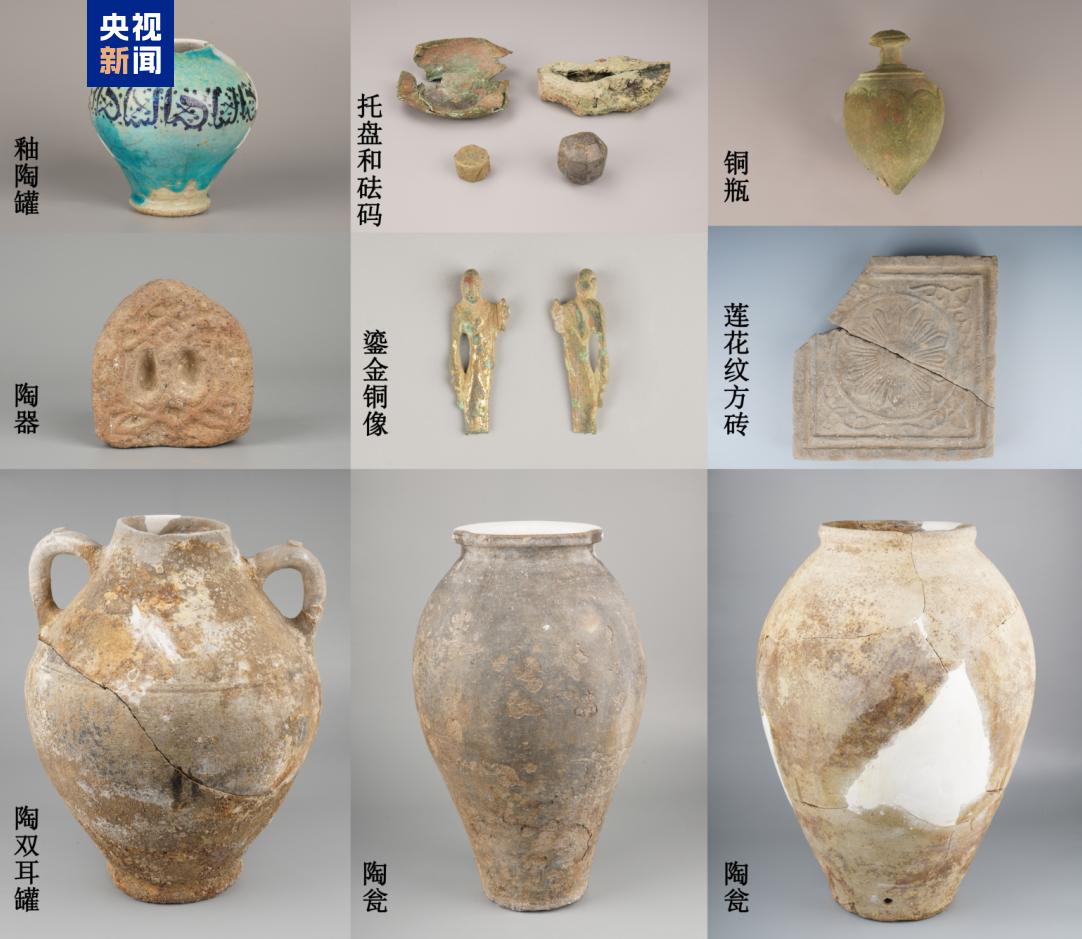
Core Insights - The "2025 Xinjiang Archaeological Work Report Conference" highlighted significant archaeological findings in Xinjiang, focusing on the region's historical development, multi-religious evolution, early civilization studies, and technological archaeology [1][2][14] - The conference showcased 12 proactive archaeological projects and 205 archaeological investigations, emphasizing Xinjiang's importance in the study of Chinese civilization [1][14] Group 1: Historical Development and Governance - The archaeological discoveries from the Han and Jin dynasties reveal the evolution of material remains, cultural identity, and socio-economic development in Xinjiang, showcasing the unity of Chinese civilization [2] - Excavations at the Badamdong Tomb Group and the Kucha Friendship Road Tomb Group provide insights into the governance of the Tang dynasty in Xinjiang, with significant findings such as family tombs and artifacts indicating high-ranking officials [2][3] Group 2: Multi-Religious Development - The findings from various sites, including the Xipang Church and the Kucha Subash Buddhist Temple, illustrate the coexistence of multiple religions in Xinjiang, reflecting the region's historical role as a cultural exchange hub along the Silk Road [7][8] - The archaeological evidence of Buddhist, Nestorian, and Manichaean sites highlights the integration and Chinese adaptation of diverse religious practices in Xinjiang [7][8] Group 3: Early Civilization Studies - Excavations at sites like the Hohshta and Jirentai demonstrate the complexity of early settlements and burial practices in Xinjiang, contributing valuable data to the understanding of early Chinese civilization [10][11] - The discovery of high-status burial sites and artifacts from the Bronze Age indicates a rich cultural landscape and social organization in the region [10] Group 4: Technological and Cultural Exchange - The archaeological work has revealed evidence of early metal smelting and glass production techniques, showcasing technological advancements in Xinjiang dating back to the 4th century BC [13] - The findings from the West Side Church site indicate the introduction of tea culture in the region during the Tang dynasty, marking a significant cultural exchange [13]

2025年新疆考古成果丰硕:唐代官员墓志揭示中央治理体系
Yang Shi Xin Wen· 2026-02-09 06:52
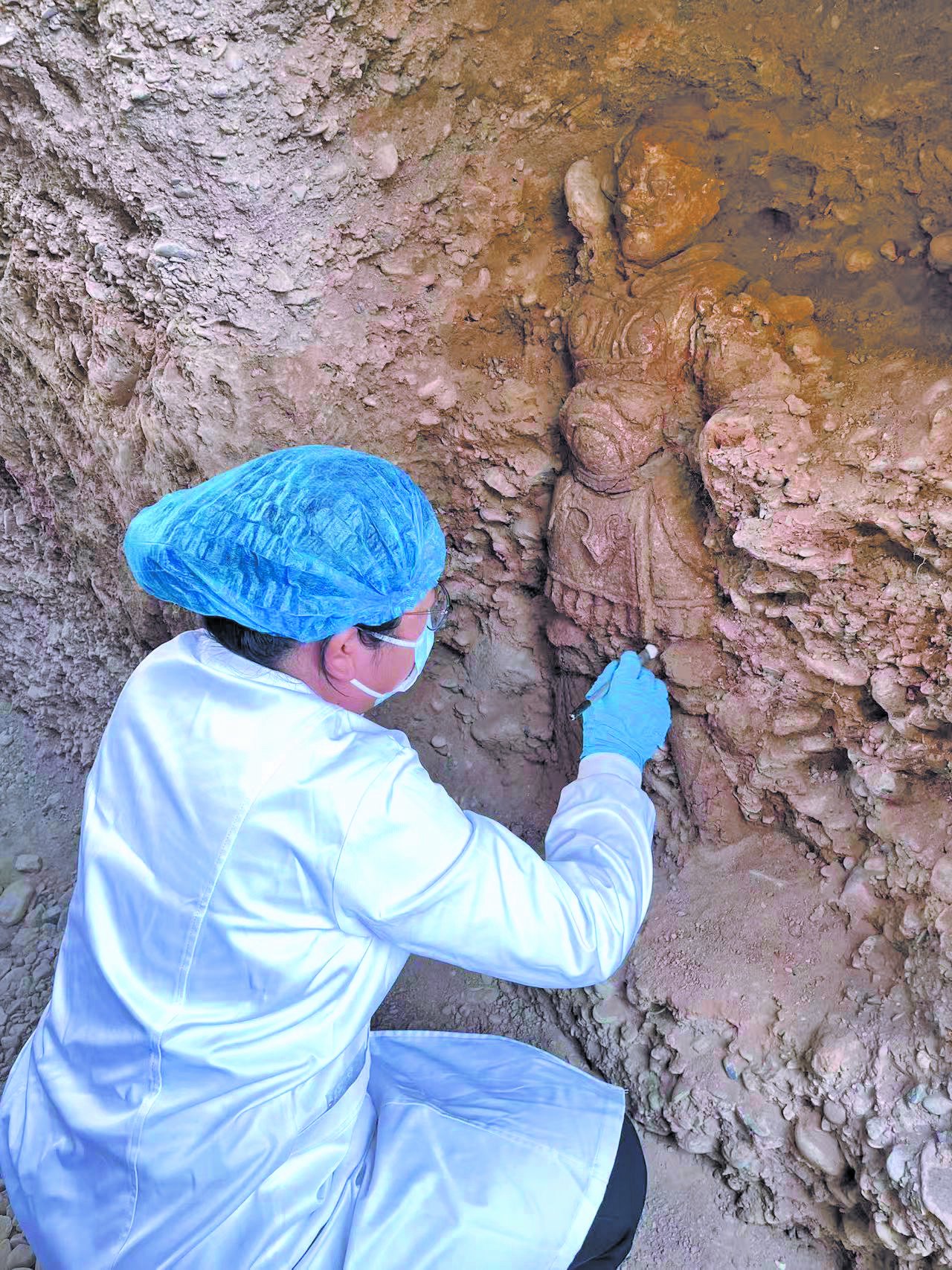
Core Insights - The 2025 Xinjiang Archaeological Work Report Conference highlighted significant archaeological findings in Xinjiang, showcasing the region's historical governance by central powers throughout various dynasties [1][3]. Group 1: Archaeological Discoveries - In the past year, Xinjiang implemented 12 proactive archaeological excavation projects and collaborated on 205 basic construction archaeological projects, marking a significant step in international archaeological cooperation, particularly in Central Asia [3]. - Three major discoveries were announced, including the tombs of Tang Dynasty officials, which provide new insights into the governance system of the Tang central authority in Xinjiang [1][5]. - The tomb inscriptions found in these Tang tombs document the officials' careers in the Western Regions, illustrating the central government's deep involvement in administrative management and personnel appointments [5][9]. Group 2: Historical Context - The findings from the Kucha City Friendship Road tomb group confirm that the ancient city of Kucha was the site of the Tang Dynasty's Anxi Protectorate, contributing valuable data for understanding military and administrative structures in the region during the Tang to Yuan dynasties [14]. - The archaeological evidence collectively demonstrates the strong cohesion and unifying power of Chinese civilization throughout history [14]. Group 3: Cultural Exchange and Religious Diversity - Archaeological discoveries indicate that Xinjiang maintained close cultural exchanges with the Central Plains as early as the pre-Qin period, reflecting a long history of interaction [10]. - Excavations at various sites, such as the Tokuzi Kaznak site and the Hohlar Mountain Temple site, provide new materials for understanding the early development of Buddhism and the presence of Manichaeism in the region [15][16]. Group 4: Technological Advancements in Archaeology - Technological innovations are advancing archaeological research in Xinjiang, allowing for detailed analysis of small artifacts, which helps reconstruct ancient trade networks and technological transmission paths along the Silk Road [19]. - Research on smelting sites in Kucha has pushed back the archaeological evidence for the use of coal in iron smelting by nearly a thousand years, showcasing the integration of technology and archaeology [19].