新疆考古

Search documents
2025年,新疆考古的新收获与新故事
Xin Lang Cai Jing· 2026-02-14 03:01
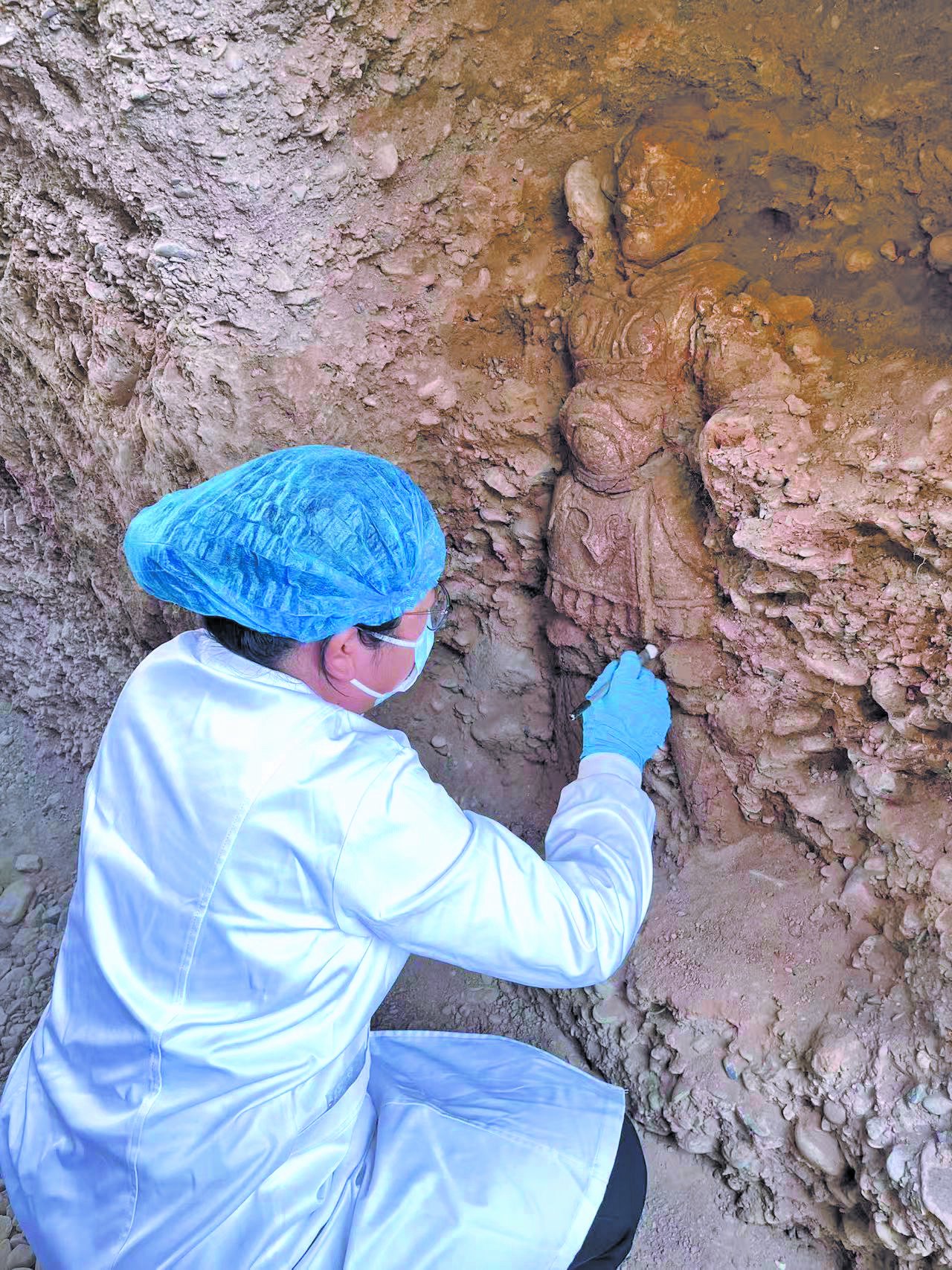
Core Insights - The "2025 Xinjiang Archaeological Work Report Conference" highlighted significant archaeological findings in Xinjiang, focusing on the region's historical development, multi-religious evolution, early civilization studies, and technological archaeology [1][2][14] - The conference showcased 12 proactive archaeological projects and 205 archaeological investigations, emphasizing Xinjiang's importance in the study of Chinese civilization [1][14] Group 1: Historical Development and Governance - The archaeological discoveries from the Han and Jin dynasties reveal the evolution of material remains, cultural identity, and socio-economic development in Xinjiang, showcasing the unity of Chinese civilization [2] - Excavations at the Badamdong Tomb Group and the Kucha Friendship Road Tomb Group provide insights into the governance of the Tang dynasty in Xinjiang, with significant findings such as family tombs and artifacts indicating high-ranking officials [2][3] Group 2: Multi-Religious Development - The findings from various sites, including the Xipang Church and the Kucha Subash Buddhist Temple, illustrate the coexistence of multiple religions in Xinjiang, reflecting the region's historical role as a cultural exchange hub along the Silk Road [7][8] - The archaeological evidence of Buddhist, Nestorian, and Manichaean sites highlights the integration and Chinese adaptation of diverse religious practices in Xinjiang [7][8] Group 3: Early Civilization Studies - Excavations at sites like the Hohshta and Jirentai demonstrate the complexity of early settlements and burial practices in Xinjiang, contributing valuable data to the understanding of early Chinese civilization [10][11] - The discovery of high-status burial sites and artifacts from the Bronze Age indicates a rich cultural landscape and social organization in the region [10] Group 4: Technological and Cultural Exchange - The archaeological work has revealed evidence of early metal smelting and glass production techniques, showcasing technological advancements in Xinjiang dating back to the 4th century BC [13] - The findings from the West Side Church site indicate the introduction of tea culture in the region during the Tang dynasty, marking a significant cultural exchange [13]

新中国新疆考古拓荒者
Ren Min Ri Bao· 2025-08-01 22:00
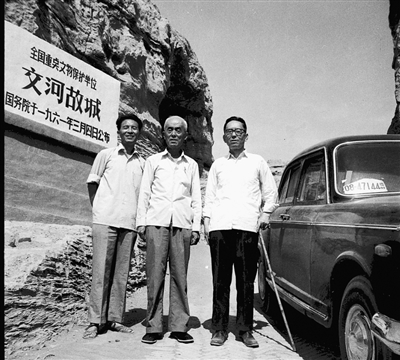
Core Viewpoint - The article highlights the significant contributions of Wang Binghua to archaeology in Xinjiang, showcasing his discoveries and the impact of his work on understanding the region's historical and cultural evolution [1][2][4]. Group 1: Contributions to Archaeology - Wang Binghua's archaeological career spanned over 40 years, during which he conducted extensive fieldwork across Xinjiang, including five expeditions to Loulan and leading the Sino-Japanese cooperative investigations at the Niya site for seven consecutive years [1][2]. - His notable discoveries include the "Five Stars Rising in the East Benefits China" tapestry and a dual burial tomb from the Eastern Han to Wei-Jin period, which was recognized as one of the top archaeological finds of 1995 [2][4]. - Wang's work at various archaeological sites, such as the ancient city of Gaochang and the Astana tombs, marked the beginning of a new phase in Xinjiang archaeology, drawing global attention to the region [2]. Group 2: Academic Influence - After retiring from fieldwork, Wang transitioned to academia, where he became a professor at Renmin University, sharing his extensive knowledge and experiences with students, making his classes highly popular [4]. - He authored 27 works, including archaeological reports and popular science books, emphasizing the importance of integrating archaeological findings with historical texts to provide a comprehensive understanding of Xinjiang's history [4][5]. - Wang's dedication to research continued into his later years, with multiple articles published up to 2024, reflecting his ongoing commitment to the field of archaeology [4].