多民族融合

Search documents
洞藏锦绣六百年
Ren Min Ri Bao· 2026-01-24 06:16
Core Viewpoint - The discovery of 67 pieces of valuable artifacts from the Yuan Dynasty in the "Pigeon Cave" of Hebei's Longhua County has garnered significant attention, showcasing the rich textile culture and craftsmanship of the era [1][3]. Group 1: Artifacts and Their Significance - The artifacts include rare cotton garments, such as a "white cotton waist-narrow sleeve pleated robe," which reflects the practical design suited for horseback riding, indicating the lifestyle of nomadic cultures [1][2]. - The collection features exquisite embroidery items, including "green dark flower brocade knee pads" and "white dark flower brocade knee pads," which are among the few surviving examples from the Yuan Dynasty, highlighting the blend of natural imagery and daily life aesthetics [2][3]. - The textiles also include various "bannai" half-finished products and remnants, providing a unique historical perspective that contrasts with the ceremonial completeness of burial artifacts, thus revealing a more authentic glimpse into everyday life during that period [2][3]. Group 2: Cultural Exchange and Craftsmanship - The artifacts reflect the cultural exchange during the Yuan Dynasty, showcasing both Mongolian and Han Chinese clothing styles, which illustrates the era's multi-ethnic integration [3][4]. - The use of gold thread in textiles, a trend during the Yuan Dynasty, signifies the influence of foreign craftsmanship, with materials like "green cloud pattern gold brocade" representing the sophisticated weaving techniques of the time [3][4]. - The intricate patterns on the textiles, primarily based on Han Chinese themes, demonstrate a transition in weaving techniques from the Song Dynasty to the Ming and Qing Dynasties, marking an important evolution in textile craftsmanship [4]. Group 3: Restoration Efforts - The restoration of these artifacts, initiated by the National Cultural Heritage Administration in 2006, involves meticulous scientific methods to address issues like decay, pollution, and severe damage [4][5]. - The restoration process employs advanced techniques, combining traditional sewing methods with modern technology, ensuring that the repairs maintain the original characteristics of the artifacts [5]. - The successful restoration of these textiles not only preserves their historical value but also celebrates the craftsmanship of the Yuan Dynasty, providing a vivid representation of the era's social landscape [5].
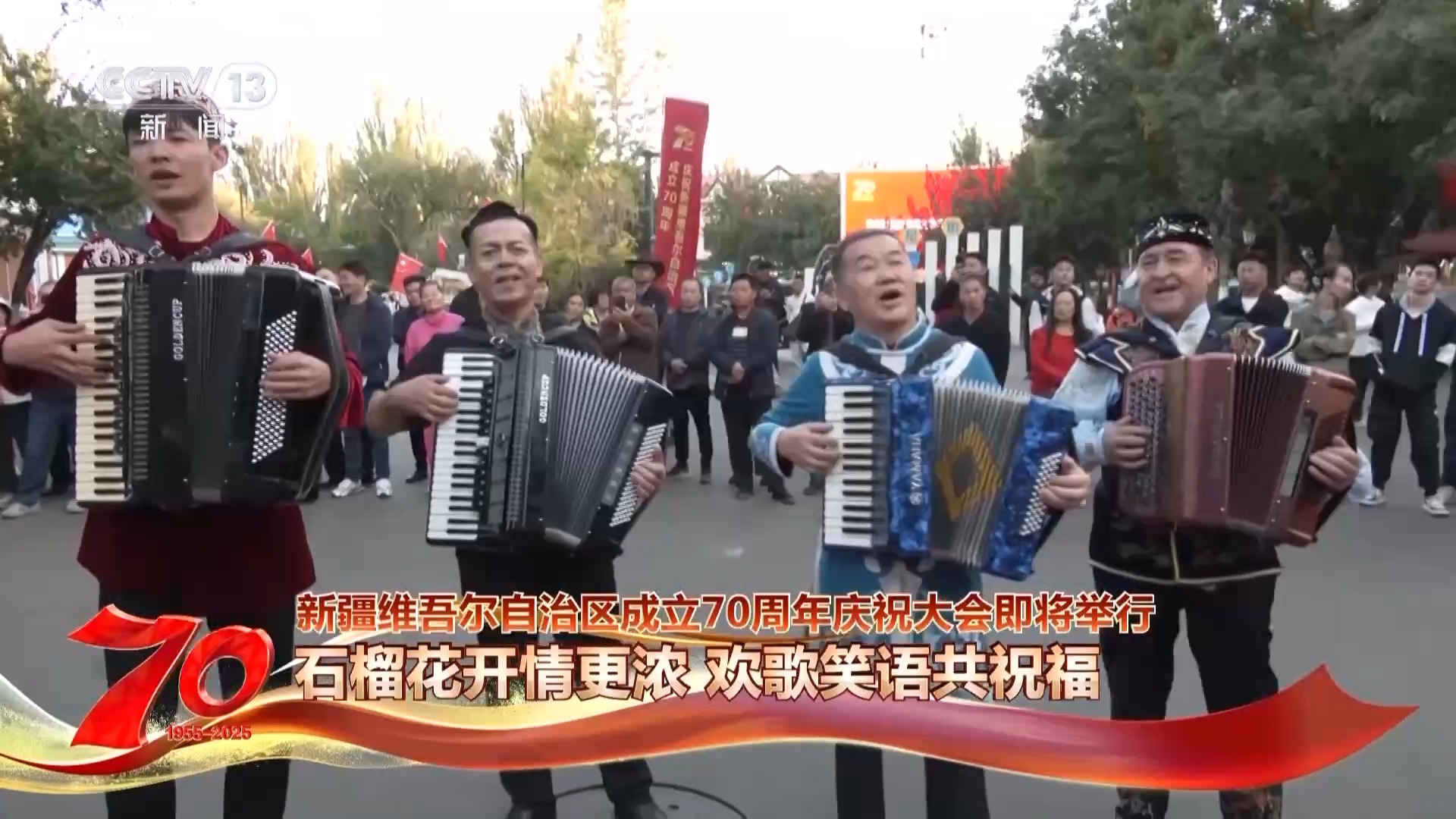
喝奶茶 品美食 感受幸福的味道!多民族在六星街共享幸福家园
Yang Shi Xin Wen Ke Hu Duan· 2025-09-25 07:18
Group 1 - The core idea of the article highlights the transformation of the Six-Star Street in Yining, Xinjiang, into a popular tourist destination, showcasing its unique cultural and culinary offerings [1][3] - Six-Star Street features a diverse community with over 3,000 residents from 13 different ethnic groups, promoting cultural exchange and harmony among the locals [1][3] - The street has become a vibrant hub for tourists, who can experience local culture and take home unique Xinjiang products [3] Group 2 - The market at Six-Star Street offers a variety of handicrafts and local products, including colorful hats and fridge magnets, enhancing the shopping experience for visitors [5] - A flower car decorated with fresh lavender showcases local products such as essential oils, handmade soaps, and aromatherapy items, appealing to both aesthetic and sensory experiences [7] - The local community actively participates in cultural events, sharing traditional foods and drinks like milk tea with visitors, fostering a sense of joy and togetherness [8]