文物保护与展览

Search documents
洞藏锦绣六百年
Ren Min Ri Bao· 2026-01-24 06:16
Core Viewpoint - The discovery of 67 pieces of valuable artifacts from the Yuan Dynasty in the "Pigeon Cave" of Hebei's Longhua County has garnered significant attention, showcasing the rich textile culture and craftsmanship of the era [1][3]. Group 1: Artifacts and Their Significance - The artifacts include rare cotton garments, such as a "white cotton waist-narrow sleeve pleated robe," which reflects the practical design suited for horseback riding, indicating the lifestyle of nomadic cultures [1][2]. - The collection features exquisite embroidery items, including "green dark flower brocade knee pads" and "white dark flower brocade knee pads," which are among the few surviving examples from the Yuan Dynasty, highlighting the blend of natural imagery and daily life aesthetics [2][3]. - The textiles also include various "bannai" half-finished products and remnants, providing a unique historical perspective that contrasts with the ceremonial completeness of burial artifacts, thus revealing a more authentic glimpse into everyday life during that period [2][3]. Group 2: Cultural Exchange and Craftsmanship - The artifacts reflect the cultural exchange during the Yuan Dynasty, showcasing both Mongolian and Han Chinese clothing styles, which illustrates the era's multi-ethnic integration [3][4]. - The use of gold thread in textiles, a trend during the Yuan Dynasty, signifies the influence of foreign craftsmanship, with materials like "green cloud pattern gold brocade" representing the sophisticated weaving techniques of the time [3][4]. - The intricate patterns on the textiles, primarily based on Han Chinese themes, demonstrate a transition in weaving techniques from the Song Dynasty to the Ming and Qing Dynasties, marking an important evolution in textile craftsmanship [4]. Group 3: Restoration Efforts - The restoration of these artifacts, initiated by the National Cultural Heritage Administration in 2006, involves meticulous scientific methods to address issues like decay, pollution, and severe damage [4][5]. - The restoration process employs advanced techniques, combining traditional sewing methods with modern technology, ensuring that the repairs maintain the original characteristics of the artifacts [5]. - The successful restoration of these textiles not only preserves their historical value but also celebrates the craftsmanship of the Yuan Dynasty, providing a vivid representation of the era's social landscape [5].
布达拉宫“见证与守望”讲述各民族交往交流交融故事
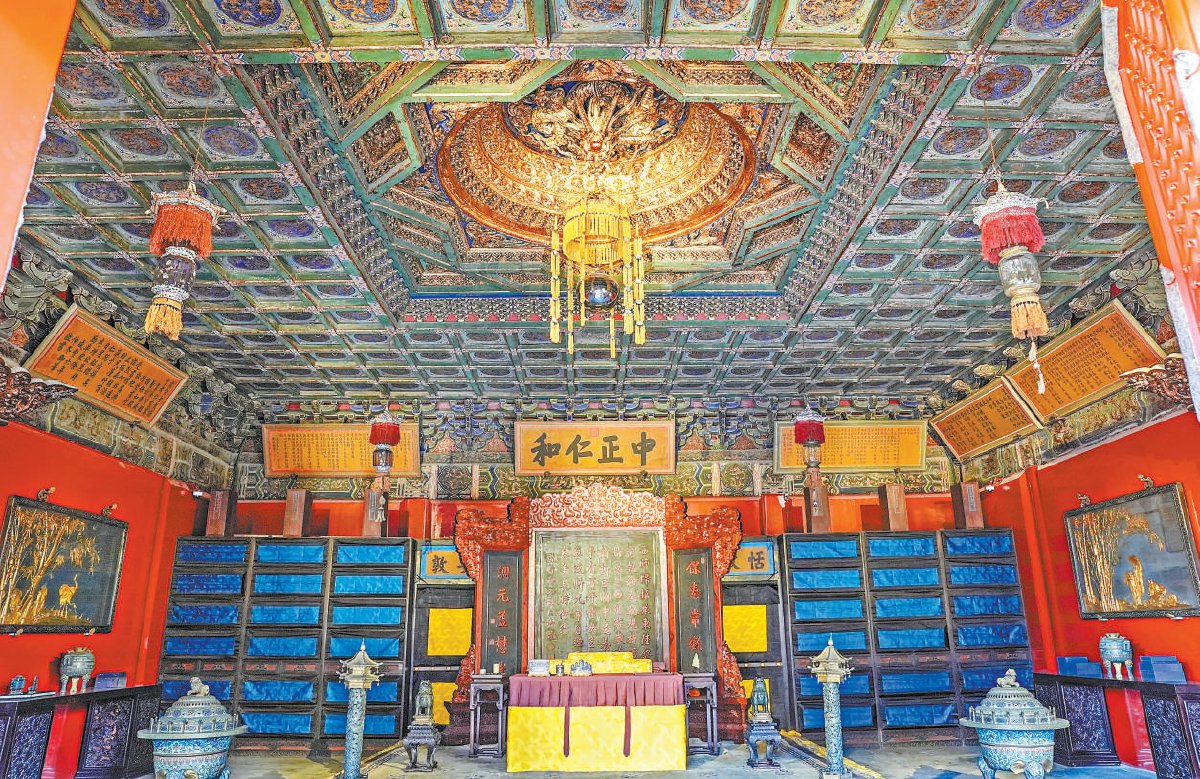
Xin Lang Cai Jing· 2026-01-10 13:17
Group 1 - The Tibet Autonomous Region emphasizes the importance of cultural relics in strengthening the awareness of the Chinese national community and promoting the construction of the Chinese national community [2] - Over the past 60 years, the cultural relics work in Tibet has evolved from a weak foundation to a well-established system, improving protection status and expanding utilization [2] - The "Witness and Guardian" exhibition, hosted by the Tibet Autonomous Region Cultural Relics Bureau, has attracted over 500,000 visitors since its opening, averaging over 2,000 visitors daily [2] Group 2 - Recent years have seen the implementation of multiple local cultural relic protection regulations, including a comprehensive plan for the protection and utilization of the Potala Palace [3] - The Tibet Museum's new exhibition hall aims to deeply explore and promote the historical facts of ethnic exchanges and interactions, showcasing Tibet's history and culture [3] - Archaeological projects in Tibet, such as the Meilongdap and Mazuocuo sites, reveal early human activities and connections between Tibet and other regions dating back 4,800 years [3] Group 3 - The "Witness and Guardian" exhibition utilizes the expertise of Potala Palace researchers to present the historical connections between Tibet and the central government through various artifacts [5] - Innovative display techniques, such as low-oxygen display cases and 3D technology, enhance visitor experience while ensuring the safety of cultural relics [5] - The exhibition features significant artifacts, including a Ming Dynasty statue, which reflects the historical relationship between Tibet and the central government [5] Group 4 - The exhibition integrates multidisciplinary research and innovative protection methods, illustrating the historical interactions between Tibet and the central plains [6] - Digital technologies are employed to present the construction history and maintenance of the Potala Palace, enhancing the understanding of its architectural aesthetics [6] - A dual-mode approach combining digital and physical exhibitions is adopted to preserve fragile artifacts while allowing interactive experiences for visitors [6] Group 5 - The exhibition effectively communicates the enduring history of various ethnic groups in Tibet, showcasing the high-quality development of cultural relics in the region [6] - A multilingual guide system and various media formats are used to promote Tibetan culture globally, making the exhibition accessible to a wider audience [6] - Collaborations with mainstream media and educational institutions enhance the exhibition's professional influence and outreach [7]


重开养心殿
Xin Lang Cai Jing· 2025-12-26 07:45
Core Viewpoint - The Palace Museum's Yangxin Hall has undergone a 10-year restoration and research project, reopening to the public with improved preservation of over 1,020 artifacts, while maintaining the historical ambiance [2][6]. Group 1: Restoration and Preservation - The restoration project involved the removal of over 1,800 artifacts at the start, with a focus on improving the indoor preservation environment [2]. - The East Warm Pavilion has been restored to reflect the "Curtain Listening to Politics" period, while the main hall's layout during small court meetings has been recreated [6]. - The restoration included significant changes in decoration, such as reverting the East Warm Pavilion's wallpaper to a plain white design based on historical records [6][7]. Group 2: Techniques and Innovations - Advanced techniques like 3D scanning and manual surveying were employed to assess and categorize the condition of various decorative elements, leading to tailored preservation strategies [7]. - The restoration of the hall's plaque involved a "no-damage" repair method using 3D scanning to create precise replacement pieces, preserving historical integrity [8]. Group 3: Artifacts and Historical Context - The restoration process included the protection and repair of nearly 500 artifacts, 120 sets of interior decorations, and various other historical items, emphasizing the importance of research in the preservation process [7]. - The Yangxin Hall's historical significance is highlighted by its connection to the Qing Dynasty, with specific attention to the aesthetic preferences of emperors like Qianlong [2][6].