大模型行动力

Search documents
AI越强,科技股越慌?
3 6 Ke· 2026-02-06 11:30
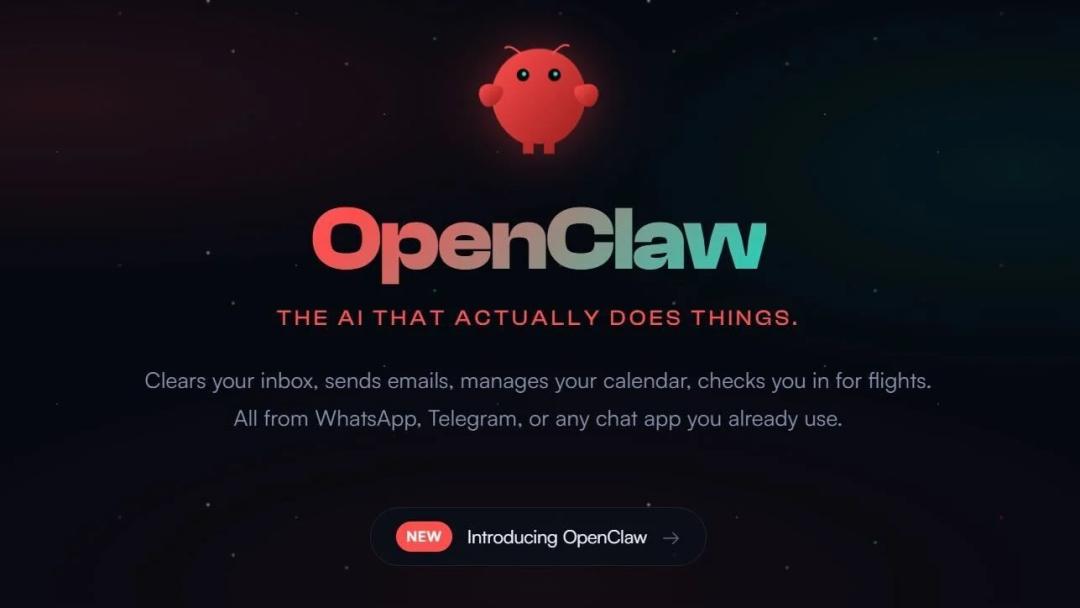
Group 1 - Anthropic and OpenAI released new AI models, Claude Opus 4.6 and GPT-5.3 Codex, respectively, with significant advancements in AI capabilities [1][11] - The market reacted negatively, with the Nasdaq index dropping approximately 1.6% and the iShares Expanded Tech-Software ETF declining over 15% year-to-date [1][2] - The software sector experienced a significant sell-off, with a loss of about $285 billion in market value on February 4, 2026, and Goldman Sachs' software basket index recording its largest single-day drop since April 2025 [2][3] Group 2 - The introduction of the Cowork plugin by Anthropic allowed AI assistants to perform complex tasks, leading to a drastic decline in software and financial services stocks [2][3] - Specific companies like Thomson Reuters and RELX saw stock drops of 16% and 14%, respectively, marking significant losses in the legal and professional information sectors [2] - The broader software basket index from Goldman Sachs has lost approximately $2 trillion in market value, reflecting a 30% decline from its peak [2] Group 3 - The release of Claude Opus 4.6 was associated with a 10% drop in the financial data terminal FactSet, indicating a competitive threat to traditional financial services [3][11] - OpenClaw, an open-source AI agent, gained popularity rapidly, highlighting a shift towards more autonomous AI capabilities that could disrupt existing software models [4][6] - The AI models are increasingly emphasizing "Action" capabilities, which could fundamentally change the business models of traditional software companies [8][19] Group 4 - Companies are facing a dilemma in balancing AI investments with existing IT budgets, as many organizations report feeling they are overspending on AI [16][17] - Major tech companies are projected to spend over $500 billion on AI investments in 2026, significantly increasing their capital expenditures compared to previous years [17][19] - The shift towards AI is not merely enhancing existing business models but is actively disrupting them, leading to a reevaluation of traditional revenue streams [20]