大类招生

Search documents
2026高考招生严控大类招生数量
Xin Lang Cai Jing· 2026-01-22 04:45
【#2026高考招生严控大类招生数量#】#2026高考招生优化专业组设置# 据央视新闻,教育部今天(22 日)发布通知,对2026年普通高校招生工作进行部署。2026年高考全国统考将于6月7日、8日举行,教 育部将进一步加大招生计划宏观调控力度,要求各地各高校着力优化调整学科专业设置,着力提高人才 培养适配程度。在2026年招生工作中,教育部要求高校严控大类招生的数量和规模,在实行院校专业组 投档的省份,进一步优化专业组设置,提升考生专业志愿满足率。同时要求各地进一步深化高中育人方 式改革,构建科学、系统、贯穿高中全程的指导体系,引导学生理性选考选科。 转自:京报网_北京日报官方网站 ...
2025高考志愿填报在即 一文读懂大类招生与“云咨询”攻略
Yang Shi Wang· 2025-06-21 03:48
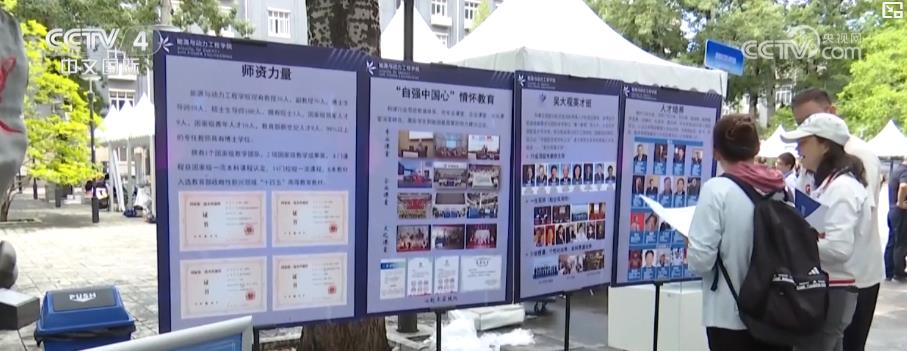
央视网消息:2025年高考志愿填报将于6月下旬陆续展开。现在,很多高校普遍采用的招生方式是"大类招生",什么是大类招 生?与普通专业招生有何不同?志愿填报时有哪些注意事项?一起来了解一下。 山东省实验中学升学指导中心主任 高良元:比如说,它会把一些弱势的专业融到相对强势的专业当中,整体的分数线不会低 太多。 北京化工大学招生办公室主任 李庆:要了解学校的分流政策,比如说什么时候分流,怎么分流,到底是按志愿分流,还是按 照你的在校的学业表现,还是按照比如说综合的情况进行分流的。 部分学校推行小类招生 "锁定"专业方向 大类招生为考生提供更灵活的选择空间 大类招生是指高校将相同或相近学科门类,通常是同院系的专业合并,按一个大类招生。学生入校后,经过一段时间的基础 培养,再根据兴趣和双向选择原则进行专业分流。目前,各高校的大类招生有三种常见的实施模式:一是将相同或相近学科门类 下的多个专业进行有机整合,打包为一个招生大类,例如,"经济学类"可能涵盖了金融学、国际经济与贸易、财政学等专业;二 是按院系招生,将同一学院内的多个专业合并为一个大类进行招生。三是以试验班、基地班、书院等模式进行招生,往往涵盖了 交叉学科或独 ...

大类招生,取消
Hu Xiu· 2025-05-08 10:52
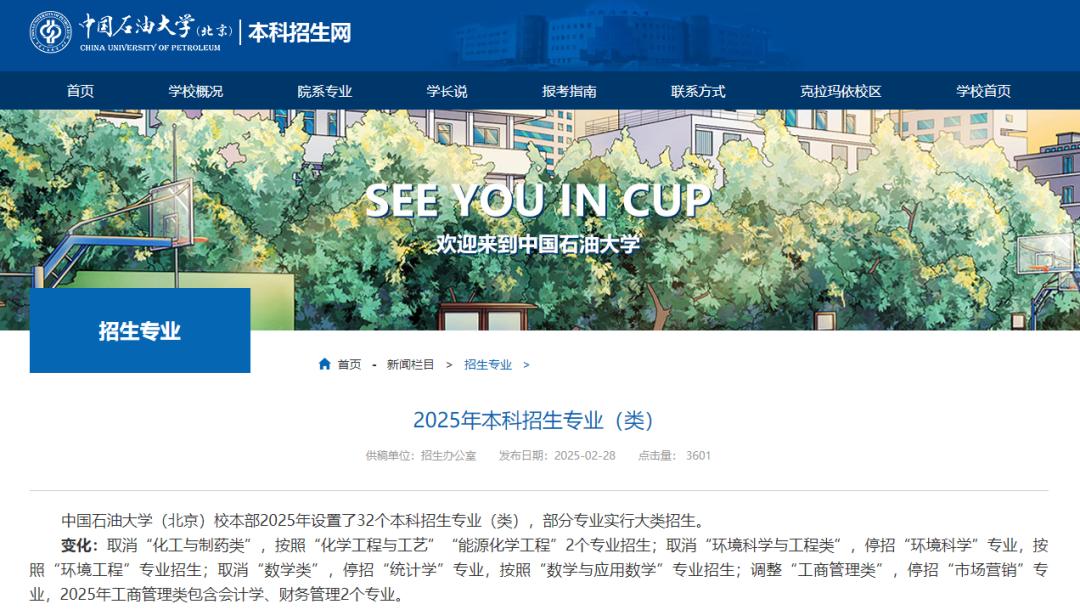
Core Viewpoint - The recent changes in undergraduate admissions at Chinese universities indicate a trend towards the cancellation of "big category" admissions, with specific majors being directly recruited instead, reflecting a shift in educational policy and student preferences [1][11][23]. Summary by Relevant Sections Changes in Admissions - China University of Petroleum (Beijing) has announced the cancellation of "big category" admissions for certain majors, specifically eliminating "Chemical and Pharmaceutical Category" and "Environmental Science and Engineering Category," and introducing direct admissions for specific majors like "Chemical Engineering and Technology" and "Environmental Engineering" [1]. - Other universities, such as Shandong University of Technology and Hubei Minzu University, have also moved to cancel big category admissions, opting for direct major recruitment [5][7]. Background and Rationale - The concept of big category admissions allows students to choose a broad category during college entrance exams, with specialization occurring in the first or second year based on performance and interest [4]. - The Ministry of Education has emphasized the need to regulate big category admissions, citing issues with mismatched training programs and student concerns about being assigned to undesired majors during the specialization process [11][12]. Issues with Big Category Admissions - The big category model has faced criticism for grouping vastly different majors together, leading to student anxiety about being placed in a major they did not intend to pursue [13][14]. - The practice of bundling popular and less popular majors has resulted in a situation where high-performing students may end up in less desirable fields, exacerbating the divide between hot and cold majors [14][15]. Adjustments and Alternatives - In response to the cancellation of big category admissions, some universities are implementing measures to provide students with more flexibility, such as allowing multiple opportunities to change majors [18][19]. - Institutions like Jiangxi University of Finance and Economics have introduced policies to facilitate major changes, while Xi'an Jiaotong University has refined its approach by creating smaller categories within colleges to offer clearer choices [18][19]. Future Directions - Despite the tightening of regulations around big category admissions, some universities continue to explore this model, indicating a mixed approach to admissions strategies across institutions [19][20]. - The ongoing debate highlights the need for universities to balance general education with specialized training, ensuring that students have adequate options and support in their academic journeys [22][23].