大考古理念

Search documents
苏峪口瓷窑址“活”化利用记
Ren Min Ri Bao Hai Wai Ban· 2025-11-24 02:21
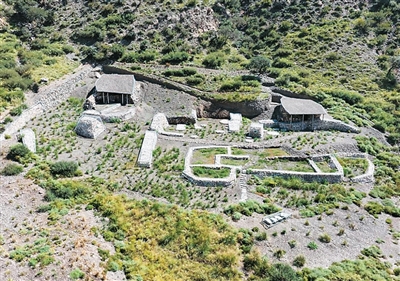
Core Viewpoint - The Su Yu Kou porcelain kiln site in Ningxia is the largest and best-preserved fine white porcelain kiln site in Northwest China, showcasing a complete production system for porcelain, including raw materials and fuel sources [1]. Group 1: Archaeological Findings - The site covers an area of 40,000 square meters and has revealed a total of six kilns and various workshop relics over four years of excavation from 2021 to 2024, with an excavation area of 2,400 square meters [1]. - Significant findings include wheel tracks, porcelain clay processing pools, glaze containers, quartz processing remnants, and other production-related artifacts [1]. Group 2: Conservation and Display Strategy - The Ningxia Archaeological Research Institute has decided to implement a "display backfill" approach, which involves marking important relics and functional zones on the surface while backfilling the excavation area to preserve the site for future museum construction [1]. - The backfill process adheres to international charters and domestic laws regarding cultural heritage protection, emphasizing minimal intervention and reversibility [2]. Group 3: Backfill Materials and Techniques - The backfill materials include excavated soil, stones, and pottery shards, with a focus on maintaining the authenticity of the archaeological site [4]. - A physical isolation layer is created using felt or cowhide between the backfill materials and the relics, ensuring the integrity of the archaeological findings [3]. Group 4: Environmental Considerations - To protect the site from environmental factors such as wind and wildlife, a lightweight steel shelter has been constructed over the kilns, with additional protective measures in place for important relics [5]. - The backfill area is designed to promote the growth of native vegetation, enhancing the ecological restoration of the site [6]. Group 5: Visitor Experience and Education - Stone paths have been laid to connect various relic points, facilitating visitor flow and minimizing damage to newly planted vegetation [6]. - Informational boards and visual aids are installed to enhance visitor understanding of the site's historical significance and the backfill process [5].