天下太平

Search documents
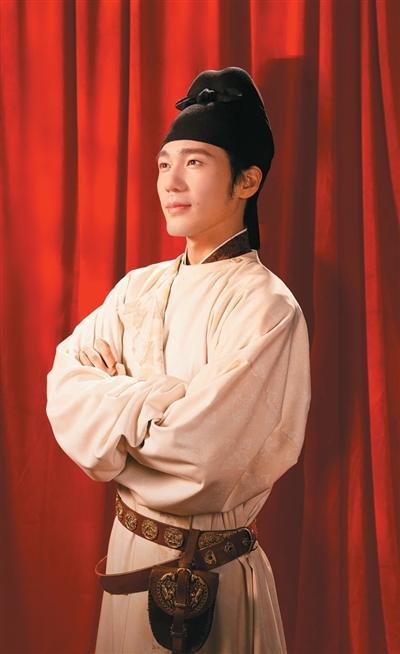
《人民日报海外版》对话《太平年》主演白宇
Xin Lang Cai Jing· 2026-02-14 03:00
Core Viewpoint - The historical drama "Tai Ping Nian" concludes with a significant theme of unity and peace, as portrayed through the character Qian Hongchu, played by Bai Yu, who embodies the wisdom and responsibility of embracing a unified nation amidst chaos [3][4]. Group 1: Character Development - Bai Yu emphasizes the importance of understanding history and the character's background, particularly the family motto that guided Qian Hongchu's decisions, highlighting the depth of the character's motivations [4]. - The character's journey from a carefree prince to a wise ruler reflects a profound psychological transformation, influenced by the suffering of the people during wartime [4][5]. - The portrayal of Qian Hongchu's character is enriched by his experiences in both royal education and common life, showcasing a blend of cultural understanding and practical wisdom [5][6]. Group 2: Themes and Cultural Significance - The narrative of "Tai Ping Nian" is set during the Five Dynasties and Ten Kingdoms period, emphasizing the cultural connections between the southeastern coastal regions and the central plains of China [5]. - The theme of "Na Tu Gui Song" (returning land to Song) represents a significant political and emotional choice, reflecting the character's commitment to the welfare of the people over personal or familial interests [4][8]. - Bai Yu articulates that the story serves as a reminder of the value of peace, resonating with contemporary audiences who may face similar conflicts in the world today [8]. Group 3: Artistic Approach - The production process involved extensive collaboration among the cast and crew, with Bai Yu noting the challenges of capturing the emotional depth and historical context in key scenes [6][7]. - Bai Yu's approach to character portrayal includes variations in physicality and emotional expression, adapting to the character's growth and maturity throughout the series [6][7]. - The actor's commitment to realism and historical accuracy is evident in his dedication to embodying the character's journey authentically, contributing to the overall narrative's impact [7].

《太平年》让“冷”历史引发热关注
Xin Lang Cai Jing· 2026-02-03 20:49
Core Viewpoint - The drama "Tai Ping Nian" aims to convey the hope for peace during the chaotic Five Dynasties and Ten Kingdoms period, highlighting the importance of understanding historical struggles to appreciate contemporary peace [4][6][9] Group 1: Historical Context and Production - The Five Dynasties and Ten Kingdoms period is characterized by political turmoil and constant warfare, contrasting with the more familiar Three Kingdoms era [4] - "Tai Ping Nian" has undergone five years of planning and three years of script refinement, involving over 40,000 participants from a top-tier creative team [5] - The series aims to depict the chaotic historical backdrop through the perspective of vivid characters, particularly focusing on the prince Qian Hongchao of the Wuyue Kingdom [5][6] Group 2: Narrative Approach and Themes - The narrative employs a character-driven approach to help viewers emotionally connect with the historical context, showcasing the harsh realities of the era [5][6] - The series emphasizes that history should not be beautified but rather serve as a reminder to cherish current peace, presenting a realistic portrayal of the era's brutality [6][9] - The central theme revolves around the quest for peace, particularly through the significant historical event of "Na Tu Gui Song," where Qian Hongchao chooses to submit to the Northern Song Dynasty [7][8] Group 3: Audience Engagement and Cultural Impact - The show has sparked widespread discussion and interest in the Five Dynasties and Ten Kingdoms history, leading to a trend of viewers researching historical details while watching [7][8] - The production challenges the notion of instant gratification in modern media, advocating for deeper emotional engagement and reflection on historical narratives [8][9] - The series aims to illustrate the resilience of civilization and the value of peace, encouraging viewers to recognize the efforts made by historical figures in pursuit of stability [7][9]