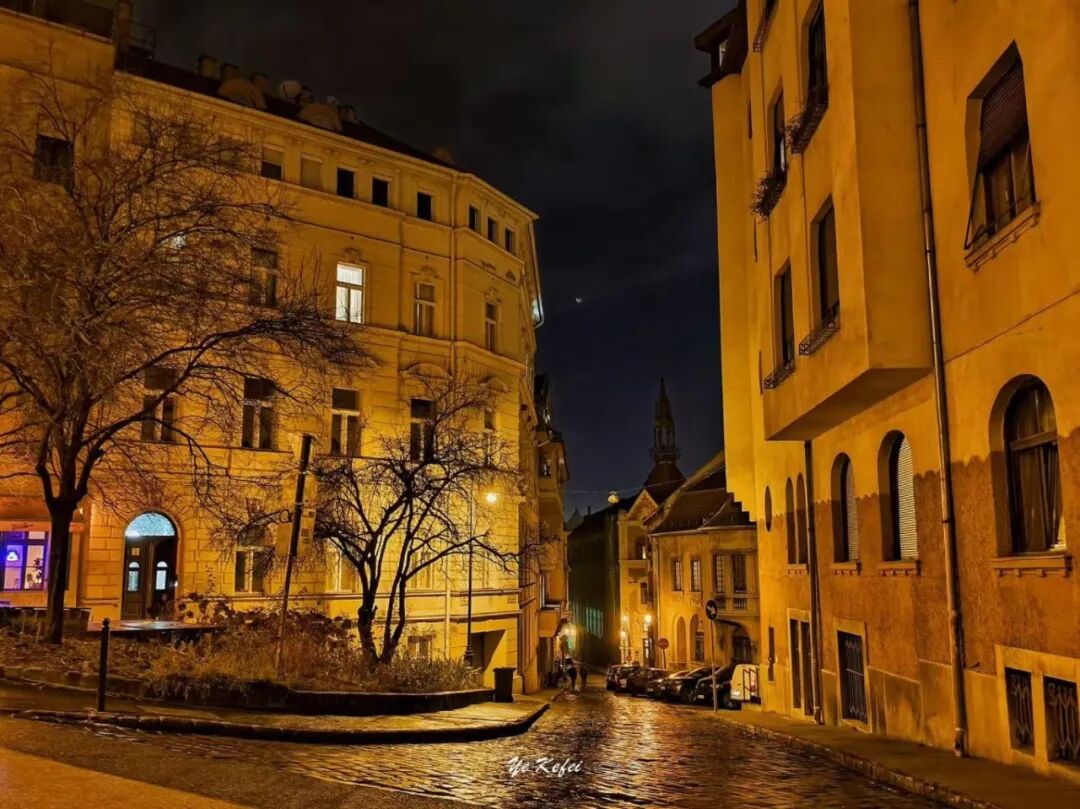
奥斯曼风格

Search documents
170多年前的他,不做门面功夫和政绩工程,奠定现代城市规划雏形
3 6 Ke· 2026-02-09 03:22
Core Perspective - The article discusses the significant urban transformation of Paris in the mid-19th century, led by Baron Georges-Eugène Haussmann under Napoleon III, which aimed to modernize the city and improve living conditions while also addressing political stability concerns [3][17]. Urban Transformation - The urban renewal of Paris began in the mid-19th century, driven by the influx of rural populations due to the Industrial Revolution, which resulted in overcrowded and unsanitary living conditions [3][4]. - Haussmann's approach was not merely cosmetic; it involved a comprehensive restructuring of the city's infrastructure, including transportation networks, sanitation systems, and public spaces [5][9]. Key Figures - Baron Haussmann was appointed by Napoleon III in 1853 to oversee the transformation, leveraging his administrative skills to implement extensive urban planning [4][16]. - Haussmann's vision included the creation of wide boulevards, parks, and a modern sewer system, which significantly improved public health and urban aesthetics [5][10]. Infrastructure Development - The construction of major thoroughfares and public squares occurred between 1854 and 1867, with significant financial investments amounting to tens of billions of francs [7][8]. - The new sewer system, which was 600 kilometers long, effectively addressed sanitation issues and improved life expectancy in Paris [9][10]. Social Impact - The urban renewal led to a dramatic increase in housing demand, with the population growing from 950,000 in 1851 to 2 million by 1870, resulting in a housing shortage and rising rents [16][15]. - The transformation created a stark divide between affluent and impoverished areas, leading to social stratification that persists today [15][17]. Architectural Style - Haussmann's planning established a distinctive architectural style characterized by uniform building heights and elegant facades, which became known as "Haussmannian style" [8][12]. - The aesthetic choices made during this period have influenced urban planning in many cities worldwide, establishing a model for modern urban development [17][18].

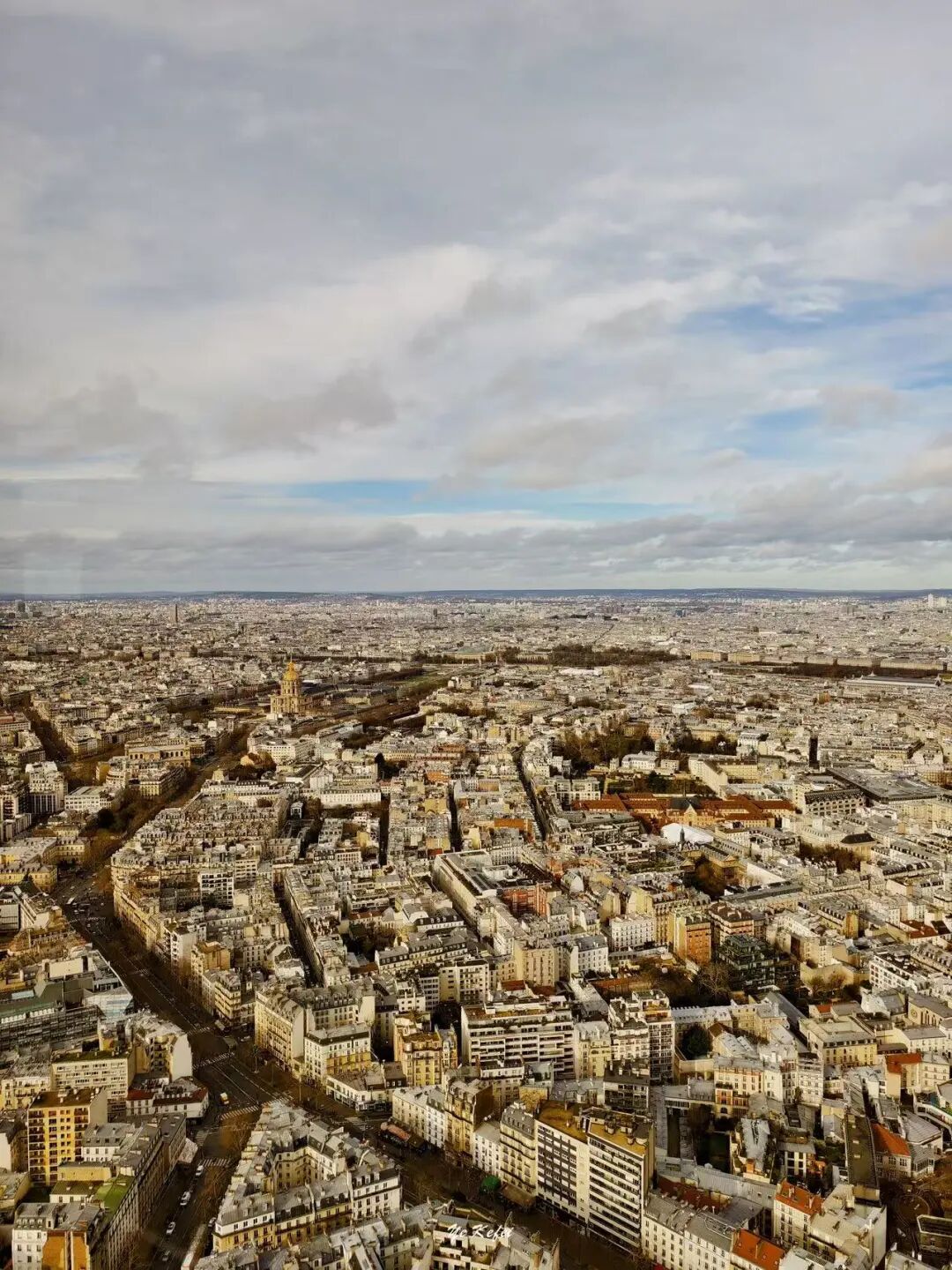
这个国家的总统府可以随便拍,俩警卫居然还五点准时下班
3 6 Ke· 2025-12-12 02:17
Group 1 - Budapest is known for its leisurely pace and high standards in service, as demonstrated by a restaurant that prioritizes quality over profit by not accepting new customers when they cannot meet service expectations [1][3] - The city is characterized by a blend of historical and modern influences, with its architecture reflecting the impact of Parisian urban planning and the Art Nouveau movement [5][7][9] - The Danube River significantly contributes to the beauty of Budapest, with distinct characteristics between Buda and Pest, showcasing different urban landscapes [11] Group 2 - Buda Castle, a historical site, has undergone numerous reconstructions and expansions since its establishment in the 13th century, reflecting various architectural styles and historical events [24][25][30] - The castle complex includes significant structures such as the Matthias Fountain and the Budapest History Museum, which highlight the city's rich cultural heritage [38][44] - Recent restoration efforts, including the "National Hausmann Plan," aim to preserve and restore historical buildings within the castle area, addressing past damages and modernizing the site while respecting its historical significance [36][32]