现代城市规划

Search documents
170多年前的他,不做门面功夫和政绩工程,奠定现代城市规划雏形
3 6 Ke· 2026-02-09 03:22
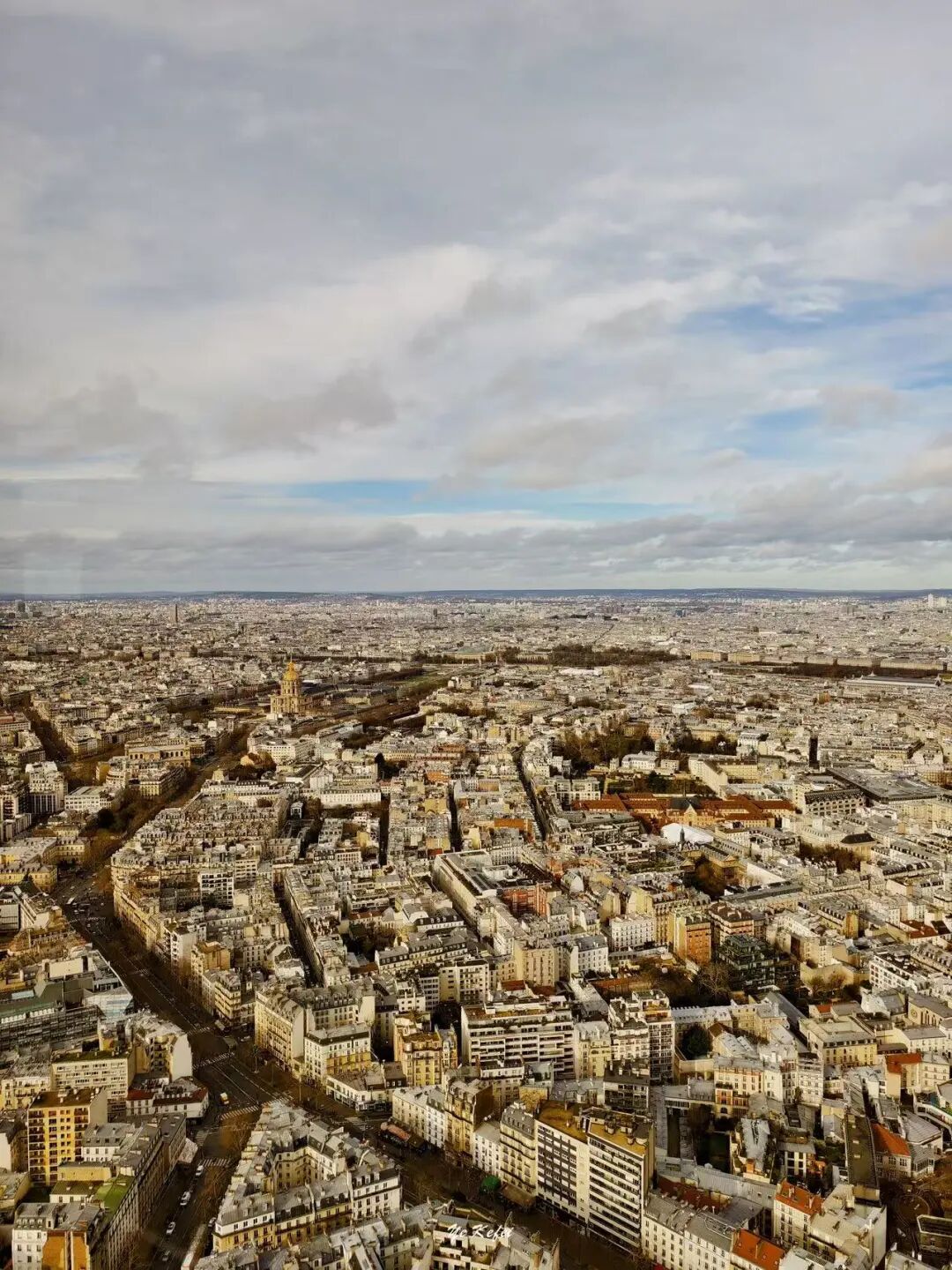
Core Perspective - The article discusses the significant urban transformation of Paris in the mid-19th century, led by Baron Georges-Eugène Haussmann under Napoleon III, which aimed to modernize the city and improve living conditions while also addressing political stability concerns [3][17]. Urban Transformation - The urban renewal of Paris began in the mid-19th century, driven by the influx of rural populations due to the Industrial Revolution, which resulted in overcrowded and unsanitary living conditions [3][4]. - Haussmann's approach was not merely cosmetic; it involved a comprehensive restructuring of the city's infrastructure, including transportation networks, sanitation systems, and public spaces [5][9]. Key Figures - Baron Haussmann was appointed by Napoleon III in 1853 to oversee the transformation, leveraging his administrative skills to implement extensive urban planning [4][16]. - Haussmann's vision included the creation of wide boulevards, parks, and a modern sewer system, which significantly improved public health and urban aesthetics [5][10]. Infrastructure Development - The construction of major thoroughfares and public squares occurred between 1854 and 1867, with significant financial investments amounting to tens of billions of francs [7][8]. - The new sewer system, which was 600 kilometers long, effectively addressed sanitation issues and improved life expectancy in Paris [9][10]. Social Impact - The urban renewal led to a dramatic increase in housing demand, with the population growing from 950,000 in 1851 to 2 million by 1870, resulting in a housing shortage and rising rents [16][15]. - The transformation created a stark divide between affluent and impoverished areas, leading to social stratification that persists today [15][17]. Architectural Style - Haussmann's planning established a distinctive architectural style characterized by uniform building heights and elegant facades, which became known as "Haussmannian style" [8][12]. - The aesthetic choices made during this period have influenced urban planning in many cities worldwide, establishing a model for modern urban development [17][18].