奶头乐

Search documents
郭玉洁:亿万个孤独的自我 | 年度阅读
Di Yi Cai Jing· 2026-02-18 03:13
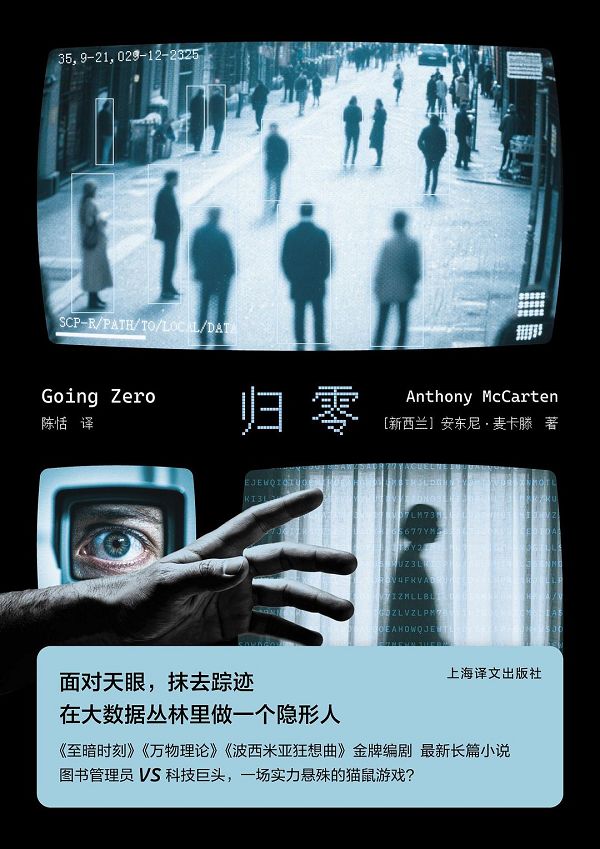
Group 1 - The article discusses the existential crisis and the search for meaning in a rapidly changing technological era, emphasizing the role of storytelling and literature in providing a sense of continuity and wholeness [1][24] - The novel "Zero" by Anthony McCarten portrays a tech mogul, reminiscent of figures like Bill Gates and Mark Zuckerberg, who develops a surveillance software that raises ethical questions about technology's role in society [1][4] - The narrative reflects on the complexities of human relationships and the impact of technology on personal connections, as seen through the character's personal struggles and the implications of their actions [8][10] Group 2 - The article highlights the contrasting perspectives on surveillance systems in contemporary Chinese science fiction, where such systems are sometimes depicted as necessary for societal order [5] - It notes the shift in the publishing industry and the challenges faced by authors in the digital age, where the emphasis on self-promotion and instant success alters traditional literary practices [18][21] - The discussion includes the psychological effects of the internet on human relationships, suggesting that the pursuit of online validation leads to increased loneliness and mental health issues [17][22]

“以旧换新”带货1万亿,中国何时能步入“消费者社会”?
吴晓波频道· 2025-06-01 17:52
Core Viewpoint - The article discusses the contrasting aspirations of the United States and China regarding their economic identities, with the U.S. aiming to bring manufacturing back and become a "producer society," while China seeks to expand consumption and evolve into a "consumer society" [4][5]. Group 1: U.S. Manufacturing and Consumer Society - Trump's rally in Pennsylvania emphasizes the push to keep manufacturing jobs in the U.S. by increasing tariffs on imported steel and aluminum from 25% to 50% [4][3]. - Pittsburgh, once a steel hub, symbolizes the U.S. manufacturing revival, transitioning from a deindustrialized "rust belt" to a center for healthcare and high-tech industries [3][4]. - The U.S. consumer society emerged in the early 20th century, driven by industrial productivity, with personal consumption contributing to 70% of GDP growth since 1953 [24][18]. Group 2: Characteristics of Consumer Societies - The transition from a producer society to a consumer society is marked by a shift in identity from labor-based to consumption-based, where consumerism becomes a core value [10][12]. - Key features of a consumer society include brand-oriented consumption, flexible employment, and a focus on immediate gratification [11][14]. - The U.S. consumer society is characterized by a high dependency on credit systems and installment payments, allowing broader access to goods [19][22]. Group 3: Comparison of U.S. and China's Consumer Societies - The article highlights that while the U.S. has a mature consumer society, China's transition is still in progress, maintaining a strong manufacturing base [39][40]. - In 2024, U.S. final consumption expenditure is projected to reach $17.8 trillion, significantly higher than China's $10.3 trillion, indicating a substantial gap in consumer spending [26][24]. - China's consumer market is evolving, with policies promoting consumption, such as the "old-for-new" program, which has already generated over 1 trillion yuan in sales this year [4][40]. Group 4: Economic Implications and Future Outlook - The article suggests that China's path to becoming a consumer society will depend on industrial upgrades and maintaining social stability, leveraging its large population and manufacturing capabilities [41][40]. - The potential for a unique Chinese consumer society model exists, integrating a vast market, technological empowerment, and a solid manufacturing foundation [41][40].