婚恋观

Search documents
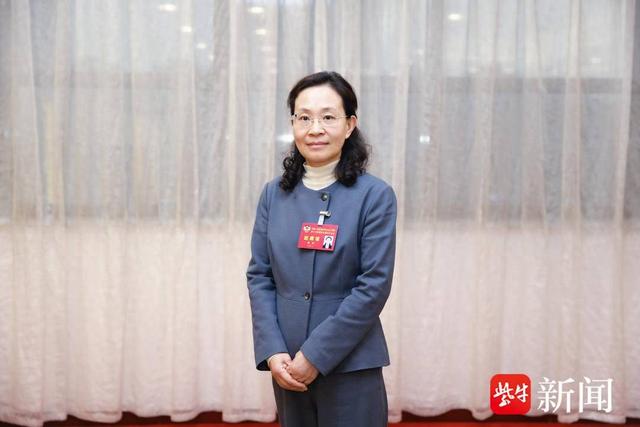
2026江苏两会 | 委员喊话年轻人:别让“屏幕”隔绝缘分
Xin Lang Cai Jing· 2026-02-03 12:36
Core Viewpoint - The increasing reliance on smartphones for instant emotional satisfaction is weakening offline social interactions, particularly affecting young people's willingness to engage in romantic relationships [1][3]. Group 1: Impact on Young People's Relationships - Research indicates that many young individuals exhibit a weak desire for romantic relationships, largely due to excessive dependence on smartphones [3]. - The phenomenon of "online excitement, offline alienation" prevents young people from experiencing the true beauty of love and diminishes their willingness for deep, sincere communication, indirectly affecting their marriage and dating choices [3]. Group 2: Recommendations and Initiatives - It is suggested that appropriate guidance should be provided to help young people cultivate good habits, reduce smartphone dependency, and return to offline interactions to foster relationships and learn to love [3]. - The provincial government is promoting new marriage and fertility culture initiatives in dozens of universities, utilizing immersive classrooms, club activities, seminars, and training to provide correct guidance on romantic views for soon-to-be graduates [3]. - There is a call to enhance the positive atmosphere surrounding marriage and family, with a recommendation for internet authorities to strengthen the management of negative information that misleads young people's perceptions of marriage and family [3].

打造党政放心、工会信赖、职工满意的“幸福家园”
Xin Lang Cai Jing· 2026-02-01 17:16
Group 1 - The Beijing Workers' Marriage and Family Construction Association (referred to as Beijing Workers' Marriage Association) held its fourth first member congress, summarizing the past five years of work and outlining key tasks for the next five years [1][2] - The association has focused on serving the needs of workers' happy lives, achieving solid results in marriage and friendship services, family education, and the development of the association itself, with over 120 demonstration activities organized and more than 1,500 special events held in collaboration with grassroots organizations [1][2] - The association has served nearly 70,000 workers, covering over 3,300 units, and has strengthened the "matchmaker" team and volunteer service team, conducting 26 training sessions for marriage guidance services [1][2] Group 2 - The meeting emphasized the need for the Beijing Workers' Marriage Association to align with the central work of the trade union, continuously innovate service models, optimize service supply, and expand the range of beneficiaries [2] - The association is encouraged to maintain political guidance, promote correct views on marriage and family among workers, and enhance its image and brand through standardized operations and cultural cultivation [2] - The meeting approved the work report of the third council, financial report, supervisory report, and the draft of the association's constitution, with participation from relevant departments and members [3]
结婚不用户口簿,年轻人却“恐婚”了
Hu Xiu· 2025-05-19 00:48
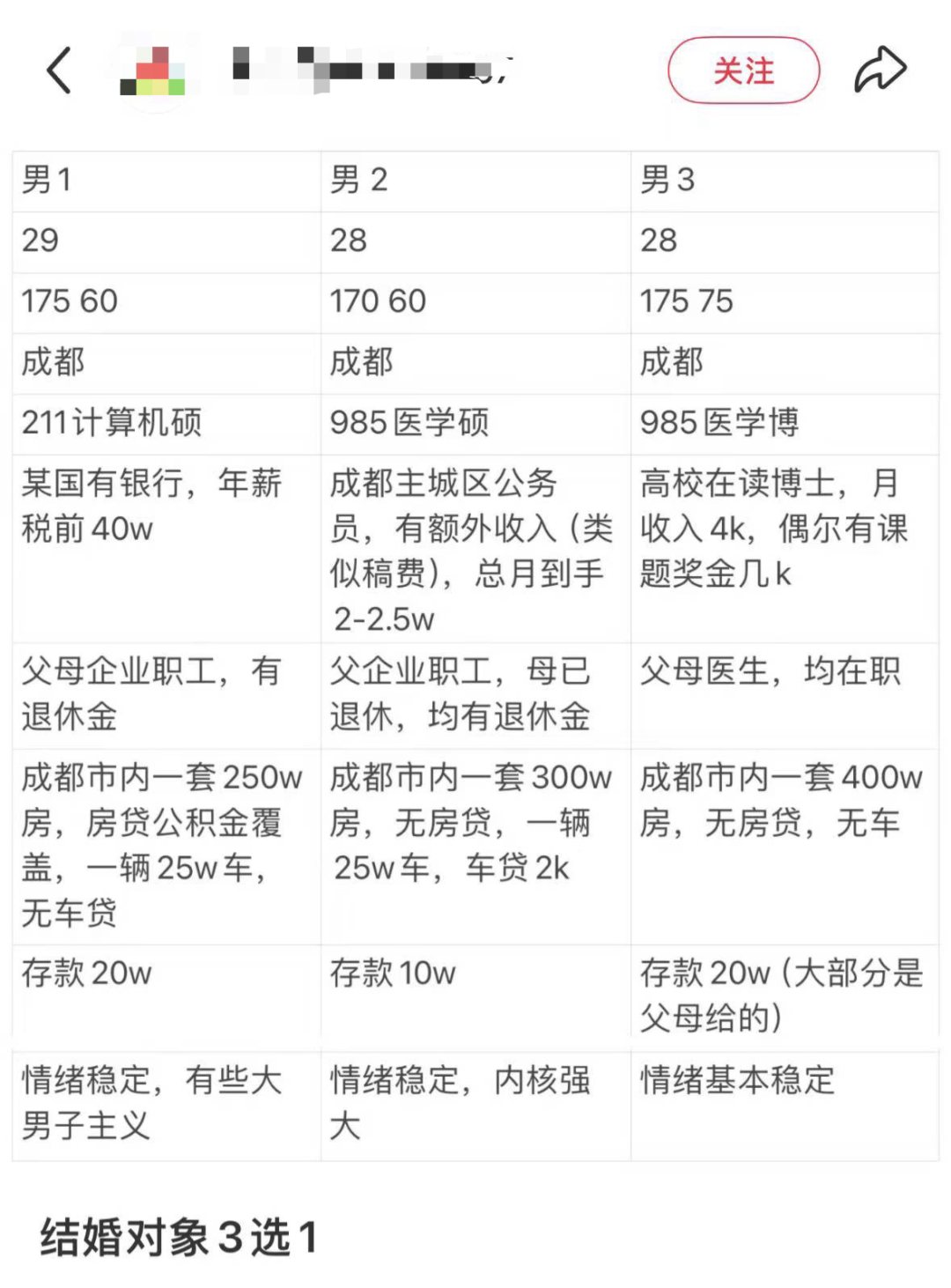
Core Viewpoint - The recent revision of the Marriage Registration Regulations simplifies the marriage registration process by eliminating the need for a household registration book, reflecting a shift in attitudes towards marriage among young people [2][3][4]. Group 1: Changes in Marriage Registration - The new regulations allow for "national handling" of marriage registration, meaning couples can register anywhere in the country without needing a household registration book [2]. - The first batch of young people has already shared their experiences of the new registration process on social media, highlighting the increased convenience but also expressing caution with comments like "easy access, strict exit is a scam" [3][4]. Group 2: Implications for Young People - The ease of obtaining a marriage certificate now requires only an ID card, while divorce involves a more complex process with a 30-day cooling-off period [5]. - Young people's cautious attitude towards marriage is evident, as they are more likely to seek parental approval even with the new regulations allowing them to marry without their parents' consent [9][22]. Group 3: Historical Context and Social Attitudes - The concept of marriage freedom in China has only been established for about 100 years, with significant legal changes occurring since the introduction of the Marriage Law in 1950 [15][16]. - Over the years, societal attitudes towards marriage have shifted from celebrating freedom to a more cautious approach, with younger generations being more analytical and pragmatic about marriage decisions [17][21]. Group 4: Broader Considerations - Discussions around marriage now extend beyond just the registration process, with young people increasingly considering factors like emotional education and financial stability before marriage [28][30][31]. - The trend of using analytical tools, such as Excel, to evaluate potential partners is becoming popular among young people, indicating a more rational approach to marriage [20][22].