学习化社会

Search documents
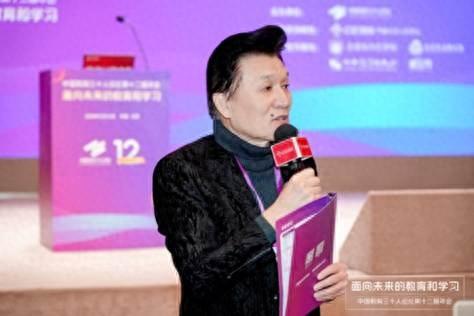
聚焦“面向未来的教育和学习”:中国教育三十人论坛第十二届年会举行
Huan Qiu Wang· 2025-12-15 08:55
Core Insights - The advent of artificial intelligence (AI) poses unprecedented challenges to traditional education models, necessitating a redefinition of educational content, teacher roles, and learning methodologies [1][9][12] - The conference emphasized the need for education to adapt to a rapidly changing society, moving away from industrial-era paradigms towards a more individualized and collaborative learning approach [6][8][20] Group 1: Educational Transformation - The conference highlighted that education is at a crossroads, facing the choice between maintaining outdated industrial models or fostering future-ready individuals [6][8] - AI's integration into education is seen as a unique opportunity to redefine learning, shifting the focus from knowledge acquisition to skills development and personal growth [9][12] - The traditional scarcity of knowledge is being replaced by an abundance due to AI, raising questions about the purpose of learning in an era where answers are readily available [12][14] Group 2: Role of Educators and Students - Educators are encouraged to transition from knowledge transmitters to facilitators of learning, guiding students in a collaborative environment [17][20] - The role of AI in education is to personalize learning experiences, allowing for tailored educational paths that cater to individual student needs [17][27] - Students are urged to become active participants in their learning journey, utilizing AI as a tool for exploration and inquiry rather than mere information retrieval [27][28] Group 3: Future Learning Environments - The need for educational reform is underscored by the characteristics of today's youth, who thrive in informal learning settings and seek diverse learning experiences beyond traditional classrooms [20][30] - Innovative educational practices, such as project-based learning and inquiry-based approaches, are being promoted to cultivate creativity and critical thinking skills [21][37] - The physical structure of schools is evolving to support flexible learning environments that accommodate various learning styles and collaborative activities [37][38] Group 4: Policy and Systemic Changes - The conference called for a shift in educational policies to support diverse assessment methods and learning pathways, moving away from standardized testing [41][42] - Emphasis was placed on the importance of lifelong learning and the need for educational systems to adapt to the demands of a rapidly changing job market [41][42] - The integration of technology in education should enhance, rather than replace, the human elements of teaching and learning, fostering a holistic approach to student development [41][42]