孩子教育

Search documents
发现一个奇怪的现象: 穷人的富养是带孩子到处旅游,增长孩子的欲望;富人的富养是教孩子看清世界的真相和规则,获得真正的能力
洞见· 2026-03-03 12:37
Core Viewpoint - The article emphasizes that the most significant aspect of education is not material wealth or experiences but rather the cultivation of a child's character and cognitive abilities, which ultimately shapes their future [5][12][25]. Group 1: Education and Parenting - The harsh truth of education is that one can never teach a child beyond their own understanding [5][13]. - Parents' nurturing and the values they instill in their children significantly influence the children's future paths [4][17]. - The difference in educational approaches between families often stems from varying levels of cognitive understanding, leading to different outcomes in children's character and upbringing [12][30]. Group 2: Real Wealth in Parenting - True wealth in parenting is raising a child with a sound personality and a rich spirit, rather than merely providing material possessions [25][26]. - The article highlights that a child's future is shaped more by the quality of their upbringing and the values imparted by parents than by financial status [17][20]. - The most effective parenting involves teaching children life skills, emotional management, and resilience against setbacks [38][39][40]. Group 3: Practical Skills and Values - Parents should focus on cultivating three essential abilities in their children: independence in daily life, emotional regulation, and the ability to cope with challenges [38][39][40]. - The article suggests that practical experiences, such as household chores and managing finances, are crucial for developing a child's independence and responsibility [38]. - Emotional intelligence and the ability to handle failures are emphasized as key components for a successful and fulfilling life [39][40].

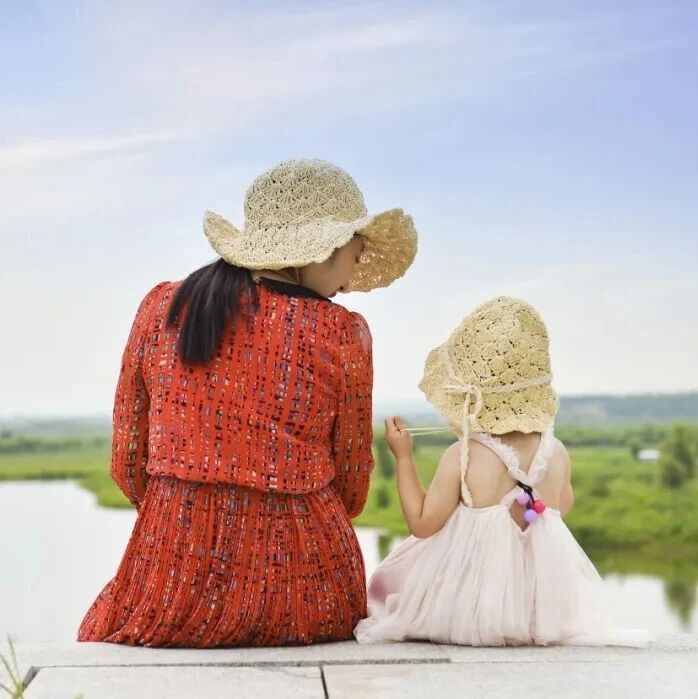
孩子,不管优秀还是平庸,我都站在你身边!
Jing Ji Guan Cha Bao· 2026-01-19 08:56
Group 1 - The article emphasizes the negative impact of verbal criticism on children's self-esteem and development, suggesting that encouragement is more beneficial than criticism [10][48][52] - It highlights a specific incident where a mother harshly criticizes her child for academic performance, illustrating the damaging effects of such behavior [3][4][16] - The author shares personal experiences of fostering a supportive environment for a child, demonstrating that positive reinforcement leads to better outcomes in learning and confidence [12][15][34] Group 2 - The article discusses the importance of building resilience in children through experiences rather than through criticism, advocating for opportunities that allow children to face challenges independently [11][15][16] - It presents a case study of a girl who developed low self-esteem due to constant negative feedback from her parents, underscoring the long-term effects of verbal abuse [18][19][22] - The narrative includes examples of how positive language can transform a child's attitude and performance, reinforcing the idea that encouragement fosters growth [26][48][54]
段永平:时代造就了某个人,这个说法是一定不对的,你怎么就吃不到红利呢?
Xin Lang Cai Jing· 2025-12-09 07:36
Core Viewpoint - The discussion highlights the importance of individual effort and personal responsibility in achieving success, rather than attributing it solely to societal conditions or luck [3][12][14]. Group 1: Opportunities for Young People - There are numerous young billionaires in their twenties and thirties, indicating that opportunities still exist for the current generation [3][11]. - The success of young entrepreneurs is often a result of hard work and dedication over time, rather than mere luck [12][14]. Group 2: Parenting and Child Development - The conversation emphasizes the significance of creating a safe and supportive environment for children, rather than using punitive measures [14][17]. - It is suggested that teaching children about boundaries and consequences is crucial for their emotional development [17][18]. - The impact of childhood experiences on resilience and emotional security is discussed, with a focus on nurturing rather than punishment [16][17].
很多人把自己不刻苦没有成就,归罪于社会没有给他条件和机会,段永平:这是对社会的不公平
Xin Lang Cai Jing· 2025-12-09 07:30
Core Viewpoint - The discussion highlights the importance of individual effort and personal responsibility in achieving success, rather than attributing it solely to societal conditions or luck [3][12][14]. Group 1: Opportunities for Young People - There are numerous young billionaires in their twenties and thirties, indicating that opportunities still exist for the current generation [3][11]. - The success of young entrepreneurs is often a result of hard work and dedication over time, rather than mere luck [12][14]. Group 2: Personal Responsibility and Effort - Individuals should not blame societal conditions for their lack of success; everyone has similar opportunities to succeed [12][14]. - The speaker emphasizes that success is largely due to personal effort, and that societal conditions are not the sole determinants of success [3][12]. Group 3: Parenting and Child Development - The importance of creating a safe and supportive environment for children is emphasized, rather than using punitive measures [14][17]. - Teaching children about boundaries and consequences is crucial for their emotional development [15][17].
不要太尊重你的孩子,当你充分尊重孩子的天性时,你会发现他的天性是:又懒又馋,无组织纪律,脱缰的野马都比他强
洞见· 2025-11-09 12:35
Group 1 - The core idea of the article emphasizes that true respect in parenting is about balancing freedom with rules, guiding children with warmth and firmness rather than indulging them without boundaries [5][30] - The author reflects on personal experiences where initially allowing too much freedom led to negative behaviors in children, highlighting the importance of setting clear rules and expectations [8][10] - The article discusses the concept of "false respect," where parents may superficially ask for children's opinions but fail to genuinely consider them, which can harm the parent-child relationship [13][16] Group 2 - It is crucial to maintain firm boundaries on fundamental issues such as safety and responsibility while allowing children to make choices in less critical matters [21][30] - The author suggests that giving children autonomy in small decisions helps them learn responsibility and develop decision-making skills, which are more valuable than immediate academic success [23][24] - Effective communication in parenting should be a blend of understanding emotions and asserting rules, ensuring children feel supported while learning self-discipline [28][30]