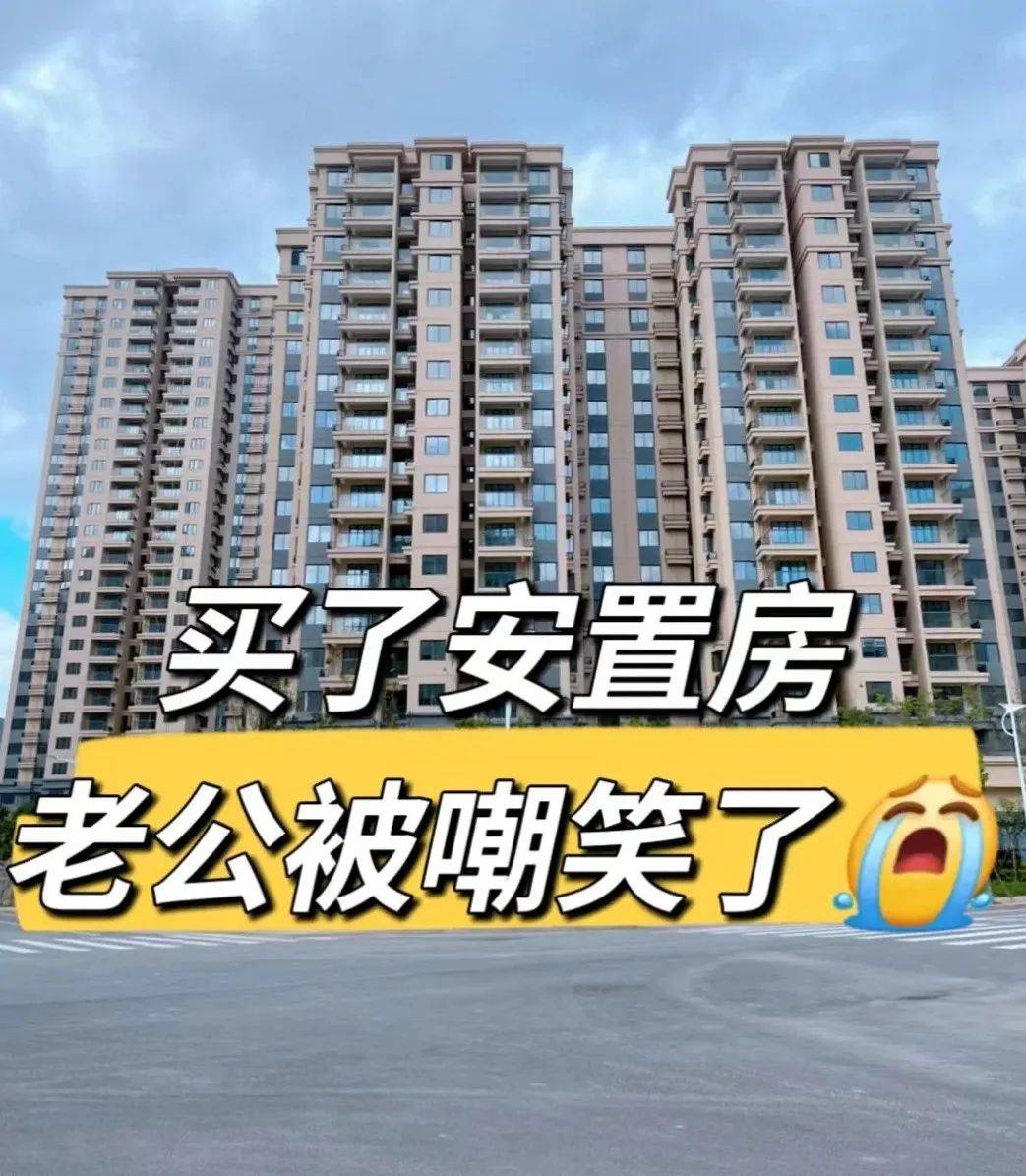
安置房质量问题

Search documents
遍地安置房,却没人敢买,为啥?十年金牌销售道出了原因,拆迁户都无法忍受
Sou Hu Cai Jing· 2025-10-04 12:26
Group 1 - The core issue is the significant depreciation of resettlement housing prices, leading to reluctance among buyers to purchase these properties [2][4] - Resettlement housing is defined as properties provided to displaced residents by developers during the demolition of old buildings [5] - There are various types of resettlement housing, including fully owned commercial housing, shared ownership housing, and "three determinations and three limitations" housing, each with different ownership rights and trading restrictions [6][7][9][10][11][12] Group 2 - Buyers are hesitant to purchase resettlement housing due to complicated property rights, which can hinder market transactions [16] - The quality of resettlement housing is often poor, leading to issues such as water leakage and inadequate sound insulation, which negatively impacts living conditions [18] - Resettlement housing typically lacks adequate supporting facilities, resulting in a subpar living environment [20] - The demographic composition of resettlement housing is often mixed, with many residents being elderly or tenants, which can lead to a decline in community standards [22] - The rapid depreciation of resettlement housing values is a significant concern, with prices dropping dramatically over a short period [24] Group 3 - Potential buyers of resettlement housing should assess their needs carefully, considering whether renting might be a better option if they prioritize living quality [26] - It is crucial to verify the property rights of resettlement housing before purchase, ensuring that the property can obtain the necessary ownership certificates [28] - Conducting thorough inspections of the property for quality issues is essential before making a purchase decision [29]

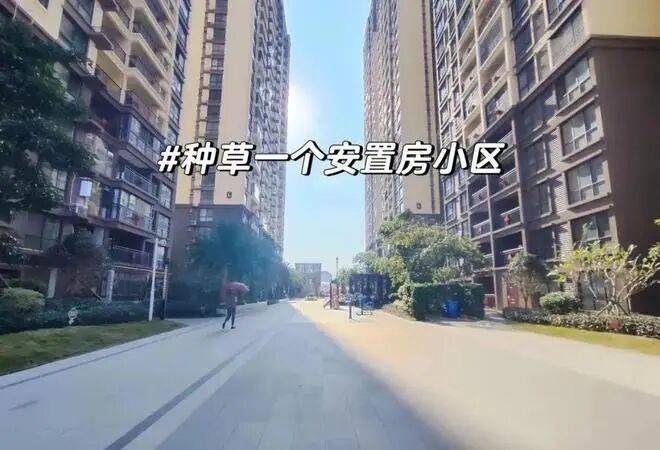
遍地安置房,却没人愿买?行内人:真实原因很复杂
Sou Hu Cai Jing· 2025-07-08 02:42
Group 1: Definition and Types of Resettlement Housing - Resettlement housing is provided by the government to solve housing issues for displaced residents, with different types based on land nature, each having its own restrictions [3] - The first type is collective land resettlement housing, which cannot be mortgaged, registered, or traded, making it difficult to sell [3] - The second type is limited property rights housing on state-allocated land, which requires payment of "land transfer fees" for trading and obtaining property certificates, but the process is more complex [3] - The third type is full property rights housing on state-leased land, which is similar to regular commercial housing and can be mortgaged, traded, and registered [3] Group 2: Reasons for Low Demand for Resettlement Housing - The complex property rights issues deter potential buyers, as many fear they cannot obtain property certificates, leading them to prefer more expensive commercial housing [10] - Resettlement housing often lacks surrounding amenities such as supermarkets, hospitals, and schools, making them less attractive for living [10] - Quality concerns arise due to cost limitations, with many resettlement houses having inferior building materials and construction quality compared to commercial housing [12] - The demographic of resettlement housing often includes lower-income residents and elderly tenants, leading to a poor living environment and hygiene issues [14] Group 3: Additional Challenges of Resettlement Housing - The lack of proper community management results in chaotic parking and traffic conditions, further diminishing the living experience [16] - Cultural and social disturbances, such as noise from funerals, can significantly affect the quality of life for residents [16] - Overall, these factors contribute to the depreciation of resettlement housing and its poor liquidity in the market, making it difficult to sell even at reduced prices [18]