
宗教自由

Search documents
刚刚!特朗普,突发威胁!
Zheng Quan Shi Bao Wang· 2025-11-03 02:06
Core Points - President Trump has issued military threats regarding Nigeria, claiming that U.S. forces may be deployed to prevent what he describes as the "mass slaughter of Nigerian Christians" [1][2][3] - Nigeria's Foreign Ministry has responded, stating that Trump's comments do not reflect the reality of the situation and emphasizing the country's commitment to combating terrorism and promoting religious harmony under President Tinubu's leadership [1][4] Summary by Sections Military Threats - Trump indicated the possibility of deploying U.S. troops or conducting airstrikes in Nigeria to address the alleged violence against Christians [2][3] - He has instructed the Pentagon to prepare for potential military actions and threatened to halt aid to Nigeria [2][3] Nigeria's Response - The Nigerian government has rejected Trump's claims, asserting that the country is dedicated to protecting the rights of all citizens and combating terrorism [4] - President Tinubu defended Nigeria's efforts to ensure religious freedom and cooperation with the U.S. government [4] Context of Violence - Nigeria faces threats from various extremist groups, including Boko Haram, which targets both Christians and Muslims [5] - The violence in Nigeria is driven by multiple factors, including religious motivations and resource competition among communities [5] Expert Opinions - Experts argue that the narrative of "Christian genocide" in Nigeria is overly simplistic and incorrect, highlighting that various groups, including Muslims, also face persecution [6] - There is a call for the U.S. to collaborate with Nigerian authorities rather than imposing military actions that could exacerbate the situation [6]
刚刚!特朗普,突发威胁!
券商中国· 2025-11-03 01:53
Core Viewpoint - The article discusses President Trump's military threats towards Nigeria in response to alleged large-scale killings of Christians, which has sparked international attention and controversy [2][4]. Summary by Sections Trump's Military Threats - Trump indicated that the U.S. military might deploy troops or conduct airstrikes in Nigeria to prevent what he described as "large-scale killings of Nigerian Christians" [2][4]. - He stated that he has instructed the Pentagon to prepare for possible military actions and warned the Nigerian government to act swiftly [5][4]. Nigeria's Response - The Nigerian Foreign Ministry rejected Trump's claims, asserting that they are not reflective of the actual situation in Nigeria and emphasized the government's commitment to combating terrorism and promoting religious harmony [7][8]. - President Tinubu defended Nigeria's efforts to protect religious freedom and criticized the portrayal of Nigeria as a country intolerant of religion [8][7]. Context of Violence in Nigeria - Nigeria faces violence from various extremist groups, including Boko Haram, which targets both Christians and Muslims, indicating that the situation is complex and not solely based on religious lines [9]. - The country has a population of over 230 million, with both Christians and Muslims suffering from attacks by radical Islamist groups [9]. Expert Opinions - Experts argue that the narrative of "Christian genocide" in Nigeria is overly simplistic and fails to account for the broader context of violence affecting multiple groups [9][10]. - There is a call for the U.S. to collaborate with Nigerian authorities to address shared threats rather than imposing military actions that could exacerbate the situation [10].

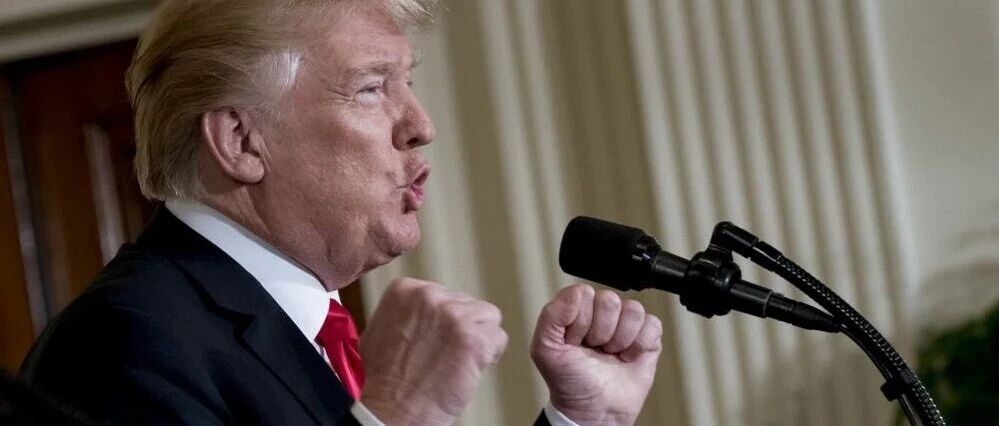
声称尼日利亚政府纵容暴力,美总统威胁对尼动武,尼方回应
Huan Qiu Shi Bao· 2025-11-02 22:46
Core Viewpoint - The article discusses President Trump's threats against Nigeria regarding the protection of Christians and the potential for military action if the Nigerian government fails to address violence against Christians [1][3]. Group 1: U.S. Government Actions - Trump has instructed the U.S. Department of Defense to prepare for possible military action in Nigeria if the country does not take stronger measures against violence targeting Christians [1]. - The U.S. government plans to immediately halt all aid to Nigeria as a response to the alleged failure to protect Christians [1]. - Trump labeled Nigeria as a "country of particular concern" under the International Religious Freedom Act, indicating systemic and severe religious freedom violations [3]. Group 2: Nigerian Government Response - The Nigerian government, under President Tinubu, has denied Trump's accusations, asserting its commitment to combating terrorism and promoting religious harmony [3][4]. - Tinubu emphasized that Nigeria is working with the U.S. and the international community to protect the rights of all faith groups [3][4]. - The Nigerian Foreign Ministry reiterated the country's dedication to protecting citizens of all races and religions, highlighting the importance of diversity [4]. Group 3: Context of Violence in Nigeria - Nigeria faces significant threats from various extremist groups, including Boko Haram, which targets both Christians and Muslims [4][5]. - The country has a population of over 230 million, with both Christian and Muslim communities suffering from violence driven by religious motives and resource competition [4]. - Analysts argue that the narrative of "Christian genocide" oversimplifies the complex nature of violence in Nigeria, which affects multiple groups [5][6].
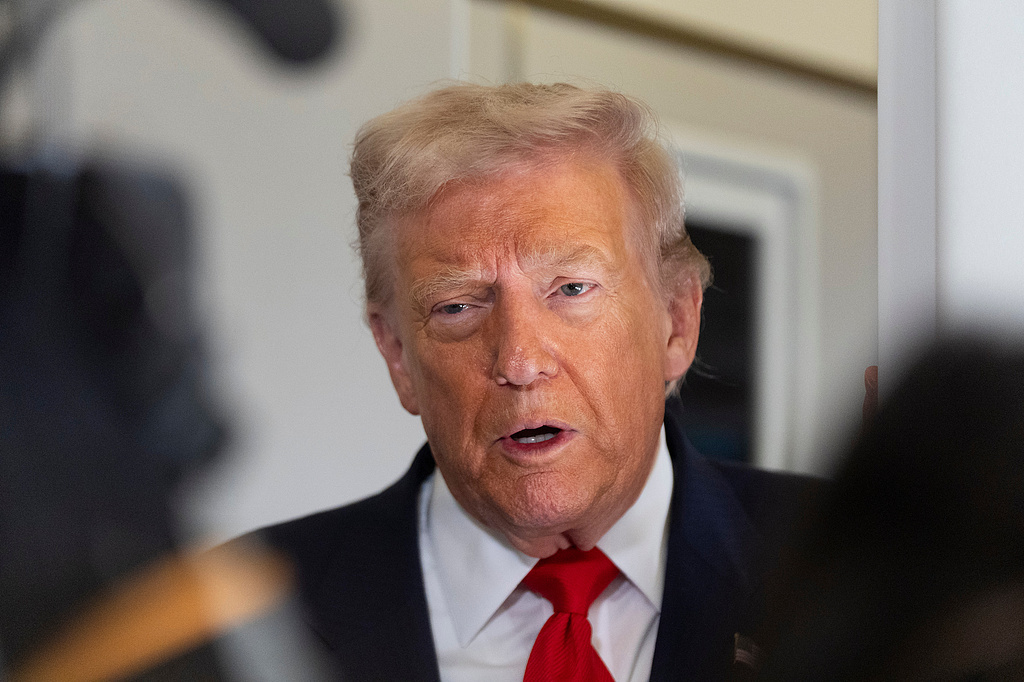
国台办:支持两岸宗教界依法依规开展交流
Yang Shi Xin Wen Ke Hu Duan· 2025-10-29 06:20
Core Viewpoint - The spokesperson for the Taiwan Affairs Office of the State Council criticized the Democratic Progressive Party (DPP) for its claims regarding religious freedom and cross-strait exchanges, asserting that such statements are slanderous and reveal the DPP's fear of closer ties between the two sides [1] Group 1 - The spokesperson emphasized that the DPP's claims about the mainland using religion as a political tool are unfounded and reflect a malicious intent to obstruct cross-strait exchanges [1] - The office maintains a policy of religious freedom and supports lawful religious exchanges between the two sides [1] - The DPP is accused of promoting a "green terror" to suppress religious groups and individuals in Taiwan from engaging in normal religious exchanges with the mainland [1]