
军事干预

Search documents
《大西洋月刊》:美国、以色列与伊朗的战争它将如何结束?
美股IPO· 2026-03-01 23:38
Core Viewpoint - The article discusses the escalation of military actions by the U.S. against Iran, highlighting President Trump's declaration of intent to change Iran's leadership and eliminate its nuclear and missile programs without congressional approval [4][5][6]. Group 1: Military Actions and Responses - The U.S. military launched a significant attack on Iran, resulting in the death of key Iranian officials, including Supreme Leader Ayatollah Ali Khamenei, and aimed at destabilizing Iran's leadership [4][5][6]. - Iran retaliated with approximately 300 missile strikes targeting U.S. bases in the region, with some missiles reportedly hitting civilian areas, including a school, resulting in casualties [3][8][10]. - The U.S. mobilized over 150 military aircraft and ships, marking one of the largest military deployments since the Iraq invasion in 2003, indicating a substantial commitment to military engagement in the region [8][10]. Group 2: Political Implications and Strategic Goals - Trump's military actions are framed as a "preemptive" strike against what he claims is an imminent threat from Iran, despite conflicting intelligence assessments within his administration [5][6]. - The article notes that Trump's ambition to overthrow the Iranian government is unprecedented and reflects a significant shift in U.S. foreign policy, aiming to achieve what previous administrations could not [6][9]. - The potential for a prolonged conflict raises concerns about the implications for U.S. military personnel and the broader geopolitical landscape in the Middle East, with Trump’s actions seen as a defining moment for his legacy [12][13]. Group 3: Regional and Global Reactions - Israel's involvement in the military operation alongside the U.S. underscores a collaborative effort to reshape the power dynamics in the region, with Israeli officials expressing support for the actions taken [7][9]. - The response from Iran and its allies, including the Houthis in Yemen, indicates a potential for broader regional conflict, although there is uncertainty about the extent of Iran's military capabilities following previous U.S. strikes [10][11]. - The article highlights the internal divisions within the U.S. administration regarding the desire for a full-scale war, with some officials cautioning against the risks of escalation and potential casualties [11][12].

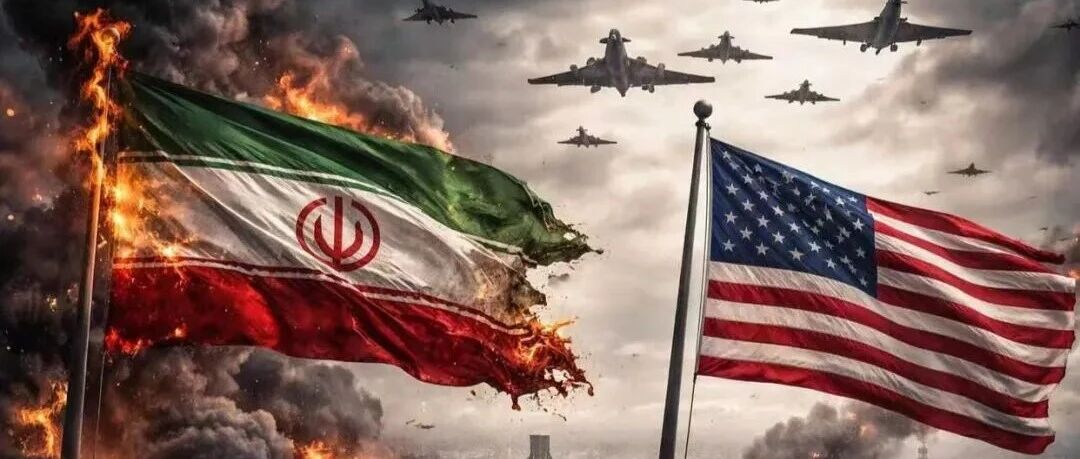
美国宣布:制裁伊朗!特朗普,发出最后通牒!
Xin Lang Cai Jing· 2026-01-31 06:29
Group 1 - The U.S. Treasury Department announced new sanctions against Iran, targeting Interior Minister Iskander Momeni and several senior officials of the Islamic Revolutionary Guard Corps (IRGC) [1][2][6] - The European Union also imposed sanctions on Momeni and 15 other Iranian officials, along with 6 entities, which include asset freezes and visa restrictions [2][7] - The IRGC has been designated as a "terrorist organization" by the EU, which has been met with strong condemnation from Iranian officials [2][7] Group 2 - President Trump issued an ultimatum to Iran, stating that they wish to reach an agreement and that he has communicated a deadline for this agreement [3][8] - Iranian Foreign Minister Zarif emphasized that Iran will not negotiate under U.S. threats and that any talks must be based on fairness and equality [3][8] - Zarif also warned that Iran is prepared for both diplomatic and military responses, asserting that their military readiness is high [3][8] Group 3 - Russian President Putin met with Ali Larijani, a close advisor to Iran's Supreme Leader, amid rising tensions between Iran and the U.S. [4][9] - The discussions in Moscow focused on significant regional and international issues, with Russia offering to mediate between Washington and Tehran [4][9] - Israeli airlines have implemented emergency measures in response to potential escalations, including restrictions on flights and preparations for aircraft relocation [4][9]
专家:美加大军力部署对伊朗极限施压 地区风险进一步增加
Xin Lang Cai Jing· 2026-01-24 13:25
Group 1 - The core viewpoint of the article highlights the increasing military presence of the U.S. near Iran, indicating a potential for future military action despite recent tensions appearing to ease [1][3] - The U.S. continues to deploy advanced weaponry and military forces in the Middle East, suggesting that the security risks in the region are escalating rather than diminishing [1][3] - High-level visits by U.S. officials to Israel indicate urgent strategic coordination between the U.S. and Israel, aimed at addressing the Iranian threat [5][6] Group 2 - Iran has adopted a strong defensive posture, warning that any new attacks will be met with a full retaliatory response, reflecting its perception of external threats [7] - The recent suspension of flights by several airlines to the Middle East underscores the international community's growing concern over the potential for the situation to spiral out of control [8]
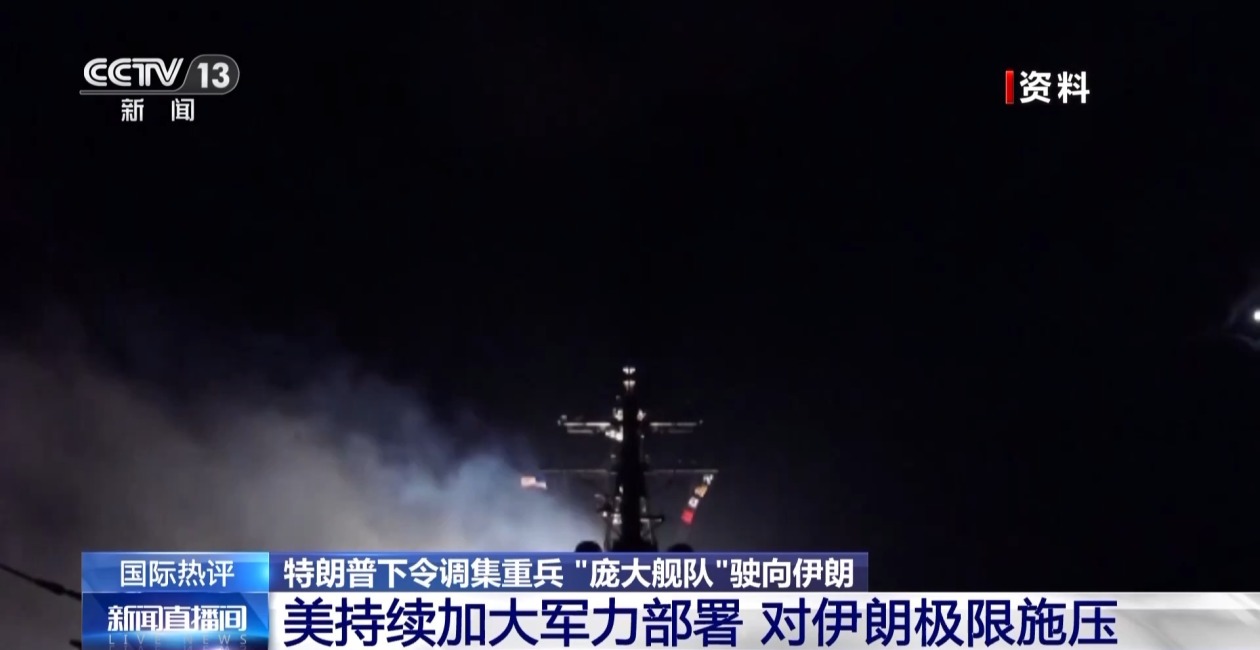
215票赞成,215票反对,限制特朗普动武决议未通过,只差1票!特朗普:正调集重兵前往伊朗!美军航母已穿过马六甲海峡,进入静默状态
Mei Ri Jing Ji Xin Wen· 2026-01-23 07:38
Core Viewpoint - The U.S. House of Representatives failed to pass a resolution aimed at limiting President Trump's military actions without congressional approval, reflecting concerns among lawmakers about Trump's foreign policy [1][3][6] Group 1: Legislative Actions - The resolution proposed by Democratic and Republican lawmakers aimed to prevent military action against Venezuela without congressional authorization, requiring the withdrawal of U.S. troops unless formally declared war [6] - The vote resulted in a tie of 215 to 215, failing to achieve a majority, indicating a divided stance among lawmakers, including some Republicans who supported the resolution [3][6] - Previous attempts in the Senate to pass similar resolutions were blocked by Republican opposition, highlighting ongoing tensions regarding military intervention policies [6] Group 2: Military Movements and Statements - President Trump announced that a significant military presence is being mobilized towards Iran, with multiple naval vessels en route, emphasizing the administration's close monitoring of the situation [7][9] - The USS Abraham Lincoln aircraft carrier has entered the Indian Ocean and is expected to arrive in the Arabian Sea, indicating a strategic military positioning [7] - Trump reiterated concerns about Iran's nuclear capabilities, suggesting potential military action if Iran does not cease its nuclear development, although he did not provide evidence for his claims [9] Group 3: International Reactions - Iranian officials have issued warnings against U.S. military actions, cautioning that any strategic miscalculations could lead to severe consequences for the U.S. and its allies [9] - Iran's Foreign Minister stated that the country would respond decisively to any attacks, indicating a readiness to use all means necessary in defense [9]
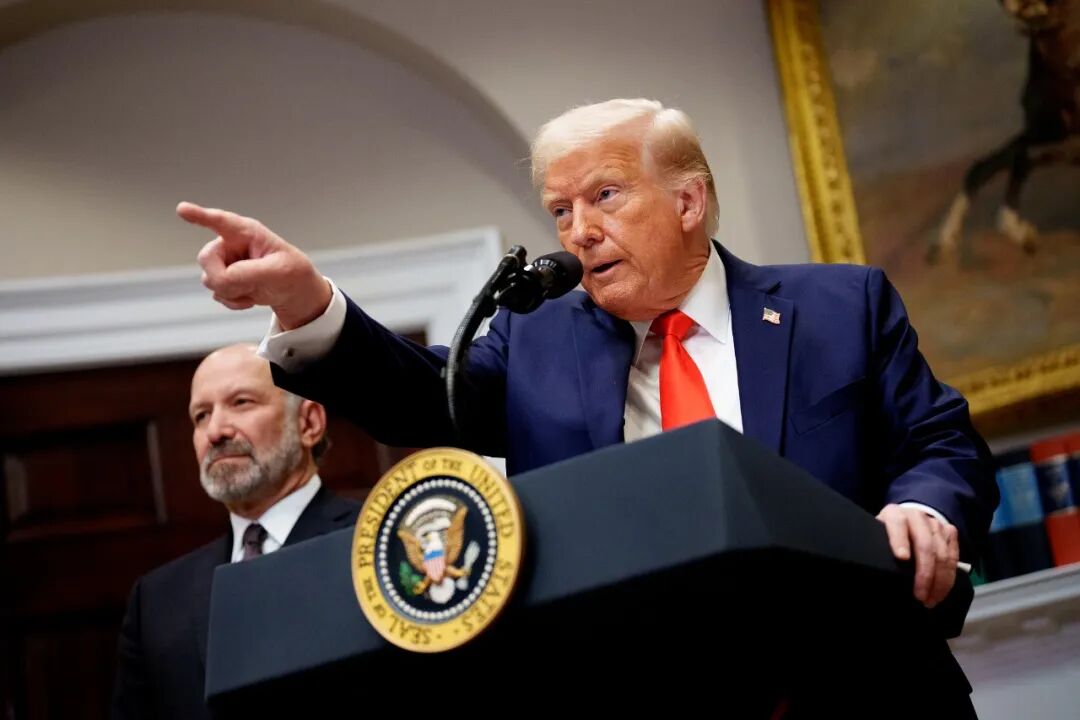
美国向中东地区增派航空母舰
Xin Lang Cai Jing· 2026-01-17 07:28
Group 1 - The U.S. is increasing military presence in the Middle East, including deploying the USS Abraham Lincoln aircraft carrier and its strike group, which is expected to arrive within a week [2] - The U.S. military has a high-density presence in the Middle East, with at least 19 military bases, 8 of which are permanent, and approximately 40,000 to 50,000 U.S. personnel stationed in the region by mid-2025 [3] - Concerns within the Trump administration regarding military intervention in Iran include doubts about achieving regime change and fears of retaliation from Iran [3] Group 2 - Israeli Prime Minister Netanyahu requested President Trump to delay military action against Iran to allow Israel more time to prepare for potential retaliation [4] - Trump expressed a desire for military action against Iran to be a "quick, decisive strike" rather than a prolonged conflict [5]
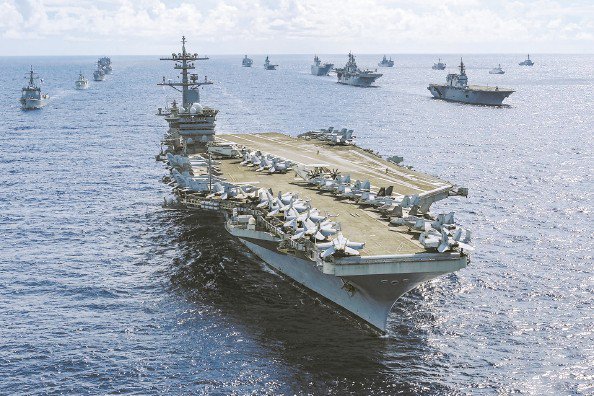
敏感时刻,美国将向中东增派航母
Xin Lang Cai Jing· 2026-01-17 01:15
Core Viewpoint - The U.S. is increasing military presence in the Middle East, including deploying an aircraft carrier and additional missile defense systems, as President Trump considers military action against Iran [1][3]. Military Deployment - The U.S. military is expected to send more air, land, and sea forces to the region within days or weeks, including at least one aircraft carrier, to provide military options for Trump if he decides to strike Iran [1][3]. - The deployment of the aircraft carrier is anticipated to take at least one week [1]. Diplomatic Efforts - Gulf countries and Israel have engaged in last-minute diplomatic efforts to persuade Trump to delay military action against Iran, fearing potential retaliation against Israel [4]. - U.S. officials indicate that a large-scale strike on Iran may not lead to the collapse of the Iranian government and could escalate regional conflict, prompting Trump to observe Iran's actions before deciding on military options [4][5]. Economic Sanctions - The U.S. Treasury announced new sanctions against Iran, adding 11 individuals and 13 entities to the sanctions list as part of increasing economic pressure on Iran [3]. Iranian Response - Iran has stated it does not seek escalation but will respond decisively to any form of aggression, with its foreign minister urging the UN to condemn foreign interventions [5][6]. - The Iranian government has expressed concerns over external interference in its internal affairs, emphasizing the need for respect for sovereignty and territorial integrity [6].
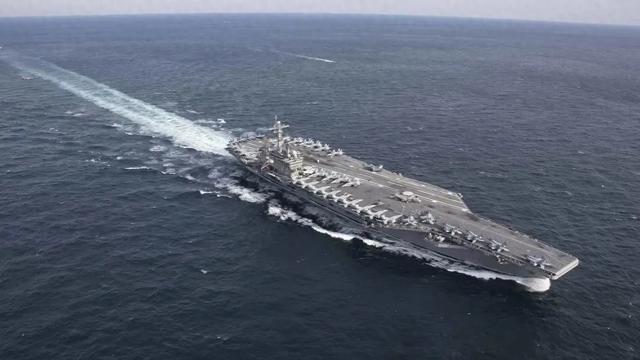
对伊动武?美国将向中东增派航母,伊朗:将坚决回应任何侵略行为
Xin Lang Cai Jing· 2026-01-16 23:10
Core Viewpoint - The U.S. is increasing military presence in the Middle East, including deploying at least one aircraft carrier and additional missile defense systems, as President Trump considers military action against Iran [1][2]. Military Deployment - The U.S. military is expected to enhance its air, land, and sea forces in the Middle East within days or weeks, providing military options for Trump if he decides to strike Iran [2]. - The specific aircraft carrier being deployed is not confirmed, but it could be the "Lincoln" currently in Asia or one of the two carriers that recently left U.S. ports [1]. Diplomatic Efforts - Gulf nations and Israel have engaged in last-minute diplomatic efforts to persuade Trump to delay military action against Iran, fearing potential retaliation against Israel [4]. - U.S. officials indicate that a large-scale strike on Iran may not lead to the collapse of the Iranian government and could escalate regional conflict, prompting Trump to observe Iran's actions before deciding on military options [4]. Economic Pressure - The U.S. Treasury has announced new sanctions against Iran, adding 11 individuals and 13 entities to the sanctions list, as part of increasing economic pressure on Iran [2]. International Reactions - Iran's representatives at the UN have stated that they do not seek escalation but will respond decisively to any aggression [5]. - The Shanghai Cooperation Organization has expressed serious concern over the situation in Iran, opposing unilateral sanctions and advocating for political solutions to the crisis [6].
深夜突发!特朗普:不支持夺格陵兰岛就加税
Zheng Quan Shi Bao· 2026-01-16 16:44
Group 1 - The core viewpoint of the articles revolves around the geopolitical tensions regarding Greenland, with President Trump suggesting potential tariffs on countries that do not support the U.S. acquisition of Greenland [1] - Greenland is the world's largest island and is an autonomous territory of Denmark, with defense and foreign affairs managed by the Danish government [1] - The U.S. currently has a military base in Greenland, and Trump has expressed a strong desire to acquire the territory, even hinting at the possibility of using force [1] Group 2 - U.S. Special Envoy to Greenland, Jeff Landry, plans to visit Greenland in March, expressing optimism about reaching an agreement during the visit [2] - The Prime Minister of Greenland, Jens Frederik Nielsen, reiterated that Greenland will not belong to the U.S. and emphasized the island's autonomy [3] - Multiple countries, including Finland, the Netherlands, and France, have announced plans to send military personnel to Greenland for joint training and exercises, while Poland has expressed concerns about potential U.S. military intervention [4]

1983年,美军入侵格林纳达遭全球声讨
Xin Lang Cai Jing· 2026-01-16 06:42
Group 1 - Grenada, a small Caribbean island nation, experienced significant political turmoil and foreign intervention during the late 20th century, particularly involving the United States and Cuba [1][2] - The U.S. accused Grenada of facilitating Soviet and Cuban military presence in the Caribbean, leading to economic sanctions and military threats against the island [2][3] - Following a coup that resulted in the assassination of Prime Minister Maurice Bishop, the U.S. launched a military invasion under "Operation Urgent Fury" to remove the new anti-American leadership [3][4] Group 2 - The U.S. invasion of Grenada on October 25, 1983, involved 7,000 American troops against a much smaller Grenadian force of approximately 1,500, leading to a swift military victory for the U.S. [3] - The invasion faced international condemnation, with countries like the UK and Canada criticizing the U.S. for violating international law, and the UN General Assembly passing a resolution against the invasion [4] - Domestic opposition to the invasion in the U.S. included large anti-war protests, with over 50,000 participants in Washington, D.C. [4]
美媒披露美国对伊朗动武顾虑:难以“一击制胜”
Xin Hua She· 2026-01-16 06:16
Group 1 - The Trump administration has concerns about military intervention in Iran, fearing it may not achieve regime change and could provoke retaliation from Iran [1] - Advisors to President Trump have indicated that large-scale military strikes are unlikely to lead to regime change in Iran and may escalate into a larger conflict, suggesting a wait-and-see approach regarding the domestic situation in Iran [1] - Regional allies of the U.S., including Saudi Arabia and Qatar, have urged against military action against Iran, and Israel has expressed similar concerns [1] Group 2 - Israeli Prime Minister Netanyahu requested President Trump to delay any military action against Iran to allow more time for Israel to prepare for potential Iranian retaliation [1] - The U.S. is increasing military presence in the Middle East, including deploying at least one aircraft carrier and additional missile defense systems, to provide military options for Trump regarding potential strikes on Iran [2] - Trump has expressed a desire for any military action against Iran to be a "quick, decisive strike" rather than a prolonged conflict [1]