
宠物友好商场

Search documents
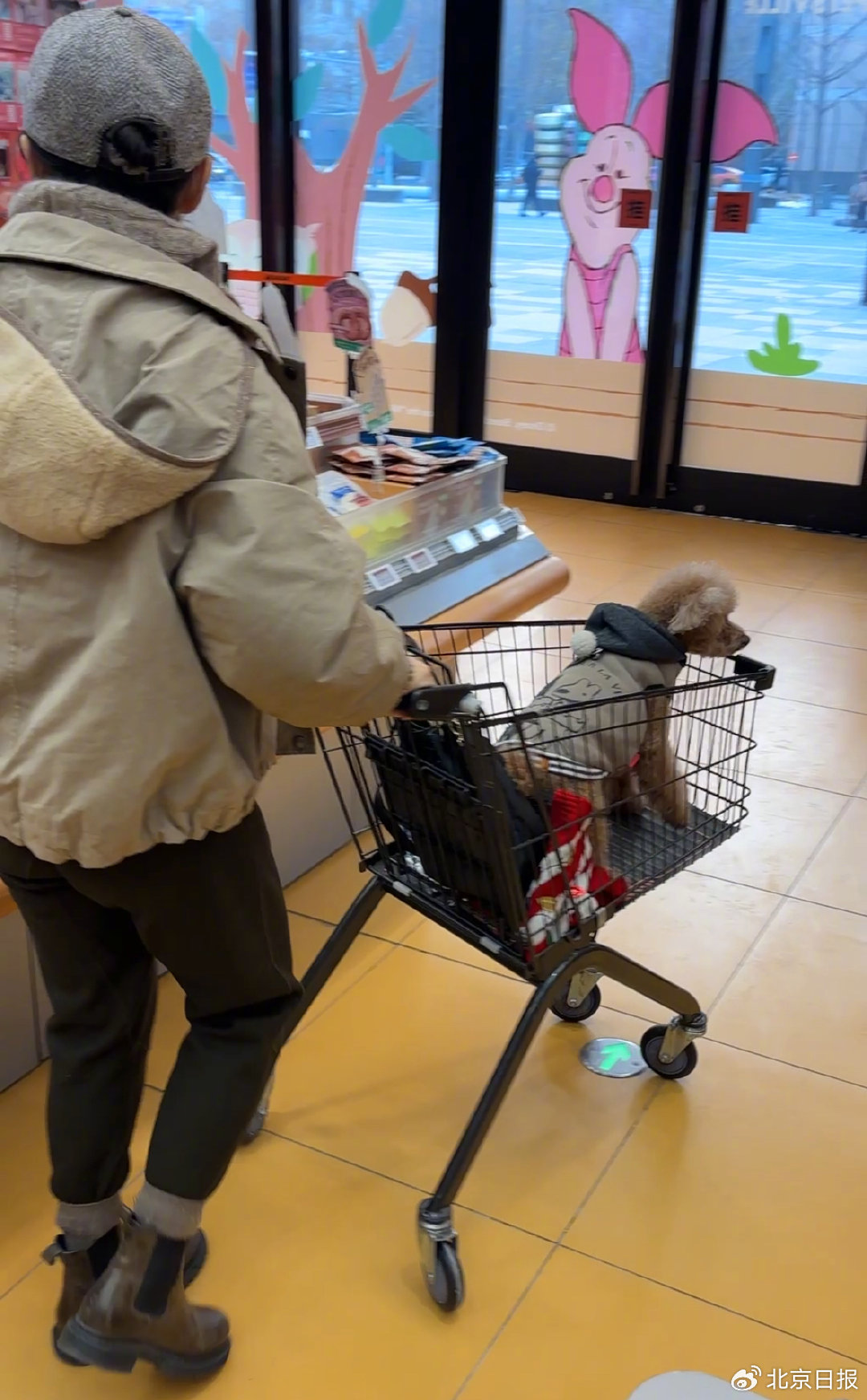
当“毛孩子”也能逛商场,哪些该放开哪些该管好?
Bei Jing Ri Bao Ke Hu Duan· 2026-01-07 05:58
Core Viewpoint - The trend of pet-friendly shopping malls in Beijing is growing, with over 30 malls adopting this concept, but there are significant gaps in facilities and management standards to ensure true pet-friendliness [7][12]. Group 1: Phenomenon of Pet-Friendly Malls - Shopping malls are transforming into social spaces for pet owners, with pets like dogs and cats being welcomed in various areas [1][5]. - The Box mall exemplifies this trend, featuring clear signage for pet policies and amenities such as pet strollers, free pet diapers, and water points [1][5]. - Other malls, like Wanda Plaza, are also attracting pet owners with dedicated facilities, including pet elevators and designated pet areas [5][7]. Group 2: Controversies Surrounding Pet Policies - There are mixed responses regarding the safety and management of pets in malls, with some stores not allowing pets despite the mall's pet-friendly designation [8][9]. - Many malls have inconsistent policies regarding pet access, leading to confusion among pet owners about where pets are allowed [8][12]. - Concerns about hygiene and safety have been raised by parents and non-pet owners, highlighting the need for better management of pet behavior in public spaces [11][12]. Group 3: Facilities and Management Issues - Most pet-friendly malls lack comprehensive facilities, with only a few providing adequate services like pet strollers and designated pet areas [12][13]. - There is a lack of uniform standards for pet access across different malls, with varying height restrictions for pets [12][13]. - The management of pet behavior is often insufficient, with few staff members monitoring compliance with pet policies [12][13]. Group 4: Recommendations for Improvement - Experts suggest that malls should implement refined management strategies, including designated pet-friendly zones and clear rules to minimize conflicts between pet owners and other shoppers [14]. - Establishing a system for monitoring pet behavior and enforcing rules could enhance the shopping experience for all customers [14].

一些商场向宠物开放 带动客流营业额双增 上海正制定国内首个专门管理规范 “它经济”成为商业体发力新“支点”——上海新消费观察②
Jie Fang Ri Bao· 2025-07-20 02:14
Core Insights - The pet economy in China is rapidly growing, with the market size surpassing 700 billion yuan in 2022 and projected to reach 1.15 trillion yuan by 2028, indicating a significant shift in consumer behavior towards pet ownership and related services [1][2] - The trend of "pet-friendly" commercial spaces is emerging, with shopping centers like Suhewan MixC and Xijiao Bailian adapting to attract pet owners by offering various pet-related services and amenities [2][4] Industry Trends - The pet ownership rate in China has reached over 30%, marking a transition from a nurturing phase to a more widespread acceptance of pet ownership [2] - The U.S. pet economy is valued at approximately $150 billion, with about 70% of households owning pets, showcasing a global trend towards pet-friendly environments [2] Commercial Strategies - Shopping centers are increasingly incorporating pet-friendly features, such as dedicated pet areas, pet services, and events to enhance customer experience and drive foot traffic [4][5] - Suhewan MixC has created a pet-themed area offering services like grooming, pet food, and photography, while also hosting community events to engage pet owners [2][5] Consumer Engagement - Events like "Tail Wagging Season" and the "Pet Love Land" initiative have successfully increased foot traffic by nearly 35% and revenue by 10% year-on-year, demonstrating the effectiveness of community engagement strategies [5] - The focus on creating a welcoming atmosphere for both pet owners and non-pet owners is crucial for balancing the needs of diverse customer groups [6] Regulatory Developments - Shanghai is developing the first local standards for pet-friendly spaces, indicating a move towards more structured and regulated environments for pet-related businesses [7]