审美多样性

Search documents
“荒野之国”为何惹众怒?
3 6 Ke· 2025-10-22 08:05
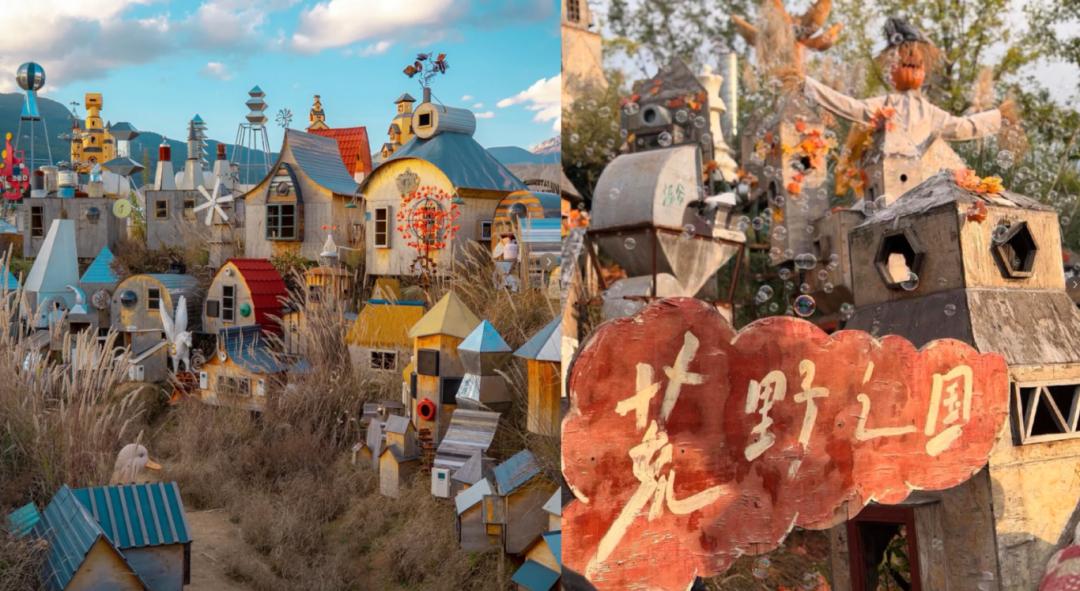
Core Viewpoint - The controversy surrounding "Wild Country" highlights the societal pressure to conform to a singular definition of beauty, which can suppress diverse expressions of creativity and art [1][12][24] Group 1: Background and Development - "Wild Country" was initially created as a private artistic base by several artists using discarded materials to construct installations, fostering a "wasteland aesthetic" [3][8] - The park gained public attention with controversial sculptures like "Human Centipede" and "Three-Faced Girl," leading to polarized opinions [5][6] - The origin of "Wild Country" is linked to a father's desire to create a playground for his daughter, contrasting with online narratives of children being frightened by the installations [6][12] Group 2: Public Reaction and Cultural Implications - The public response is sharply divided, with some labeling it an "aesthetic disaster" while others argue that artistic expression should not be dismissed simply because it does not align with mainstream tastes [6][12] - The park's management issued an apology and began dismantling some controversial pieces in response to public pressure [7][18] Group 3: Broader Cultural Context - The phenomenon reflects a larger trend in cultural tourism where unique local expressions are often replaced by standardized, commercially viable representations [8][13] - A survey from Tsinghua University indicates that over 60% of young people believe art that does not conform to mainstream aesthetics is unworthy of respect, suggesting a narrowing of aesthetic appreciation [17] Group 4: Brand and Market Implications - The situation serves as a warning for brands, particularly in cultural tourism, about the dangers of prioritizing safety and standardization over diversity and creativity [19][24] - Successful brands, like Apple and Nike, demonstrate that true vitality comes from embracing diversity rather than conforming to a single template [20][22][23]