客流循环系统

Search documents
南京元通商圈,“顶流”气质何来?
Ren Min Wang· 2026-01-18 06:15
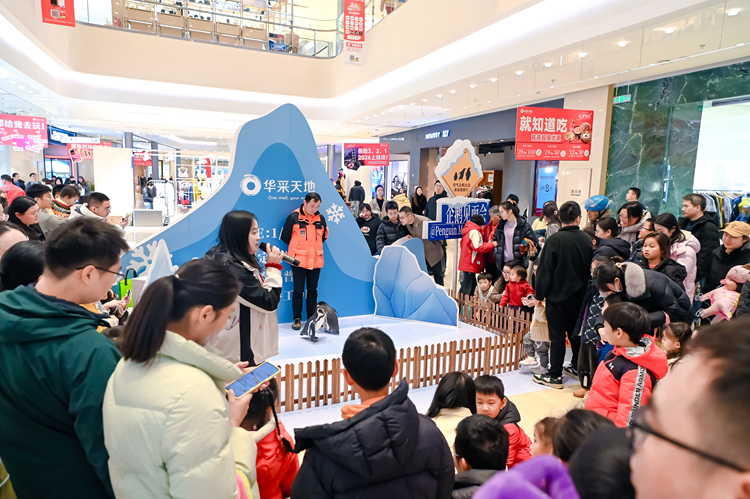
Core Insights - The Nanjing Yuantong business district is emerging as a key consumer destination, particularly highlighted during the New Year celebrations with significant foot traffic and sales growth [1][2] - The area is experiencing a shift from functional consumption to experiential consumption, where consumers are willing to pay for emotional resonance and social experiences [2][3] - The strategic planning and development of the Yuantong area over the past 20 years have created a robust commercial ecosystem, attracting diverse businesses and enhancing consumer engagement [4][6] Group 1: Consumer Trends - The Yuantong business district recorded a foot traffic of 884,000 during the New Year holiday, representing an over 80% year-on-year increase, with sales nearly doubling [1] - The shift towards experiential consumption is evident, as consumers seek emotional connections and social experiences rather than just products [2][3] - Events like the "Hamburger Festival" attracted over 700,000 visitors, showcasing the demand for social experiences among younger demographics [3] Group 2: Strategic Development - The Yuantong area is defined as a primary business district in Nanjing's commercial layout, alongside other key areas, indicating its importance in the city's multi-core commercial strategy [1] - The development of high-end commercial projects, such as the Nanjing International Financial Center and the upcoming Deji Time project, reflects a well-planned approach to urban development [4][6] - The government has implemented a "green channel" for business operations, significantly reducing approval times for promotional activities, which has attracted numerous high-profile brands to the area [11] Group 3: Government Initiatives - The establishment of a dedicated working group for the Yuantong business district aims to enhance coordination and support for commercial activities [9] - The local government has organized events and performances to draw crowds to the business district, effectively converting transient visitors into repeat customers [10] - Financial incentives, such as subsidies for flagship stores and rewards for commercial hubs with multiple new brands, are in place to stimulate growth and diversity in the business landscape [11]