家居零售模式变革

Search documents
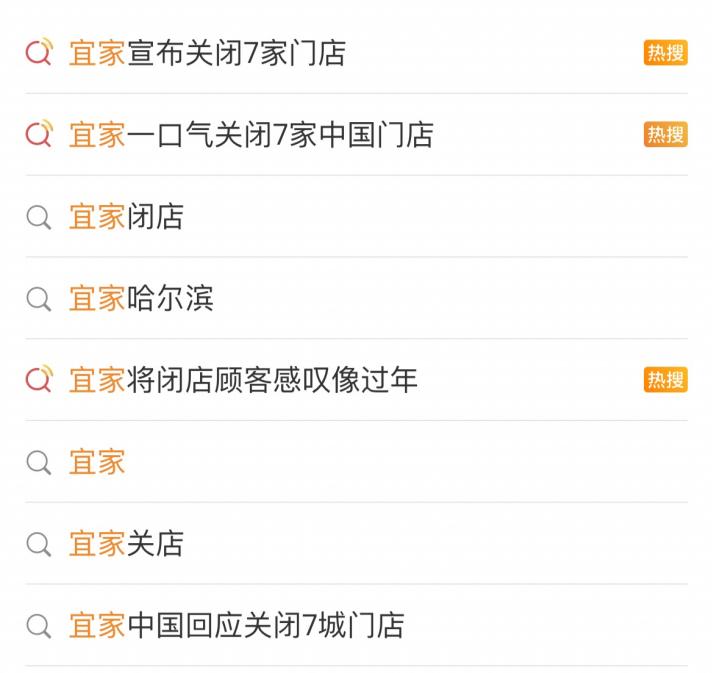
零售巨头宣布关店,清仓引发3小时排队抢购,“现场像过年”
3 6 Ke· 2026-01-27 01:00
Core Insights - IKEA is closing seven stores in China, marking its largest store reduction since entering the market 28 years ago, as it seeks to adapt to changing consumer preferences and market dynamics [3][9][21] - The closures have sparked significant consumer interest, with long lines and a rush to purchase discounted items, indicating a nostalgic farewell to the brand's iconic stores [1][10][17] Group 1: Store Closures and Market Impact - The seven stores being closed include locations in Shanghai, Guangzhou, Tianjin, Nantong, Xuzhou, Ningbo, and Harbin, with operations ceasing on February 2, 2026 [1][9] - This decision is part of a broader trend where IKEA has been closing stores since 2021, with a notable decline in sales growth from 17% to 6.5% between 2021 and 2023 [9][10][19] - The closures are seen as a strategic move to address declining revenues, with sales in the Chinese market dropping from 12.07 billion yuan in the previous fiscal year to 11.15 billion yuan, a decrease of nearly 1 billion yuan [9][10][21] Group 2: Changing Consumer Preferences - The shift in consumer behavior is attributed to a transition from new home purchases to renovations of existing homes, which has reduced the effectiveness of IKEA's large store model [13][14] - Local brands have gained market share by offering more tailored products and services, leveraging e-commerce and local supply chains to meet consumer demands more effectively [15][16] - The nostalgia surrounding IKEA's stores reflects a collective farewell to a shopping experience that is no longer aligned with current consumer needs [10][17] Group 3: Future Strategies - IKEA plans to invest in smaller store formats and digital channels, with a goal to open over ten small stores in the next two years, focusing on high-frequency items and closer proximity to urban consumers [21][22] - The company is also implementing a price subsidy policy for popular products, aiming to regain market interest and adapt to the evolving landscape [22] - The strategic shift indicates a move from a "destination shopping" model to a more integrated approach that combines large warehouses, small urban stores, and online platforms [21][22]