家里蹲

Search documents
为什么后来翻身的人,都有一段家里蹲的过往?
洞见· 2025-12-14 12:36
Core Insights - The article emphasizes that periods of solitude and introspection, often referred to as "staying at home," can lead to significant personal and professional growth, contrary to the common perception of idleness [5][9][41] - It highlights examples of successful individuals who utilized their downtime to reflect, strategize, and ultimately achieve greater success, suggesting that such moments can be transformative [8][11][40] Group 1 - The concept of "staying at home" is presented as a valuable opportunity for self-reflection and growth, rather than a sign of failure or stagnation [9][41] - Successful figures like Blake Mycoskie and Carol have turned periods of inactivity into strategic advantages, allowing them to reassess their paths and make informed decisions [8][30][40] - The article argues that in a fast-paced world, taking time to pause can lead to clearer insights and better future directions [11][30][41] Group 2 - The "heat death theory" is introduced, suggesting that excessive busyness can lead to burnout and stagnation, making it essential to take breaks for mental clarity [13][15] - The narrative includes the experience of a writer who found success after isolating himself from distractions, illustrating the benefits of focused work and self-study [20][22][41] - The article concludes with the idea that returning home is not a sign of defeat but a strategic retreat that can lead to renewed purpose and direction [42][41]


父母花重金“绑架”孩子,日本“家里蹲”背后的怪异产业
Hu Xiu· 2025-06-17 14:01
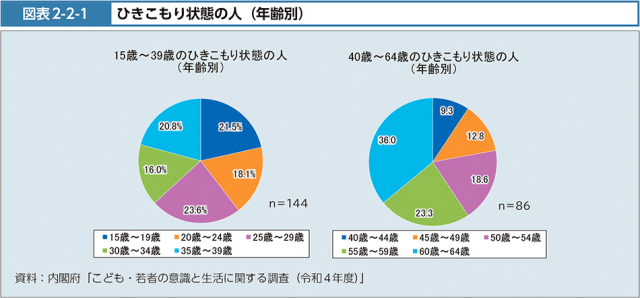
Core Viewpoint - The article highlights the alarming rise of "self-reliance support" institutions in Japan that, under the guise of helping "hikikomori" (social recluses), engage in illegal confinement and human rights violations, raising serious ethical concerns about their practices [1][8]. Group 1: Social Context - The term "hikikomori" refers to individuals, particularly aged 15 to 39, who isolate themselves from society, with approximately 1.46 million in this age group and an additional 613,000 aged 40 to 64, indicating a growing societal issue [2][4]. - Factors contributing to this phenomenon include mental health issues, academic pressure, workplace bullying, and a narrow societal definition of success, which creates immense pressure on young people [6][7]. - The traditional family structure in Japan often leads to a disconnect between parents' expectations and children's desires for self-fulfillment, resulting in parents supporting adult children financially, contributing to the "8050 problem" [4][7]. Group 2: The Role of "Pull-Out Houses" - "Pull-out houses" exploit parental anxiety about their children's future by promising to help them reintegrate into society, often through coercive means, including forced removal from homes [8][15]. - These institutions often charge exorbitant fees, with one center claiming a 95% success rate in employment within six months, which appeals to desperate parents [15][16]. - The methods employed by these institutions include confinement, restriction of communication, and even threats of institutionalization, raising serious ethical concerns about their operations [10][11][17]. Group 3: Consequences and Public Response - The negative outcomes of forced removal can exacerbate psychological trauma and family conflicts, counteracting any potential benefits of the so-called support [17][18]. - High-profile cases, such as the tragic death of a young man in a facility, have sparked public outrage and legal actions against these institutions, leading to increased scrutiny of their practices [13][14]. - The article suggests that genuine support for "hikikomori" should focus on understanding and gradual reintegration rather than coercive measures, emphasizing the need for compassion and patience from families [18].