导演中心制

Search documents
《繁花》维权事件,浮华背后是封建与腐朽
Hu Xiu· 2025-10-21 13:05
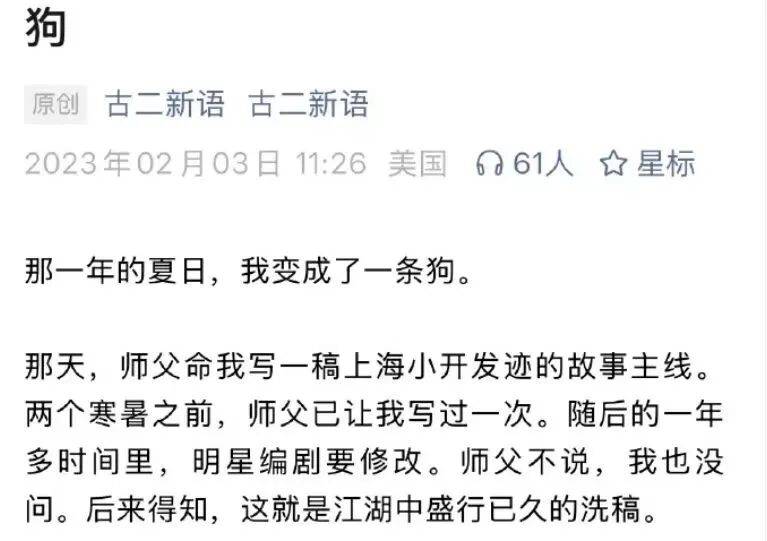
Core Viewpoint - The article discusses the ongoing conflict between screenwriter "Gu Er" and the production team of the series "Blossoms," highlighting issues of authorship, industry respect for writers, and the broader implications of the director-centered system in the film industry [1][2][19]. Group 1: Industry Dynamics - The incident involving Gu Er is a reflection of a common issue in the industry where screenwriters frequently seek to assert their rights, indicating a persistent struggle for recognition and respect [8][21]. - The film industry operates on a director-centered model, which often marginalizes the contributions of screenwriters, leading to a lack of acknowledgment for their creative labor [12][19]. - The lack of a strong union or regulatory framework for screenwriters exacerbates their vulnerability, making it difficult for them to protect their rights and contributions [17][21]. Group 2: Educational and Professional Challenges - The traditional apprenticeship model in screenwriting education fails to equip aspiring writers with the necessary skills to navigate the industry, leading to a perception that their work is undervalued [9][10]. - The industry's project-based compensation system contributes to a culture where screenwriters are seen as expendable, further diminishing their perceived value [21][24]. - Many talented screenwriters are leaving the industry due to its unfavorable working conditions and lack of recognition, indicating a significant talent drain [25][26]. Group 3: Cultural and Social Implications - The ongoing debate around Gu Er's claims highlights a broader cultural issue within the industry, where the contributions of screenwriters are often overshadowed by the prominence of directors and stars [26][29]. - The prevailing narrative in the industry tends to favor established figures, reinforcing a cycle of power dynamics that marginalizes emerging talent and their contributions [28][29]. - The article suggests that the industry's current trajectory, characterized by a lack of respect for creative labor, may lead to a decline in the quality and diversity of storytelling in film and television [24][30].

不赚钱的文艺片,为何一直有人投资
3 6 Ke· 2025-07-31 07:25
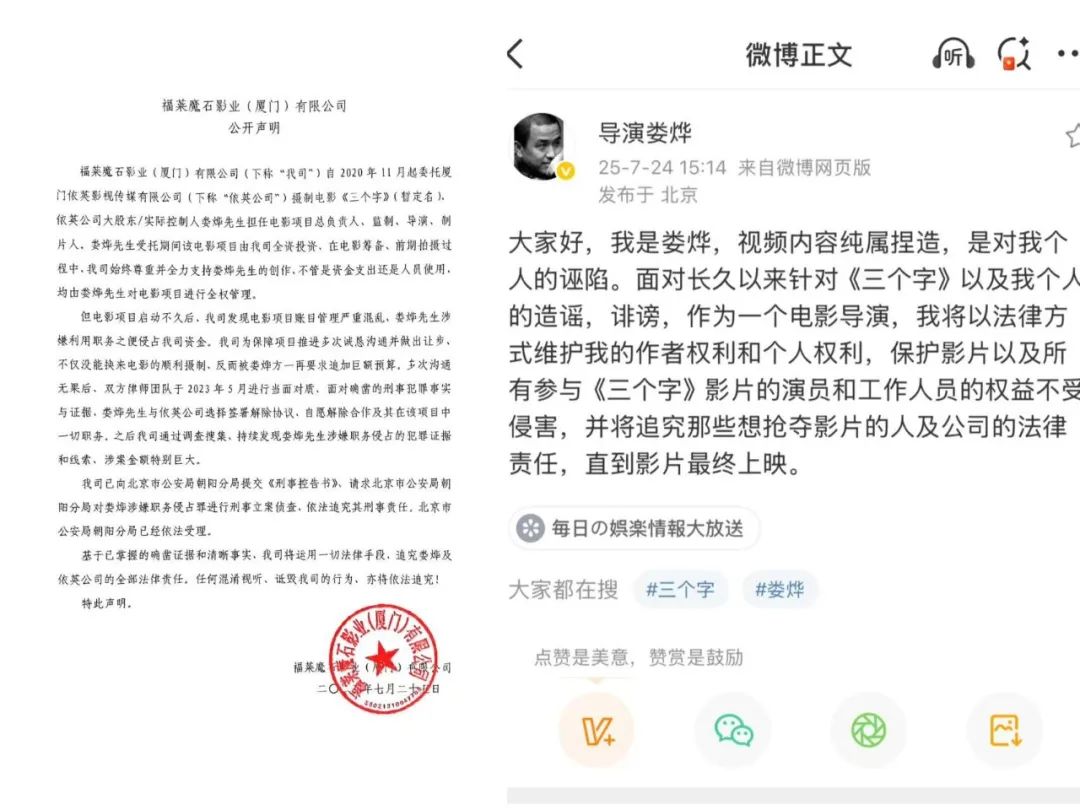
Core Viewpoint - The current state of the art film industry in China is facing significant challenges, with controversies surrounding directors and production companies highlighting a broader decline in audience trust and interest in art films [1][3][5]. Group 1: Industry Challenges - The recent controversy involving director Lou Ye and the production company Fulei Moshih has exposed the fragile reputation of the art film sector, indicating a lack of public confidence in the industry [1][3]. - Art films are struggling to attract audiences, with the market experiencing a "cold winter," as evidenced by the failure of many anticipated projects to materialize [5][19]. - The financial viability of art films is in question, as even high-profile projects with star actors have not achieved profitability, leading to a reevaluation of investment strategies [6][9][11]. Group 2: Financial Dynamics - Art films typically operate under two business models: strict cost control to achieve profitability through film festival awards and limited box office returns, or high-budget productions relying on star power to attract audiences [6][9]. - The investment in art films often does not yield returns, with examples of films directed by Lou Ye failing to break even despite significant investments [11][13]. - The involvement of production companies with questionable financial backgrounds raises concerns about the sustainability of funding for art films [11][13]. Group 3: Creative and Structural Issues - The director-centric model prevalent in the Chinese film industry limits accountability and can lead to excessive spending and project delays, further complicating the financial landscape for art films [14][16]. - The lack of a robust production system akin to Hollywood's makes it difficult for art films to achieve consistent quality and profitability, as directors often prioritize personal artistic expression over commercial viability [14][16]. - The current trend in art film production is criticized for lacking innovation, with many new directors producing derivative works that fail to resonate with audiences [25].