工具匹配

Search documents
芯片测试,越来越难了
半导体行业观察· 2026-03-11 02:00
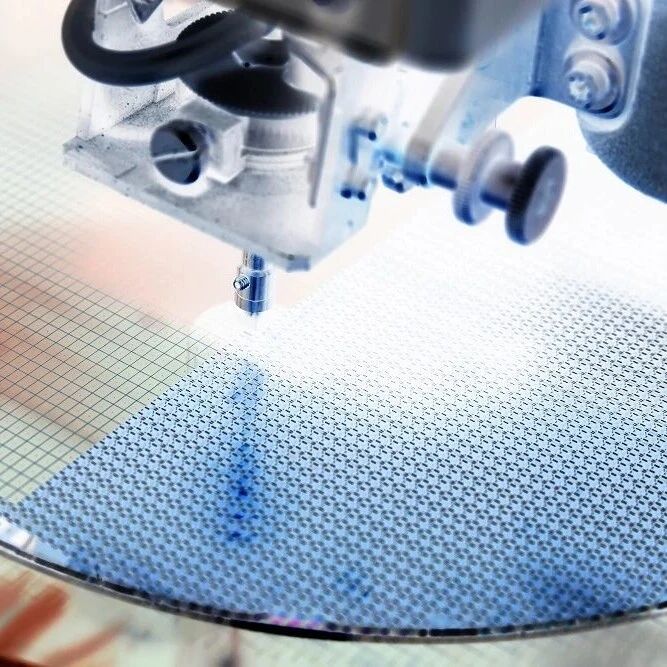
Core Viewpoint - The article discusses the increasing complexity and challenges of tool matching in semiconductor manufacturing, emphasizing the need for consistency across various processes and equipment to ensure high yield and performance. Group 1: Tool Matching Challenges - As semiconductor manufacturing processes become more complex, achieving tool-to-tool matching (TTTM) is increasingly difficult due to smaller feature sizes and tighter process windows [2] - The production of chips may involve 600 to 800 steps within three months, necessitating high standards for measurement and testing systems [2] - Shorter product lifecycles and faster yield improvement rates add pressure to tool matching operations, requiring greater transparency and reduced sources of error [2][3] Group 2: Tool Matching Methods - Tool matching ensures output consistency between different Automatic Test Equipment (ATE) by using standard wafers traceable to the National Institute of Standards and Technology (NIST) [2] - Various methods exist for achieving tool matching, including statistical comparisons to a reference tool known for its performance [3] - Tool matching is not a one-time process; it must be performed frequently, especially with advanced processes and new product introductions [3][4] Group 3: Data Sharing and Collaboration - To meet the demands of leading device manufacturers, enhanced data sharing is necessary, combining device-specific data with tool-level data for better performance consistency [5] - The integration of machine learning models can help in identifying and managing tool fingerprints, improving the accuracy of tool matching [14] Group 4: Measurement and Calibration - Precision and accuracy are critical in measurement, with accuracy defined as the closeness of a measurement to its true value [6] - Regular calibration and monitoring of tools are essential to maintain performance consistency across different equipment [9][10] - The correlation between measurement results and electrical testing is becoming increasingly important in ensuring that tools perform at levels that do not adversely affect device performance [10] Group 5: Future Directions - The industry is moving towards continuous data-driven monitoring systems for tool matching, reducing the need for periodic manual checks [11] - Machine learning is expected to play a significant role in enhancing tool matching and managing tool fingerprints, allowing for more automated decision-making processes [14][15] - As feature sizes shrink, the challenges of tool matching will intensify, necessitating advanced modeling of random effects such as line edge roughness and CD uniformity [15]