
干涉中国内政

Search documents
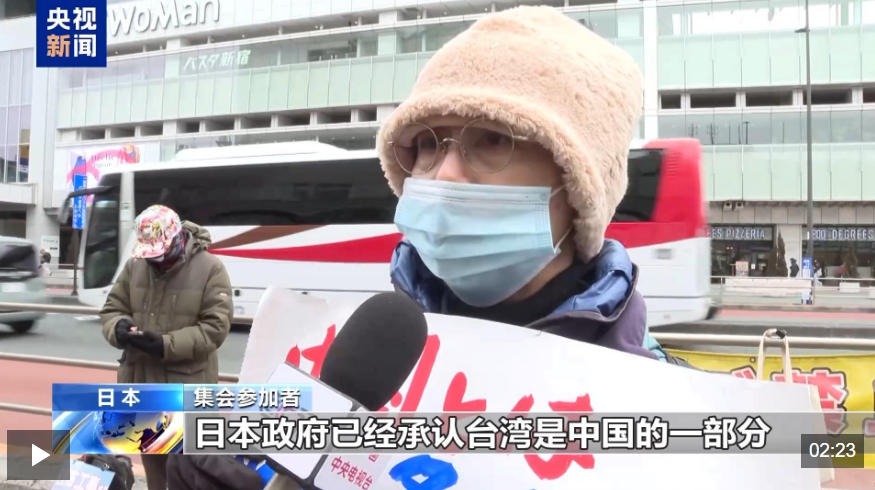
视频丨日本民众集会批评高市早苗错误言论 反对军备扩张
Yang Shi Xin Wen Ke Hu Duan· 2026-02-07 13:26
Group 1 - The core viewpoint of the protests is the criticism of Japanese Prime Minister Sanae Takaichi's remarks regarding Taiwan, with calls for her to retract her statements or resign due to the serious implications of her comments [2] - Protesters express that many in Japan are angry with Takaichi, emphasizing that the government should prioritize diplomacy and adhere to the peace constitution to avoid provoking war [3] - There are concerns that Takaichi's statements interfere with China's internal affairs, and there are demands for her to sincerely apologize for her comments [4] Group 2 - Protesters highlight the dangers of Japan's military expansion, noting that while wars have ended for decades, reflections and reconciliations regarding past conflicts remain incomplete [6] - Environmental issues surrounding U.S. military bases in Japan, particularly in Okinawa, are raised, with reports of harmful substances found in the vicinity of military installations [6][7] - The long-standing environmental pollution issues linked to U.S. military bases, including the accumulation of perfluorinated compounds, are noted, with potential health impacts on humans and fetuses [8]

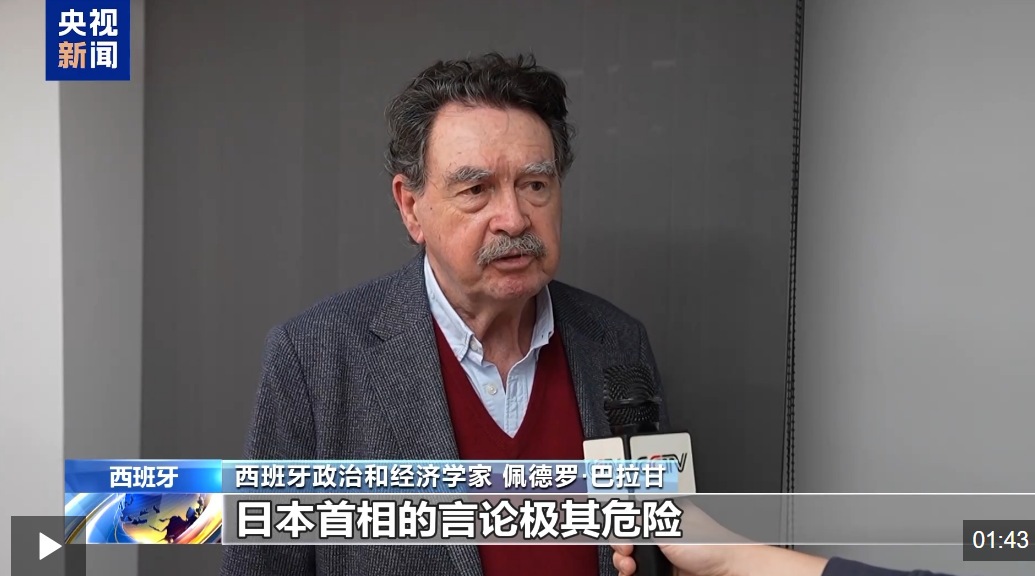
视频丨国际人士:日本首相高市早苗错误言论极其危险
Yang Shi Xin Wen Ke Hu Duan· 2026-01-20 02:22
Core Viewpoint - The recent statements and military expansion plans by Japanese Prime Minister Sanae Takaichi have raised significant concerns and criticisms from the international community, indicating a shift towards a more aggressive stance in Japan's foreign policy [1][3][4]. Group 1: Statements and Reactions - Multiple international figures have expressed that Takaichi's remarks are extremely dangerous, as they involve aggressive interference in neighboring countries' internal affairs and threaten military intervention in Taiwan [3]. - Takaichi's comments about Taiwan being a "survival crisis" for Japan have been labeled as unreasonable and a source of tension in the Asia-Pacific region [6]. Group 2: Military Expansion and Policy Changes - The Japanese government is perceived to be abandoning its long-standing pacifist policies enshrined in its constitution, moving towards a confrontational military expansion strategy that disrupts regional peace [4]. - There are concerns that Japan is reviving militarism, with discussions around nuclear armament, which could have serious implications for regional stability [3].
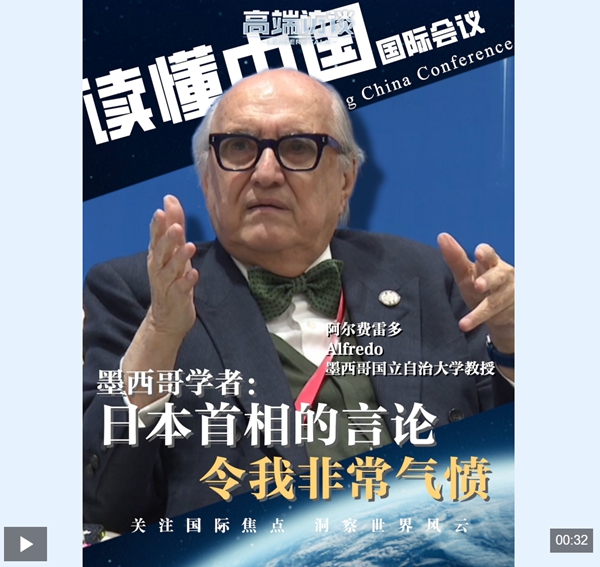
高端访谈丨墨西哥学者:高市涉台言论应撤回 这是在干涉中国内政
Yang Shi Xin Wen Ke Hu Duan· 2025-11-30 14:35
Group 1 - The core viewpoint of the article highlights the outrage expressed by Professor Alfredo from the National Autonomous University of Mexico regarding Japanese Prime Minister Kishi's comments on Taiwan, which he perceives as interference in China's internal affairs [1][3] - Professor Alfredo emphasizes that Japan has made a mistake on this issue and calls for Prime Minister Kishi to retract her erroneous statements [3] - There is a call for improved relations between Japan and China, with a specific request for Kishi to refrain from interfering in the internal affairs of other countries [3]
外交部:敦促有关国家和机构停止为反中乱港分子撑腰张目,停止干涉中国内政
Huan Qiu Wang· 2025-08-11 12:41
Core Viewpoint - The Chinese government expresses strong dissatisfaction and firm opposition to the G7 countries' criticism of Hong Kong's law enforcement actions against individuals involved in illegal election activities, labeling it as "transnational repression" [1] Group 1: Government Response - The Chinese government asserts that the actions taken by the Hong Kong police under the National Security Law are in accordance with international law and customary practices, deeming them reasonable, legal, and necessary [1] - The statement highlights that accusations from certain countries regarding "transnational repression" are unfounded and reveal hypocrisy and double standards [1] Group 2: Support for Law Enforcement - The central government of China firmly supports the Hong Kong police in their law enforcement actions against individuals and organizations that undermine national security, emphasizing the importance of maintaining long-term stability in Hong Kong [1] - The Chinese government urges foreign nations and organizations to cease their support for anti-China elements in Hong Kong and to stop interfering in China's internal affairs [1]