年报编制

Search documents
河北省上市公司协会举办2025年年报编制专题培训
Sou Hu Cai Jing· 2026-02-02 10:41
Core Viewpoint - The training organized by the Hebei Provincial Listed Companies Association aims to enhance the quality and compliance of the 2025 annual report preparation and disclosure among listed companies, emphasizing the importance of accurate and effective communication in the new media era [3][4]. Group 1: Training Overview - The training session was attended by nearly 300 participants, including board secretaries and staff involved in annual report preparation from 85 listed companies in the region [3]. - The training combined offline and online formats to facilitate effective learning and engagement [3]. Group 2: Expert Contributions - Legal experts provided insights on the practical aspects of annual report preparation, focusing on the revised content and format guidelines for 2025, highlighting key challenges and common pitfalls in compliance [3]. - A media expert discussed strategies for managing public sentiment in the new media era, offering practical guidance on enhancing information disclosure and response capabilities [3]. Group 3: Importance of Compliance - High-quality annual report preparation is not only a legal requirement but also a crucial measure for companies to demonstrate their value, maintain market credibility, and gain investor trust [4]. - Companies are encouraged to prioritize communication and sentiment management, actively monitoring and guiding public perception related to their annual reports [4]. Group 4: Future Initiatives - The Hebei Provincial Listed Companies Association plans to continue providing practical and efficient professional empowerment activities to support member companies in strengthening their information disclosure and corporate governance foundations [4].


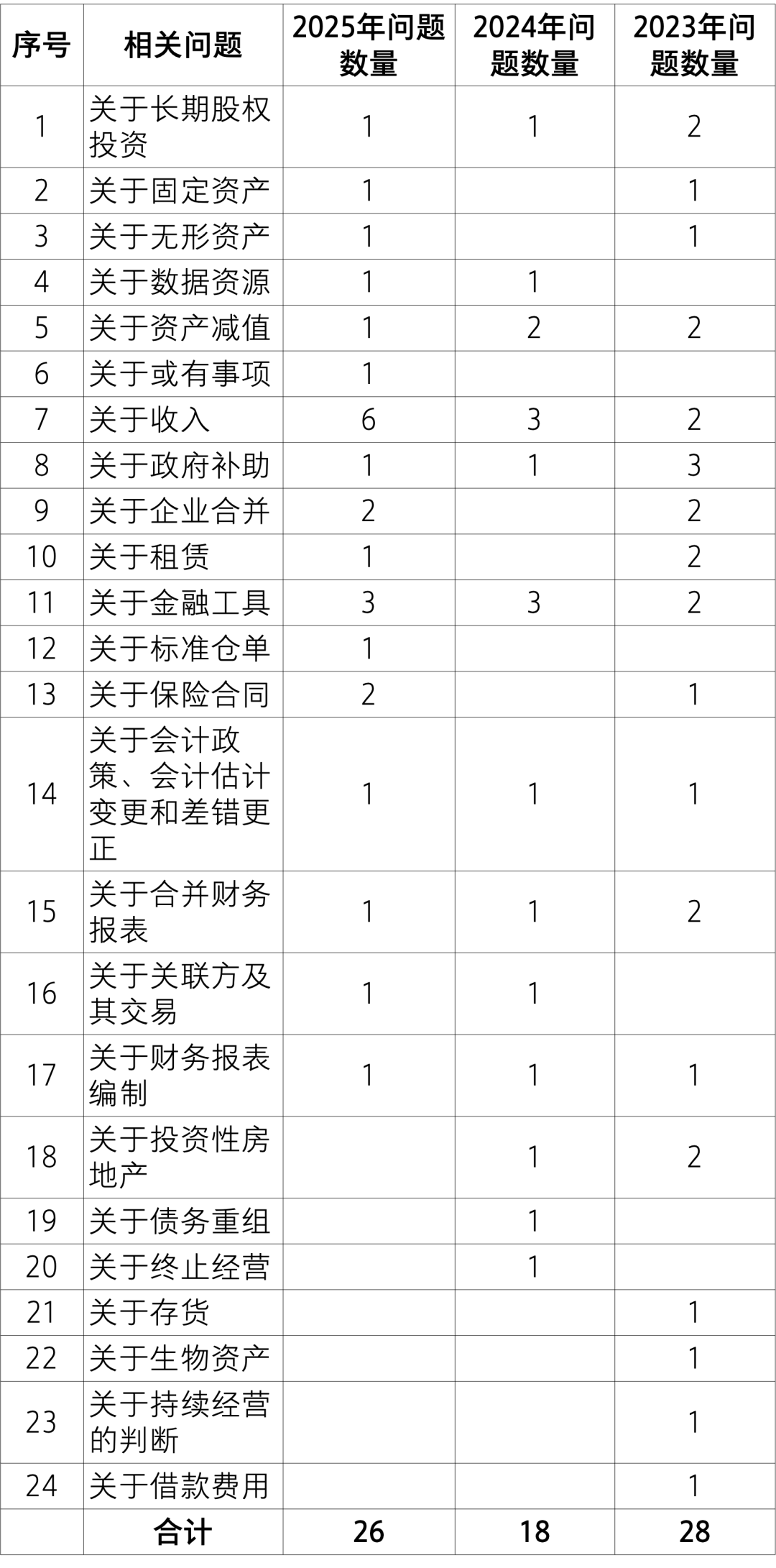
【致同提示】编制2025年年报应予关注的企业会计准则实施重点技术问题
Xin Lang Cai Jing· 2026-01-04 01:25
Core Viewpoint The article discusses the key focus areas for the implementation of accounting standards in the 2025 annual report, emphasizing the importance of adhering to specific guidelines set forth by regulatory bodies to ensure accurate financial reporting. Group 1: Key Focus Areas for Accounting Standards - The 2025 annual report will particularly emphasize the judgment of business combinations, especially when the acquired entity's main assets are equity interests in joint ventures, which should not be directly recognized as a business solely based on the nature of the joint venture [2] - Companies must consider credit risk, payment delay risk, and interest rate risk when determining whether to derecognize endorsed or discounted bills [2] - Financial instruments with interest rate step-up clauses must be assessed against market rates to determine if the capped rate exceeds the average rate of similar instruments in the industry [2] Group 2: Long-term Equity Investments - Companies should comprehensively assess all relevant facts when determining significant influence over investees, avoiding arbitrary changes based solely on individual actions like appointing directors [4][5] - The judgment of significant influence should not vary across accounting periods without substantial changes in ownership structure or decision-making power [6] Group 3: Fixed Assets - Fixed assets must be recognized and depreciated promptly once they are ready for use, regardless of whether completion reports have been finalized [7][9] - The cost of fixed assets includes all necessary expenditures to bring the asset to a usable state, and depreciation should be based on reasonable estimates of useful life and residual value [8] Group 4: Intangible Assets - Companies must accurately categorize R&D expenditures and distinguish between research and development phases, ensuring that only qualifying development costs are capitalized [10][11] - Expenditures that do not meet the criteria for capitalization should not be included in R&D costs, particularly if they do not pass feasibility verification [14][15] Group 5: Data Resources - Companies must adhere to the definitions and recognition criteria for data resources as outlined in the relevant accounting standards, ensuring that only qualifying data resources are recognized as assets [16][24] - Internal data resource expenditures must be managed and accounted for separately, and previously expensed data resources cannot be re-capitalized [17][20] Group 6: Asset Impairment - Companies are required to assess impairment for various long-term assets, including fixed assets and goodwill, based on reliable internal and external information [25][26] - Goodwill must undergo annual impairment testing regardless of whether there are indications of impairment, and the recoverable amount should be determined based on the higher of fair value less costs to sell and value in use [27][28]