
广东百千万工程

Search documents
广东人识食,也识种地!
21世纪经济报道· 2026-01-23 23:40
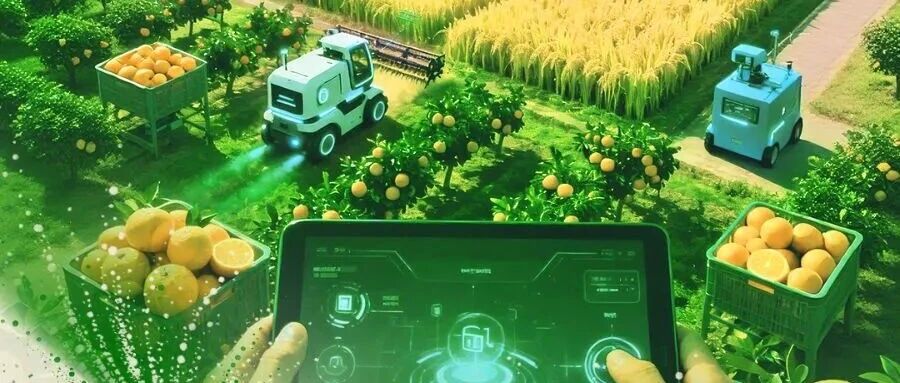
Core Viewpoint - The article emphasizes the transformation of agriculture and fishing in Guangdong, showcasing how technology has redefined traditional practices and enhanced productivity [1][9]. Group 1: Technological Innovations in Agriculture and Fishing - The "Lingding Ranch No. 1" fish farming vessel can produce up to thousands of tons of fish annually, representing a shift towards marine agriculture [3]. - The Beidou satellite system enables precision farming with centimeter-level instructions for unmanned tractors, significantly improving efficiency [5]. - Cold chain logistics for Maoming lychees extend shelf life from 3 days to 40 days, allowing for fresh produce to reach international markets like New York [5]. Group 2: New Roles and Practices in Agriculture - Farmers are now referred to as "data poets," utilizing technology to double crop yields and apply quantitative standards to traditional practices like tea making [7]. - Young returnees are transforming traditional crops into popular products, exemplifying the shift towards modern agricultural management [7]. - Live streaming from fields allows local products to reach a wider audience, enhancing market access for regional goods [7]. Group 3: Underlying Drivers of Change - The transformation is driven by the "Hundred Thousand Project" in Guangdong, which focuses on integrating technology and talent into agriculture [9]. - The initiative aims to reduce labor intensity for workers while increasing income for new farmers, promoting sustainable agricultural practices [9]. - The cultural significance of local products is emphasized, aiming to enhance their marketability and reach [9]. Group 4: Conclusion - The article concludes that technology empowers individuals and shapes the future of agriculture in Guangdong, marking a significant evolution in the sector [11].

热度拉满,广东正在上演……
2 1 Shi Ji Jing Ji Bao Dao· 2025-05-29 15:00
Core Viewpoint - Guangdong's "Hundred-Thousand-Million Project" aims to address regional development imbalances and contribute to China's modernization through a combination of industrial focus, reform, and community engagement [1][15]. Group 1: Project Overview - The "Hundred-Thousand-Million Project" is designed to transform urban and rural areas, leveraging historical trends and development rules [1][2]. - The project emphasizes the importance of county-level governance, with 122 counties identified as key points for regional development [2][3]. Group 2: Agricultural Development - Guangdong has seen a continuous increase in grain sowing area, total output, and yield, leading the nation in agricultural exports [4]. - The establishment of 22 national modern agricultural industrial parks and two trillion-yuan industrial clusters supports the agricultural transformation [7]. Group 3: Urbanization and Infrastructure - 37 counties are advancing new urbanization pilot projects, with 65 central towns aligning with small city development standards [8]. - Significant improvements in rural sanitation and infrastructure have been made, including a 97% coverage rate for sanitary toilets in rural areas [12]. Group 4: Economic Growth and Investment - Over 1,220 projects have been undertaken in the past two years, attracting more than 520 billion yuan in investments, transforming previously underdeveloped areas into vibrant economic zones [7]. - The income ratio between urban and rural areas has narrowed to 2.31:1, indicating a positive trend in income equality [8]. Group 5: Cultural and Environmental Initiatives - The project includes efforts to enhance rural aesthetics and cultural heritage, with initiatives like the "Yue Beautiful Countryside" design competition [13]. - Environmental improvements have been made, including the creation of new green spaces and ecological parks, contributing to a cleaner rural environment [12][14].