应急医疗培训

Search documents
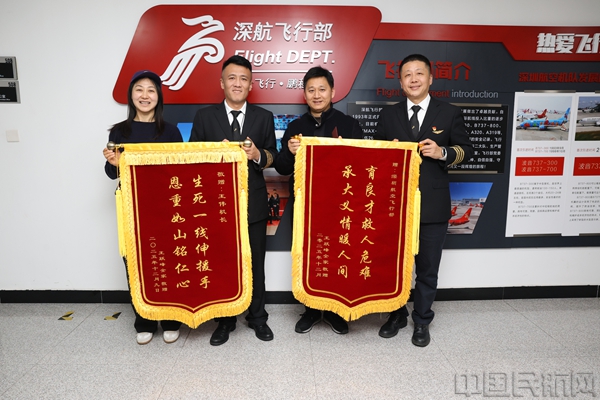
深航机长上演教科书式救人
Zhong Guo Min Hang Wang· 2025-12-31 04:37
Core Viewpoint - The successful rescue of a cardiac arrest victim by a Shenzhen Airlines pilot highlights the importance of emergency medical training and preparedness in the aviation industry [1][3]. Group 1: Incident Overview - A citizen named Wang Yuefeng collapsed on a basketball court due to cardiac arrest, and Shenzhen Airlines pilot Wang Wei quickly intervened using his emergency medical training [1][2]. - Wang Wei performed continuous and standardized cardiopulmonary resuscitation (CPR) and requested the nearby automated external defibrillator (AED) while bystanders called for emergency services [2]. Group 2: Training and Preparedness - Shenzhen Airlines conducts regular emergency medical training, including theoretical refreshers every 12 months and practical assessments on CPR and AED usage every 24 months, ensuring all personnel are well-prepared [3]. - The company has equipped its operations with 42 AEDs and trained over 1,000 ground staff in emergency response skills [3]. Group 3: Community Response - The quick actions of bystanders and community staff, who were familiar with the AED's location, significantly improved the efficiency of the rescue operation [3]. - Wang Yuefeng expressed gratitude towards Wang Wei and Shenzhen Airlines for the successful intervention that saved his life [2].