庞氏骗局变种

Search documents
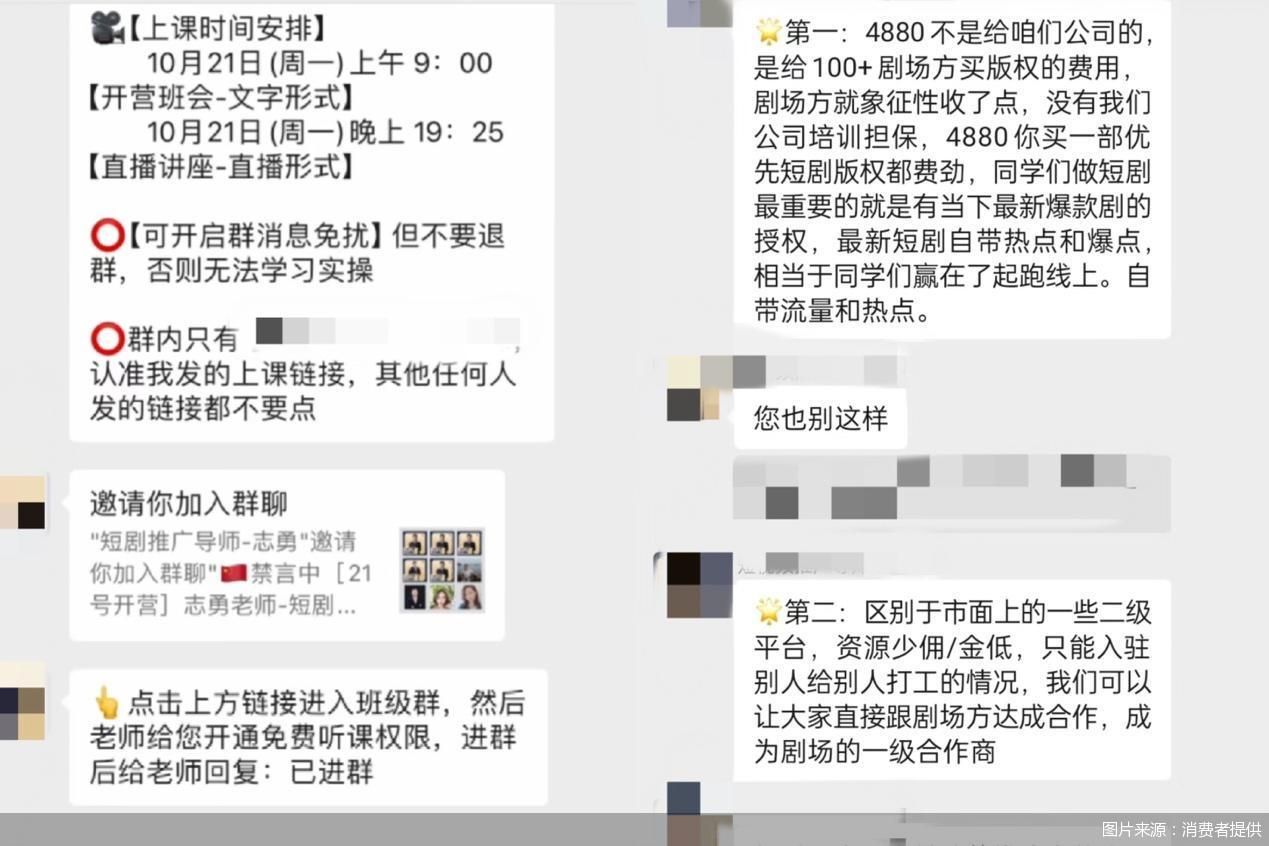
短剧推广轻松月入过万?“最强副业”套路深
Bei Jing Shang Bao· 2025-03-25 12:39
Core Viewpoint - The article highlights the deceptive practices surrounding short video promotion, which is marketed as a lucrative side job but often involves hidden costs and misleading promises [1][2][15]. Group 1: Deceptive Marketing Tactics - Many businesses promote short video marketing as a "zero-cost money-making" opportunity, attracting users with claims of high earnings without prior experience [1][2]. - Free courses are often used as bait, leading to expensive "authorization" fees that users must pay to participate in the promotion [2][4]. - Users are misled into believing they can earn commissions by referring new members, but they face high withdrawal thresholds and additional fees that prevent them from accessing their earnings [5][7]. Group 2: Financial Barriers and Withdrawal Issues - Users are required to pay promotional fees upfront, with promises of refunds and earnings that rarely materialize [9][12]. - The platforms impose minimum withdrawal limits, which often trap users into spending more money to reach the threshold for cashing out [12][13]. - Complaints about these platforms indicate widespread issues with false advertising and difficulties in withdrawing funds, suggesting a pattern of consumer exploitation [13][15]. Group 3: Legal and Ethical Concerns - The practices described may violate consumer protection laws, as they impose unfair trading conditions and modify transaction rules without consent [7][12]. - Experts suggest that these schemes resemble a form of a Ponzi scheme, where profits are concentrated at the top, leaving most participants with losses [7][15]. - There is a call for regulatory measures to ensure transparency and fairness in the marketing of short video promotion services [15].