
廉洁单元建设

Search documents
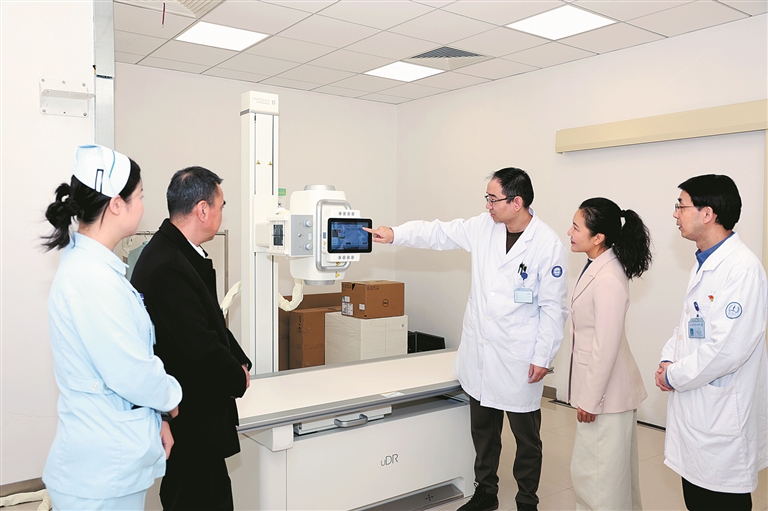
深度关注丨以“阳光采购”压缩寻租空间
Zhong Yang Ji Wei Guo Jia Jian Wei Wang Zhan· 2026-01-07 23:39
Core Viewpoint - The article discusses the implementation of centralized procurement for large medical equipment in Nanjing, aimed at reducing corruption risks and enhancing transparency in the procurement process [1][4][17]. Group 1: Centralized Procurement Implementation - Nanjing's centralized procurement for large medical equipment is part of a broader initiative to address corruption in high-value, resource-rich sectors [3][4]. - The procurement process includes a comprehensive assessment of existing medical equipment across hospitals to ensure effective purchasing and prevent waste [9][10]. - The first round of centralized procurement includes five categories of medical equipment, with a total budget of approximately 300 million yuan, leading to significant cost reductions [9][10]. Group 2: Risk Mitigation and Oversight - The Nanjing Municipal Commission for Discipline Inspection emphasizes the importance of identifying and addressing corruption risks in the procurement process [6][11]. - A case involving collusion between hospital officials and equipment suppliers highlighted the need for stringent oversight and the establishment of a centralized procurement authority [6][11]. - The introduction of a digital platform for monitoring procurement activities aims to enhance transparency and facilitate real-time data analysis to identify irregularities [13][14]. Group 3: Collaboration and Education - The initiative involves collaboration between various departments to ensure effective supervision and implementation of procurement policies [5][15]. - Continuous education and reminders about compliance and ethical standards are crucial for maintaining integrity in the procurement process [11][15]. - The article underscores the need for a dual approach combining technological solutions with human oversight to prevent corruption [18].

南京多措并举推动涉法涉诉信访问题实质化解
Nan Jing Ri Bao· 2025-11-11 03:03
Core Viewpoint - The article highlights the successful implementation of a special action in Nanjing to address legal-related petition issues, focusing on resolving conflicts and improving the judicial process through systematic measures and community engagement [1][2][4]. Group 1: Special Action Implementation - Nanjing's judicial system has initiated a concentrated effort to resolve legal-related petitions, with a focus on understanding and addressing the root causes of conflicts [2][3]. - The city has reviewed 9,487 legal-related petitions since 2022, identifying 741 unresolved cases for targeted resolution, with 571 of these classified as complex and assigned to leadership for resolution [2][3]. Group 2: Conflict Resolution Strategies - The courts have adopted a comprehensive approach to conflict resolution, employing various methods such as legal explanations, emotional resonance, and community mediation to address both legal and emotional grievances of petitioners [3][4]. - A total of 646 cases have been successfully resolved or concluded, representing 87.2% of the targeted petitions, including long-standing cases over 10 years old [4]. Group 3: Quality Control and Accountability - The judicial system has implemented a self-inspection and evaluation process to identify and rectify issues within the handling of petitions, ensuring fairness and transparency in judicial decisions [4][5]. - Measures have been established to enhance the quality of judicial proceedings, including a three-tiered mechanism for petition resolution, which emphasizes accountability and continuous improvement in judicial practices [5].