
廉洁风险排查

Search documents
镜头丨廉洁风险排查
Zhong Yang Ji Wei Guo Jia Jian Wei Wang Zhan· 2026-01-09 03:52
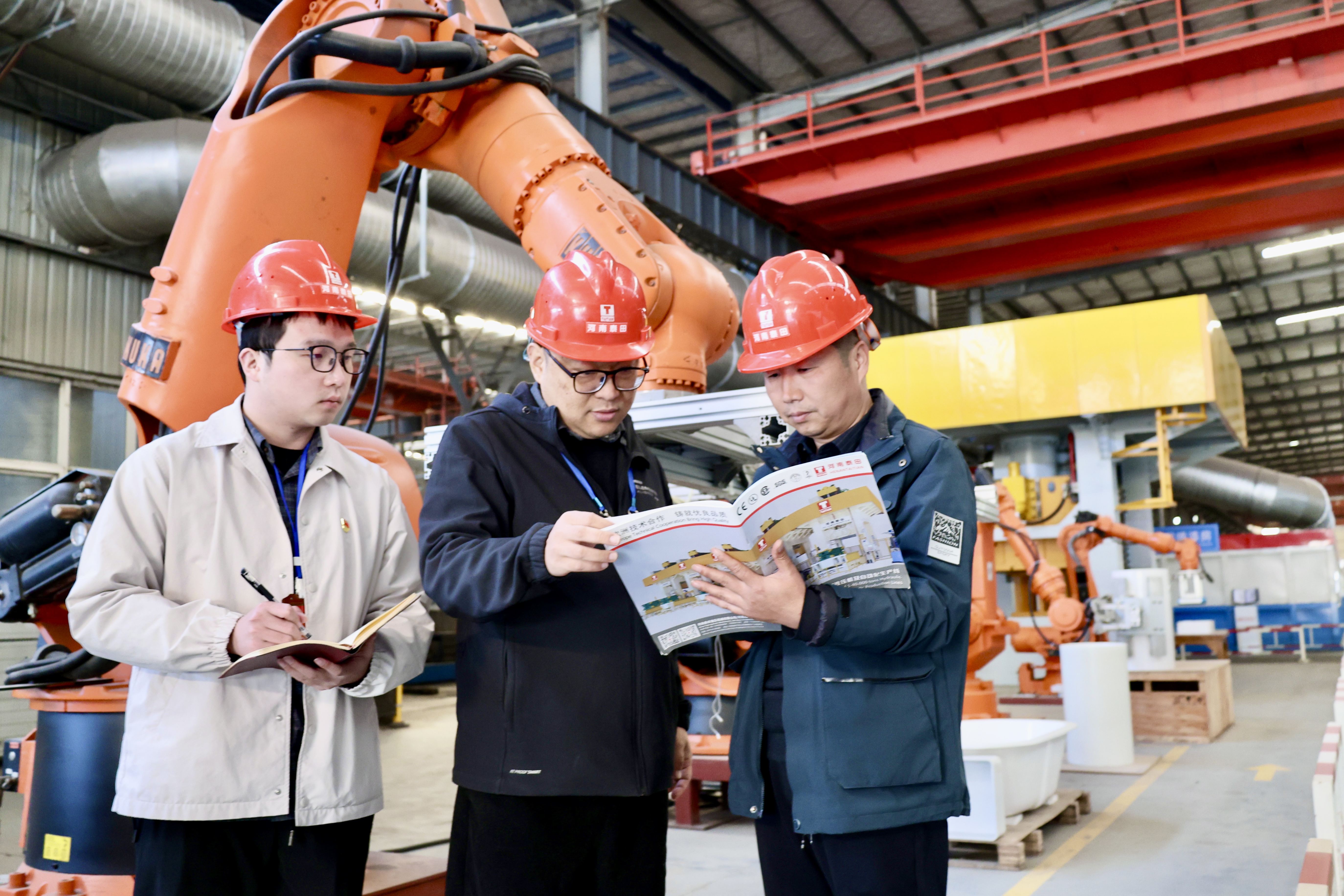
Group 1 - Various local disciplinary inspection and supervision commissions focus on key areas and critical positions to systematically identify integrity risk points in power operation and institutional execution through interviews and on-site verifications [1][5] - The focus is on establishing a sound integrity risk prevention mechanism, with measures such as risk list compilation, regular supervision and rectification, and precise accountability [5] - In Yucheng County, the disciplinary inspection and supervision commission closely monitors daily activities of party members and cadres, including aspects like dining, accommodation, travel, and shopping, to comprehensively identify and correct potential "four winds" issues [8] Group 2 - In Fuyang District, Hangzhou, the disciplinary inspection and supervision commission conducts one-on-one integrity briefings for newly appointed leaders to ensure they understand their responsibilities and avoid integrity risks [12] - In Dayu County, the focus is on the management of "campus meals," with a comprehensive supervision system established from the "distribution center" to the "student's table" to ensure food safety [15] - In Xuanzhou District, Xuancheng City, the emphasis is on deepening supervision in state-owned enterprises, promptly compiling problem lists, and urging relevant departments to fulfill their responsibilities and rectify issues [19]

提升国有资产监督质效
Zhong Yang Ji Wei Guo Jia Jian Wei Wang Zhan· 2025-09-18 00:56
Group 1 - The core viewpoint emphasizes the need for regular supervision of state-owned asset management to ensure comprehensive standardization, transparency, and effective oversight, ultimately serving economic and social development [1] - The responsibility of regulatory bodies for state-owned asset management is to be reinforced, integrating supervision with the implementation of major government projects, and focusing on the improvement of asset management systems and the effectiveness of asset utilization [1] - There is a call for targeted risk assessments and the establishment of comprehensive regulations to ensure the proper functioning of power in the management and use of state-owned assets [1] Group 2 - Daily supervision is to be strengthened with a focus on problem-oriented approaches, involving multiple departments to monitor asset management and compliance in various stages such as acquisition, custody, and inventory [2] - The use of diverse methods such as inspections, on-site checks, and discussions is encouraged to ensure compliance in asset utilization, leasing, and external investments [2] - A mechanism for accountability is to be established, with timely feedback on issues found during inspections and strict consequences for violations, particularly regarding the unauthorized use of state-owned assets [2]