影院转型

Search documents
银幕之外,好戏才开场 解码电影院如何把自己“编剧”成新消费主场
Sou Hu Cai Jing· 2026-02-03 03:13
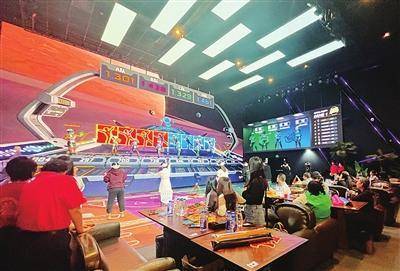
Core Insights - The transformation of cinemas into multi-functional spaces is driven by the need to adapt to changing consumer preferences and competition from online streaming services [3][4] - The emergence of "cinema+" concepts highlights a shift from traditional movie viewing to immersive and emotional experiences, catering to the desires of younger audiences [4][6] Group 1: Cinema Transformation - Yao Lai Cheng Long Cinema (Wukesong) has converted a 330 square meter hall into the "Mirra Magic Mirror Party" space, equipped with three 4K LED interactive screens and a multi-source motion capture system, allowing for flexible usage throughout the day [3][6] - The "time-slicing" operational model has increased space utilization by nearly 70%, enabling the venue to host various activities from corporate team-building to family interactions [3][6] - Star Dian Cinema (Weigongcun) has repurposed one-third of its area into a scene check-in zone, reading area, and theme display space, focusing on emotional connections and community engagement [4][6] Group 2: Consumer Experience Shift - The shift from functional consumption to emotional consumption is a key aspect of current consumer trends, with younger audiences valuing the emotional value of experiences over mere product purchases [4][5] - The integration of technology, such as virtual reality and motion capture, enhances the consumer experience and lowers barriers to participation in interactive activities [6][7] - Future cultural consumption spaces are expected to diversify, with a focus on community-specific needs and customized cultural services, moving away from standardization [6][7]