徒步文化

Search documents
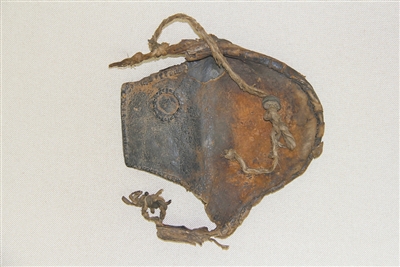
藏在马帮行囊里的生活智慧(文物里的潮生活)
Ren Min Ri Bao· 2026-01-28 00:56
Core Viewpoint - The article highlights the connection between the historical Tea Horse Road and the modern outdoor culture among young people in China, emphasizing the evolution of equipment and the enduring spirit of exploration and practicality [2][6]. Group 1: Historical Context - The Tea Horse Road originated from the tea-horse trade in ancient Southwest China, flourishing during the Tang and Song dynasties and reaching its peak in the Ming and Qing dynasties [2]. - The road was historically significant for the transportation of goods, with numerous muleteers creating a long path through rugged mountains, leaving behind traces of their journeys in the form of artifacts [2]. Group 2: Cultural Artifacts - The Yunnan Nationalities Museum houses hundreds of artifacts related to the muleteers, including saddles, cooking pots, and backpacks, which vividly recreate the travel experiences of the past [2]. - The "copper pot," known as the "core of the mobile kitchen," was crafted from local copper and served multiple cooking purposes, showcasing the ingenuity of the muleteers in adapting to their environment [3]. Group 3: Modern Outdoor Culture - The outdoor sports industry in China has been rapidly growing, with activities like mountain hiking and night camping becoming popular among young people, reflecting a lifestyle that values nature and freedom [6]. - Modern hiking gear has evolved, with items like waist bags and portable cooking equipment being designed for convenience and practicality, paralleling the historical designs used by muleteers [5][6].