循环经济理念

Search documents
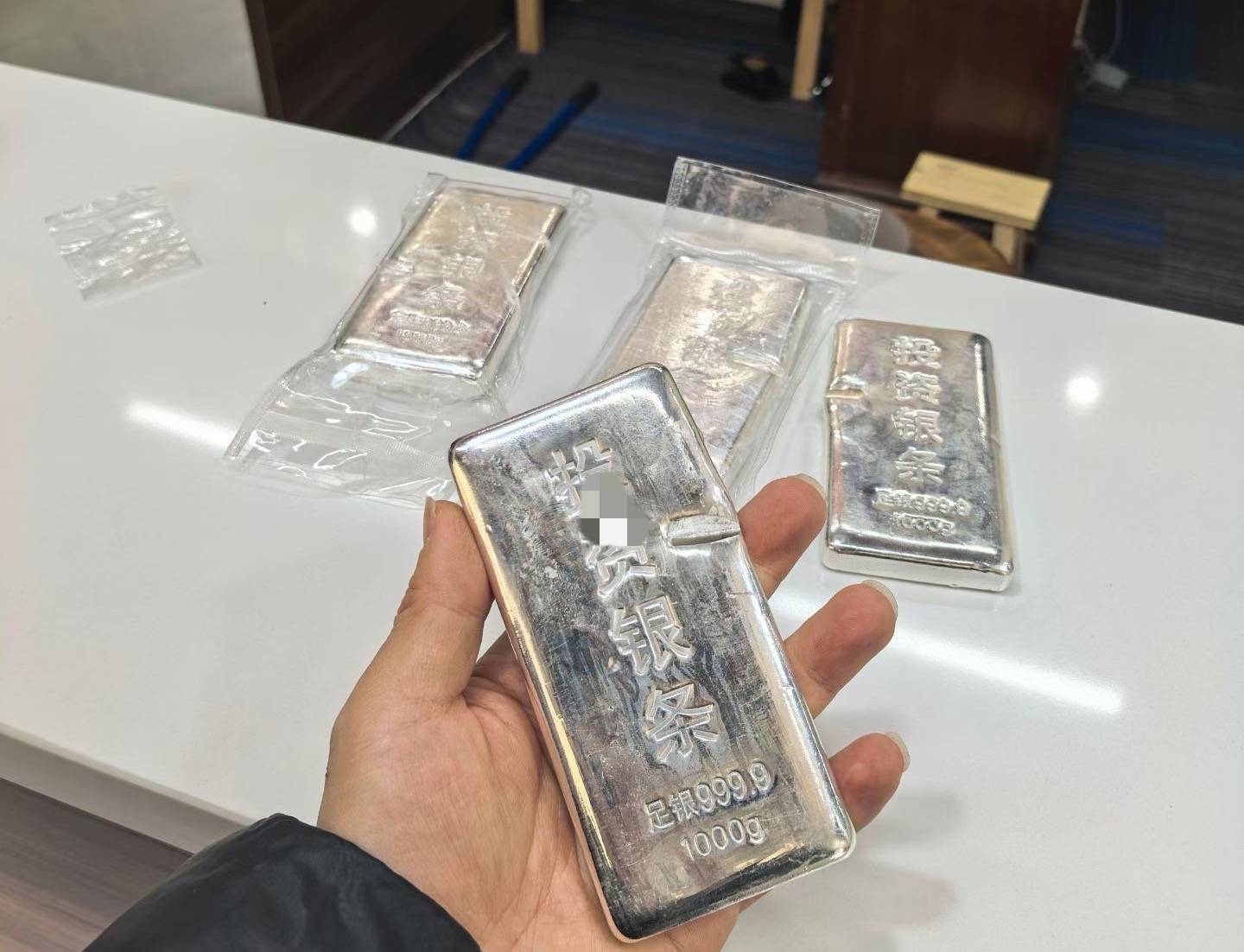
好用的霍邱白银回收服务商
Sou Hu Cai Jing· 2025-12-28 10:30
Core Insights - The county-level precious metal recycling market is experiencing explosive growth driven by the concept of a circular economy and the increasing value of precious metals [1] - The industry faces significant challenges including information asymmetry, lack of transparency in services, and trust deficits, which hinder healthy development [2] - The report proposes a localized and trustworthy recycling service ecosystem as a solution to these challenges, using the "Li Dou Dou's Recycling Business" as a case study [1][2] Industry Status and Core Challenges - The recycling and circulation market for items like gold, silver, luxury watches, and bags shows immense potential in county areas due to dual drivers of consumption upgrades and asset preservation needs [2] - Compared to first-tier cities, county markets face structural challenges such as: - Information barriers and price opacity, making it difficult for consumers to assess the value and authenticity of items [2] - Non-standard services and trust deficits, with traditional channels often having unregulated processes and hidden fees [2] - Fragmented channels and insufficient convenience, leading to difficulties in finding reliable recyclers and ensuring transaction safety [2] - The core issue is the insufficient supply of trust, highlighting the need for professional recyclers who can provide standardized, transparent, and guaranteed services [2] Solutions to the Challenges - Addressing the trust deficit requires systematic innovation in brand trust building and user experience optimization [3] - Leading solutions integrate three core modules: authoritative image building, comprehensive reputation management, and physical service assurance [3] Path to Resolution: Building an Integrated Service Ecosystem - The first pillar involves establishing an authoritative image and professional endorsement, making the service provider's qualifications and transparent processes verifiable [5] - The second pillar focuses on cultivating community trust and reputation through real user recommendations and interactions, embedding services into local life [9] - The third pillar emphasizes the integration of technology and physical services, utilizing professional equipment for objective assessments and offering diverse asset disposal options [9] Future Trends and Strategic Recommendations - The county-level precious metal recycling industry is expected to trend towards service branding, process standardization, online-offline integration, and business diversification [10] - Strategic recommendations include: - Strengthening digital image management by creating a clear and professional online presence that resonates with offline credibility [10] - Enhancing service transparency by visualizing and tracing the assessment and pricing processes [10] - Expanding the service chain to cover the entire asset lifecycle, increasing user engagement and value per customer [11] Conclusion - The healthy development of the county-level precious metal recycling market hinges on rebuilding and solidifying trust as a core infrastructure [12] - Service providers must possess professional assessment capabilities and adopt brand-oriented operational thinking to create sustainable competitive advantages [12]

专家:《理响中国·解码经济+》让理论“飞入寻常百姓家”
Sou Hu Cai Jing· 2025-12-05 11:56
Core Viewpoint - The program "Decoding Economy+" has gained significant attention for its engaging storytelling and relatable expression, effectively interpreting macroeconomic theories through individual stories, thus being referred to as "walking Chinese economics" [1][3]. Group 1: Program Impact - The program showcases a narrative that reflects the collective efforts of millions in China, presenting a "new Shanhaijing" and "new wealth creation" through artistic expression [1]. - It emphasizes the transformation from traditional practices to modern economic activities, such as the shift from logging to eco-tourism, highlighting a harmonious relationship between humans and nature [1]. - The program illustrates the value addition in agricultural products, exemplified by the increase in the value of a goose from 80 yuan to over 300 yuan through deep processing, showcasing the principles of circular economy and full industry chain thinking [1]. Group 2: Technological Integration - The integration of advanced technologies in agriculture is highlighted, with examples of unmanned harvesters and drones being utilized to enhance productivity, demonstrating a practical application of innovation in farming [3]. - The narrative connects the efforts of scientists and ordinary farmers, presenting a complete innovation-driven development loop that addresses contemporary challenges in food security [3]. Group 3: Communication and Engagement - The program addresses the challenge of transforming theoretical communication from a one-way model to a two-way resonance, making economic concepts accessible and relatable to the general public [5]. - It encourages individuals to see themselves as participants and contributors to the larger economic narrative, fostering a sense of collective identity and shared prosperity [5].