
急救误区

Search documents
别再只会掐人中 这些广泛流传的急救做法 可能延误病情
Yang Shi Xin Wen Ke Hu Duan· 2025-09-15 22:45
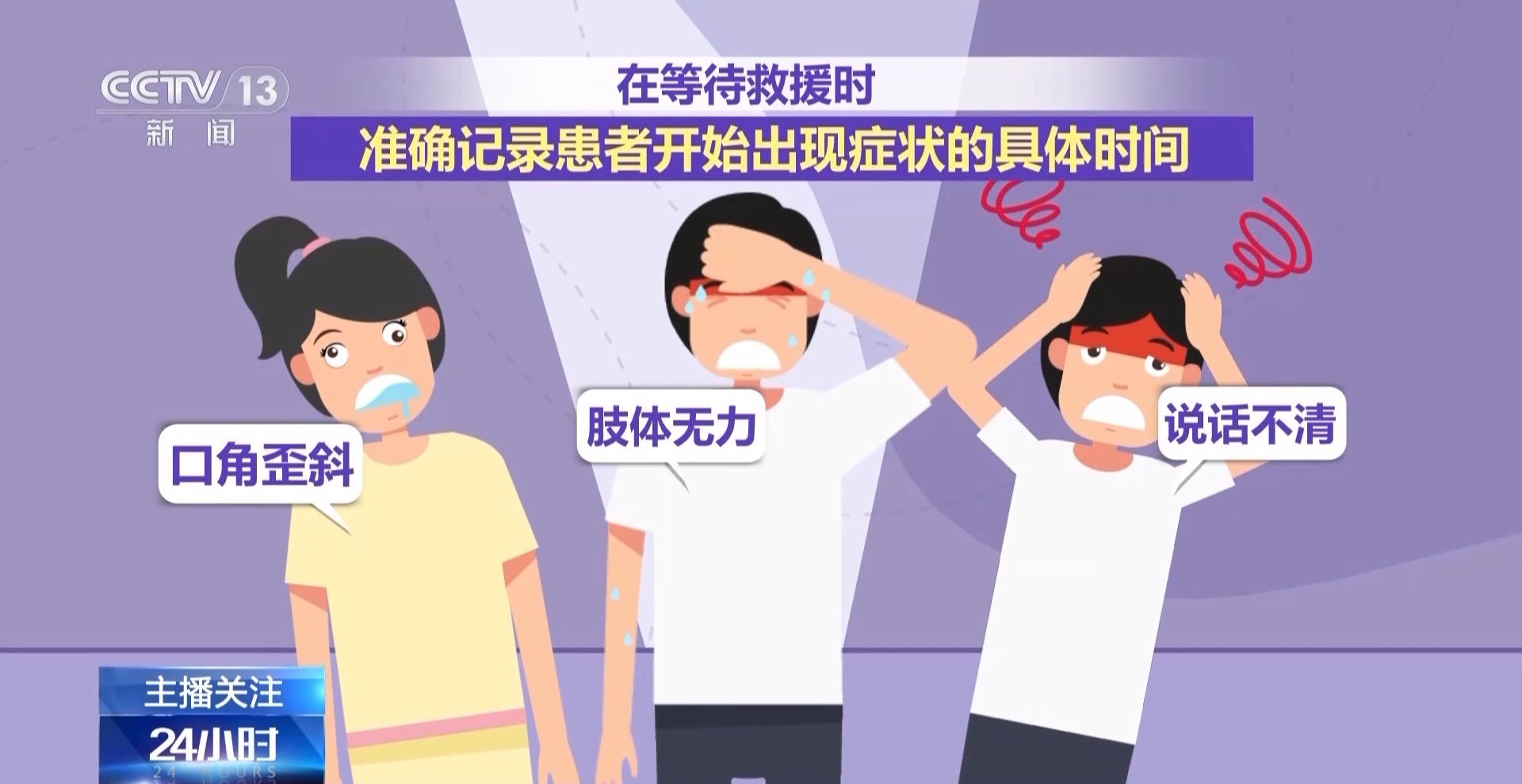
Core Viewpoint - The importance of first aid knowledge is emphasized as it can significantly impact survival rates during emergencies, especially when professional medical help is delayed [1][2]. Group 1: Emergency Statistics and Response - In China, there are approximately 550,000 cases of sudden cardiac death and over 13 million stroke patients annually, highlighting the critical need for timely intervention [1]. - Every minute of delay in rescue decreases survival rates by 10%, making immediate action essential [1]. - The average response time for ambulances in Beijing is around 10 minutes, which is often too long to ensure effective intervention within the critical 4-minute window [2]. Group 2: Home Response to Emergencies - In case of a sudden stroke or heart condition at home, the first step is to call emergency services, followed by appropriate actions to stabilize the patient [3]. - It is crucial to record the onset of symptoms accurately, as this information is vital for medical professionals to determine treatment options [5]. - Patients experiencing a heart condition should remain completely still and avoid any movement to prevent exacerbating their condition [9]. Group 3: Common Misconceptions in First Aid - Many widely accepted first aid methods are actually dangerous and can worsen the situation, such as placing objects in the mouth during a seizure, which can lead to injury or choking [10]. - The belief that coughing can alleviate a heart attack is incorrect; it can increase the heart's workload and worsen the condition [12][14][16]. - The practice of pinching the "Ren Zhong" point to revive an unconscious person is also misguided and can cause further harm [19].

这些急救误区 一定要避免!
Yang Shi Wang· 2025-09-13 22:12
Core Points - The article emphasizes the importance of proper first aid during emergencies and highlights common misconceptions about first aid methods that can lead to further harm [1] Group 1 - Many widely known first aid methods are actually dangerous misconceptions that can exacerbate injuries [1] - The article aims to educate readers on avoiding these "well-intentioned but harmful" practices [1]