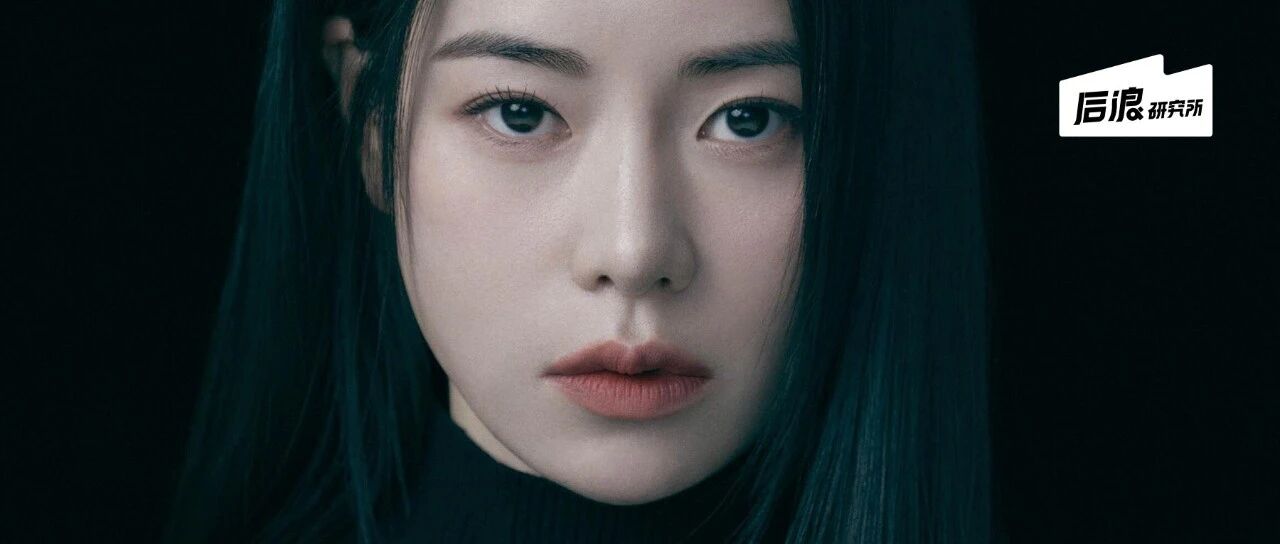
恶女形象

Search documents
为什么我们开始爱上「坏女人」?
后浪研究所· 2025-12-18 10:51
Core Viewpoint - The article discusses the evolution of the "evil woman" trope in Korean dramas, highlighting how these characters have become central to narratives, reflecting societal issues and audience desires for complex female protagonists [4][8][49]. Group 1: Evolution of "Evil Women" in Korean Dramas - The character Bai Yazhen from the drama "Dear X" represents a new generation of "evil women," using manipulation and revenge against those who wronged her [3][11]. - Recent Korean dramas like "The Penthouse," "Eve," and "Dark Glory" have established the "evil woman" as a crucial character type, often divided into two categories: pure evil women from affluent backgrounds and those who seek revenge after being bullied [4][6]. - The portrayal of "evil women" in Korean dramas often transcends gender stereotypes, allowing for a more neutral representation of their actions and motivations [7][8]. Group 2: Comparison with Chinese Dramas - In contrast, Chinese dramas tend to depict "evil women" in a more stereotypical and gentle manner, often focusing on romantic entanglements rather than complex revenge plots [6][34]. - The "evil women" in Chinese dramas are often secondary characters, lacking the depth and agency seen in their Korean counterparts, who are frequently the main protagonists [43][57]. - Recent Chinese characters, like Xu Yan in "Let Me Shine," are portrayed as ambitious but ultimately revert to traditional narratives of love and redemption, lacking the proactive nature of Korean "evil women" [35][37]. Group 3: Audience Reception and Societal Reflection - The rise of "evil women" reflects a broader audience desire for narratives that challenge traditional female roles, allowing women to be ambitious and morally complex [44][49]. - The "evil women" trope serves as a vehicle for viewers to explore themes of power, revenge, and societal injustice, resonating with audiences who may feel powerless in their own lives [56][57]. - The article suggests that the acceptance of "evil women" in narratives indicates a shift in societal views on female ambition and morality, pushing against the constraints of traditional gender roles [48][50].