《亲爱的X》

Search documents
为什么我们开始爱上「坏女人」?
后浪研究所· 2025-12-18 10:51
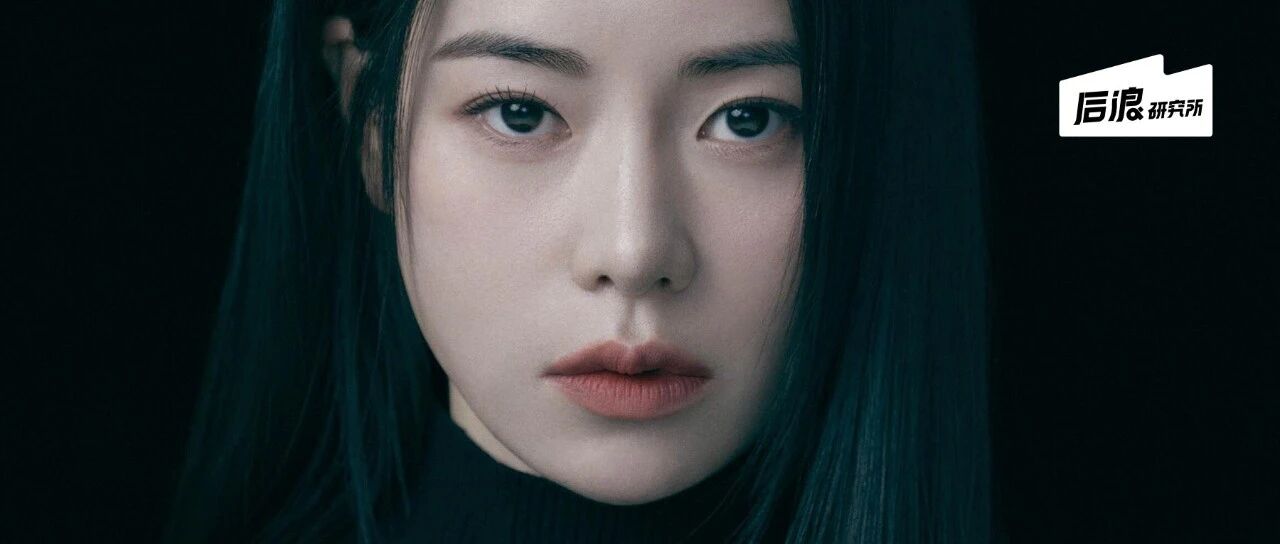
Core Viewpoint - The article discusses the evolution of the "evil woman" trope in Korean dramas, highlighting how these characters have become central to narratives, reflecting societal issues and audience desires for complex female protagonists [4][8][49]. Group 1: Evolution of "Evil Women" in Korean Dramas - The character Bai Yazhen from the drama "Dear X" represents a new generation of "evil women," using manipulation and revenge against those who wronged her [3][11]. - Recent Korean dramas like "The Penthouse," "Eve," and "Dark Glory" have established the "evil woman" as a crucial character type, often divided into two categories: pure evil women from affluent backgrounds and those who seek revenge after being bullied [4][6]. - The portrayal of "evil women" in Korean dramas often transcends gender stereotypes, allowing for a more neutral representation of their actions and motivations [7][8]. Group 2: Comparison with Chinese Dramas - In contrast, Chinese dramas tend to depict "evil women" in a more stereotypical and gentle manner, often focusing on romantic entanglements rather than complex revenge plots [6][34]. - The "evil women" in Chinese dramas are often secondary characters, lacking the depth and agency seen in their Korean counterparts, who are frequently the main protagonists [43][57]. - Recent Chinese characters, like Xu Yan in "Let Me Shine," are portrayed as ambitious but ultimately revert to traditional narratives of love and redemption, lacking the proactive nature of Korean "evil women" [35][37]. Group 3: Audience Reception and Societal Reflection - The rise of "evil women" reflects a broader audience desire for narratives that challenge traditional female roles, allowing women to be ambitious and morally complex [44][49]. - The "evil women" trope serves as a vehicle for viewers to explore themes of power, revenge, and societal injustice, resonating with audiences who may feel powerless in their own lives [56][57]. - The article suggests that the acceptance of "evil women" in narratives indicates a shift in societal views on female ambition and morality, pushing against the constraints of traditional gender roles [48][50].

又一部恶女复仇的韩剧火了
第一财经· 2025-12-14 11:45
Core Viewpoint - The article discusses the rise of the "evil woman" trope in Korean dramas, particularly focusing on the new series "Dear X," which portrays the complex journey of a character shaped by trauma and revenge [5][10][12]. Group 1: Overview of "Dear X" - "Dear X" features the character Bai Yazhen, played by Kim Yoo-jung, who presents a stark contrast between her innocent appearance and her ruthless personality, showcasing her climb to the top of the entertainment industry [5][6]. - The series is based on a popular webtoon and directed by Lee Eung-bok, known for successful dramas, marking Tving's first major global entry [5][6]. - Following its release, "Dear X" quickly gained popularity, topping new paid user contributions for five consecutive weeks and ranking high on global OTT platforms [5][6]. Group 2: Character Analysis - Bai Yazhen is depicted as a product of severe childhood trauma, leading to her development of antisocial personality traits, where she uses her charm to manipulate others for her gain [6][7]. - Kim Yoo-jung's performance has been praised for capturing the character's duality, portraying her as both innocent and malevolent [7][8]. - The character's journey reflects a broader commentary on the impact of familial abuse and societal neglect, challenging traditional moral narratives [12]. Group 3: Trends in Korean Dramas - The article notes a growing trend in Korean dramas to explore themes of revenge and the complexities of female characters, as seen in other successful series like "The Glory" and "Pandora: The Manipulated Paradise" [10][11]. - These narratives often highlight the struggles of women against societal oppression and personal trauma, resonating with contemporary audiences [10][12]. - The portrayal of "evil women" serves as a vehicle for exploring deeper societal issues, although it risks falling into clichés if not handled with nuance [12].

又一部恶女复仇的韩剧火了
Di Yi Cai Jing· 2025-12-14 10:52
Core Viewpoint - "Dear X" is a significant entry for the South Korean streaming platform Tving as it marks its first foray into the global market, showcasing a dark narrative that explores the rise of a female character shaped by trauma and revenge [4][5]. Group 1: Overview of "Dear X" - "Dear X" is based on a popular webtoon and directed by Lee Eung-bok, known for his work on hit dramas, which has contributed to its initial success [4]. - The series has topped new paid user contributions for five consecutive weeks and ranks highly among global OTT platforms, indicating strong viewer engagement [4]. - The protagonist, Baek Ah-jin, portrayed by Kim Yoo-jung, presents a stark contrast between her innocent appearance and her ruthless ambition, embodying the "evil woman" trope prevalent in recent Korean dramas [3][5]. Group 2: Themes and Character Analysis - The character Baek Ah-jin is depicted as having a complex psychological profile, shaped by childhood trauma and abuse, leading to her development of an antisocial personality [5][7]. - The narrative draws parallels with other works, such as Higashino Keigo's "Byakuyako," emphasizing the dark aspects of human nature and the consequences of a traumatic upbringing [5]. - Kim Yoo-jung's performance has been critically acclaimed for capturing the duality of her character, showcasing both innocence and malice [7][8]. Group 3: Trends in Korean Dramas - The rise of "evil woman" narratives in Korean dramas reflects a shift in storytelling, moving away from traditional "good female lead" archetypes to more complex characters driven by revenge and personal growth [11]. - Recent successful dramas like "The Glory" have set a precedent for this genre, highlighting societal issues such as bullying and the struggles of women in patriarchal settings [9][10]. - The portrayal of female characters with traumatic backgrounds challenges conventional moral narratives, inviting viewers to empathize with their journeys while questioning societal norms [11][12].