情境学习

Search documents
如何让你的数据为人工智能做好准备
3 6 Ke· 2025-11-11 01:29
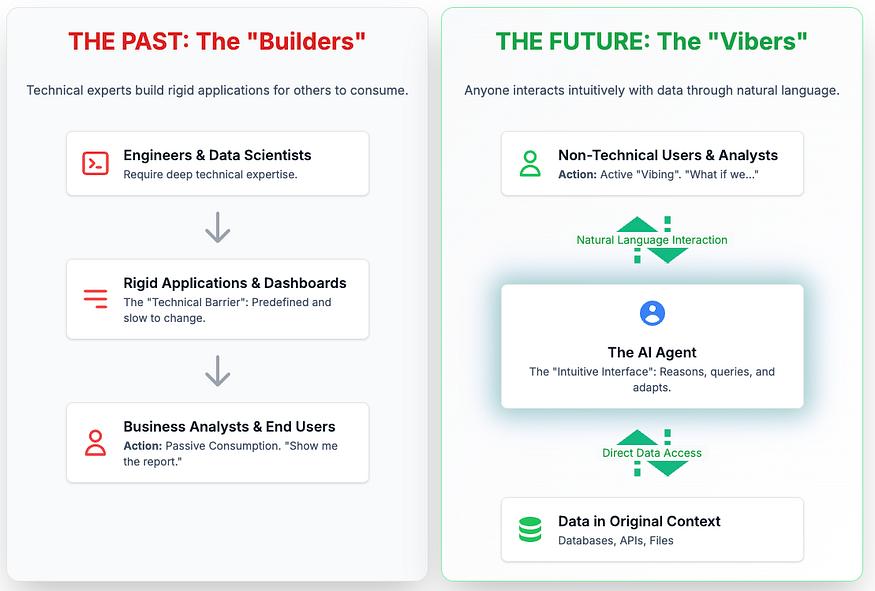
Core Insights - The emergence of agent-based AI is fundamentally transforming the big data paradigm, requiring a proactive approach to data integration into specialized intelligent computing platforms rather than the traditional reactive methods [1] - This shift is leading to a re-evaluation of data modeling and storage, as modern AI can leverage significantly smaller datasets compared to traditional machine learning [1] Group 1: Changes in Data Interaction - The way data is utilized is evolving, with non-technical users increasingly interacting directly with data through AI agents, moving from a builder-centric to an interactor-centric model [2][4] - Existing SaaS applications are integrating natural language interactions more seamlessly, allowing users to create applications based on their needs [4][6] Group 2: Data Engineering Principles - Data engineers must rethink ETL/ELT processes, focusing on context rather than strict normalization, as AI agents can interpret data without extensive preprocessing [7][9] - The importance of data organization is emphasized over mere data collection, as quality examples for context-based learning are more valuable than large quantities of data [10][12] Group 3: Infrastructure and Management - AI agents require infrastructure that supports both data perception and action, necessitating clear interfaces and documentation for effective tool usage [15][17] - The management of AI-generated artifacts is crucial, as these outputs become part of the data ecosystem and must adhere to industry standards and regulations [20][21] Group 4: Observability and Training - Establishing a feedback loop between observability and training is essential for enhancing AI agent performance, requiring a platform to monitor data quality and model performance [22][24] - Data engineers' roles are evolving to include maintaining decision logs and managing agent-generated code as versioned artifacts for future analysis and training [26][29]

用AI破局情境化学习,瓦拉英语发力在线英语教育
3 6 Ke· 2025-08-02 12:58
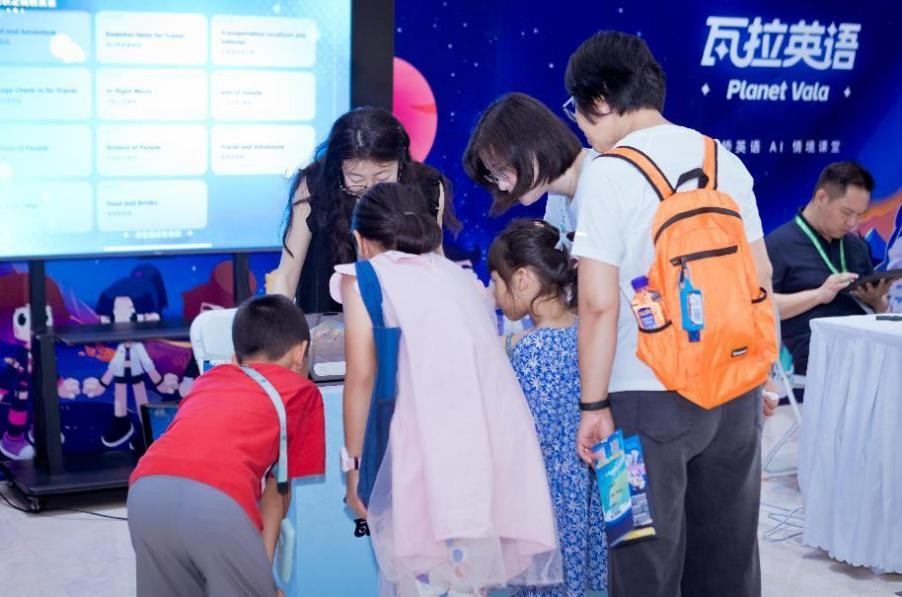
Core Insights - The emergence of AI technology is transforming the education sector, particularly in English language learning, by enabling companies to create immersive and interactive learning experiences [1][4][11] Group 1: Company Overview - Vala English, launched by Vala Planet in 2023, utilizes AI large model technology combined with situational learning methods to enhance English learning for children aged 6-12 [1][4] - The company secured $12 million in angel funding from investors including Northern Light Venture Capital, Shunwei Capital, and TAL Education [1][4] Group 2: Product Features - Vala English generates hundreds of realistic scenarios using AI, such as airports and supermarkets, allowing students to engage in practical conversations rather than rote memorization [3][4] - The platform employs a task-driven learning approach, where students assume roles in various scenarios, significantly increasing their interest and motivation to learn [6][10] Group 3: Learning Methodology - The core of Vala English's approach is situational learning, where students interact with AI characters to solve problems, thereby improving their listening, speaking, reading, and writing skills [7][10] - The product includes a free trial of the first unit, with subsequent units available for purchase, and is set to officially launch in September [6][10] Group 4: Technological Innovations - Vala English leverages AI for both pre-training and post-training, allowing for personalized learning experiences based on student feedback [5][8] - The platform features dynamic NPCs that provide context-aware responses, enhancing the realism of conversations and reducing robotic interactions [8][10] Group 5: Market Positioning - Vala English aligns with new educational standards that emphasize situational learning, addressing the gap between traditional teaching methods and current educational needs [11] - The curriculum is designed to meet the Cambridge English standards, ensuring relevance to Chinese students' learning habits and cognitive levels [10][11]