我找到你

Search documents
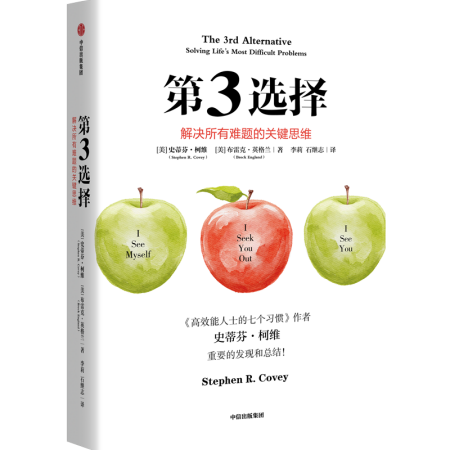
四步协同法:化解职场矛盾的 “第3选择”
Feng Huang Wang Cai Jing· 2025-08-08 09:16
Group 1 - The core concept of "Third Choice" is to move beyond the win-lose mentality in conflict resolution, focusing on creating a solution that benefits both parties [3][7][25] - "Third Choice" encourages collaboration rather than compromise or confrontation, aiming for a solution that provides emotional rewards for employees while generating significant value for the company [4][10][16] - The approach emphasizes the importance of redefining success criteria that both parties can agree upon, ensuring that the resolution aligns with the goals of both the employee and the organization [12][14] Group 2 - The "Four Steps to Collaboration" framework includes inviting the other party to explore the "Third Choice," defining mutually accepted success standards, brainstorming creative solutions, and confirming the collaborative decision [8][10][11][14] - The first step involves breaking the deadlock by signaling a willingness to cooperate and explore better options together [10] - The second step requires both parties to clarify what constitutes a win-win outcome, ensuring that all voices are heard in the process [12][13] Group 3 - The third step focuses on generating creative ideas without limitations, encouraging an open-minded brainstorming session to find innovative solutions [13][14] - The final step is to confirm the collaborative solution that excites both parties, ensuring it meets the previously defined success criteria [14] - The "Third Choice" approach is supported by three core mindsets: self-awareness, respect for the other party's value, and embracing differences as a starting point for collaboration [16][18][20] Group 4 - The article warns against the "GET Trap," which hinders collaboration due to personal gain, emotional insecurity, and territoriality [20][21] - Overcoming the "GET Trap" involves recognizing that collaborative gains outweigh individual benefits, fostering a mindset of humility and cooperation [20][21] - The essence of workplace conflict is not about who is right or wrong, but about whether parties can work together towards a common goal [21][25]